










Minister of State for Microfinance Shartsi Kutesa Musherure has called for stronger regulation of digital lending platforms to protect borrowers from exploitative practices as financial inclusion continues to expand in Uganda.
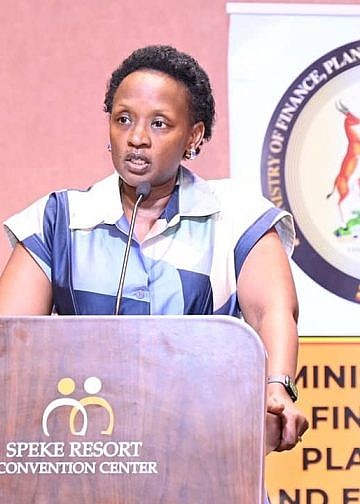
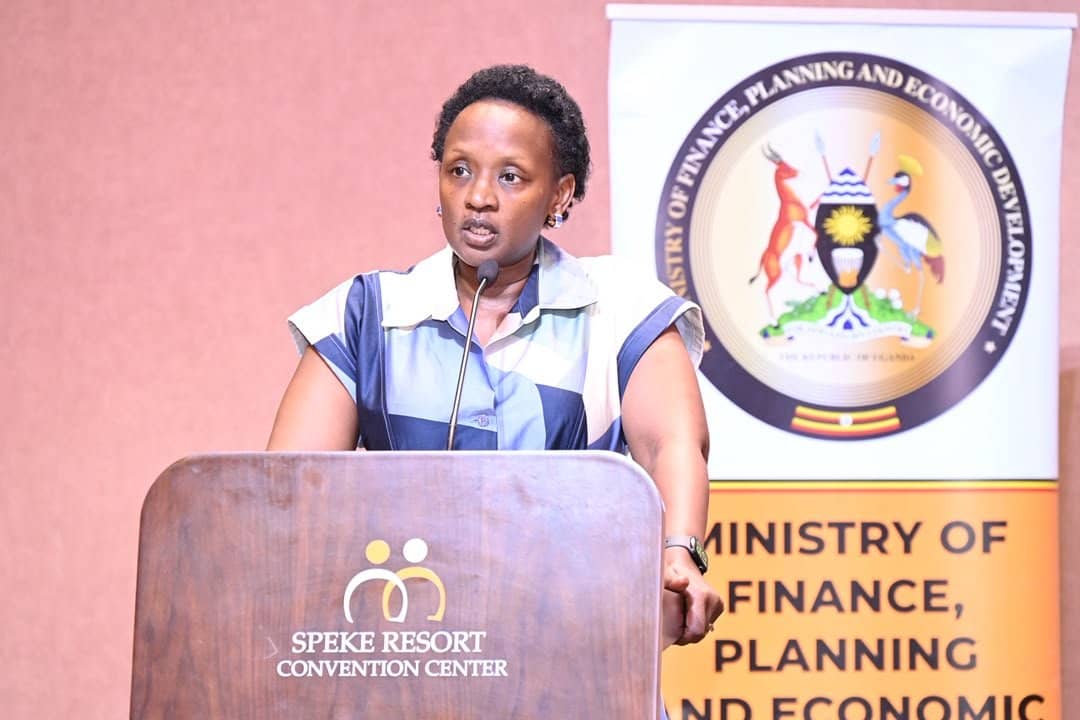
Kutesa made the call during a two-day retreat involving the Ministry of Finance, Planning and Economic Development and Parliament’s Committees on Finance, Planning and Economic Development, National Economy and National Budget at Speke Resort Munyonyo.
She said the rapid growth of digital lending presents both an opportunity and a responsibility for the Government and regulators to ensure that increased access to finance does not expose borrowers to abuse.
“We must strengthen supervision, improve SACCO governance, protect borrowers from exploitative lending practices and close gaps in the regulation of digital lending platforms,” Kutesa said.
She noted that Uganda’s financial inclusion rate increased from 70% in 2009 to 81% in 2023, with the Second National Financial Inclusion Strategy targeting 85% by 2028.
According to Kutesa, the growth has been driven significantly by mobile money, SACCOs and Village Savings and Loan Associations (VSLAs). However, she stressed that greater access to financial services must be accompanied by responsible lending, strong governance and effective consumer protection.
“Increased access must go hand in hand with responsible lending, strong governance, consumer protection and effective regulation—especially as digital lending continues to expand,” she said.
Kutesa said the expansion of Uganda’s Tier IV microfinance sector requires stronger oversight, particularly as more Ugandans turn to digital platforms and other informal and semi-formal sources of credit.
She said addressing these challenges would require both legislative and budgetary support to strengthen supervision and close existing regulatory gaps.
Kutesa also highlighted Government programmes such as the Parish Development Model (PDM) and Emyooga, saying they continue to expand access to affordable finance and economic opportunities for millions of Ugandans.
She, however, called for greater emphasis on sustainability, monitoring and loan recovery to ensure that such interventions translate into lasting economic transformation.
“These priorities require both legislative and budgetary support,” Kutesa said.
She said the retreat provided an opportunity for Parliament, the Ministry and technical teams to develop a shared understanding of their respective mandates ahead of the upcoming budgeting cycle.
“Strong institutions work best when they communicate, coordinate and hold one another accountable,” she said.