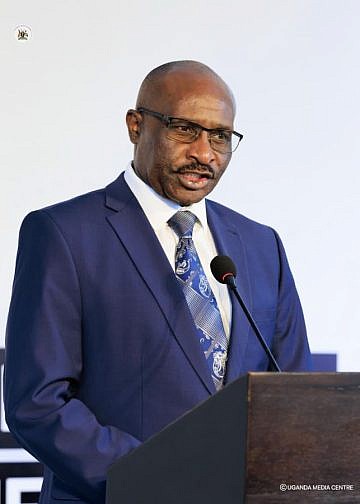










Uganda’s High Commissioner to Tanzania, Amb. Col. (Rtd) Fred Mwesigye, has called for stronger cross-border partnerships among mining companies in East Africa, saying small-scale operators can attract more capital, technology and expertise by working together.
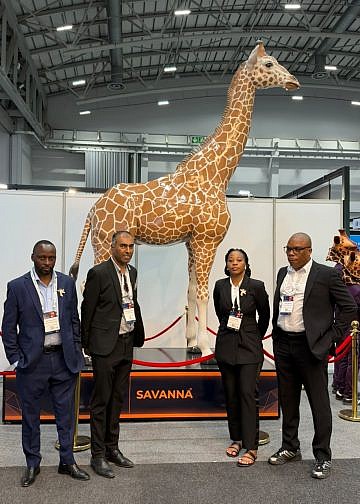
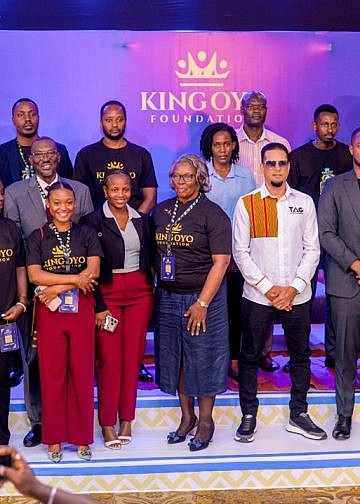
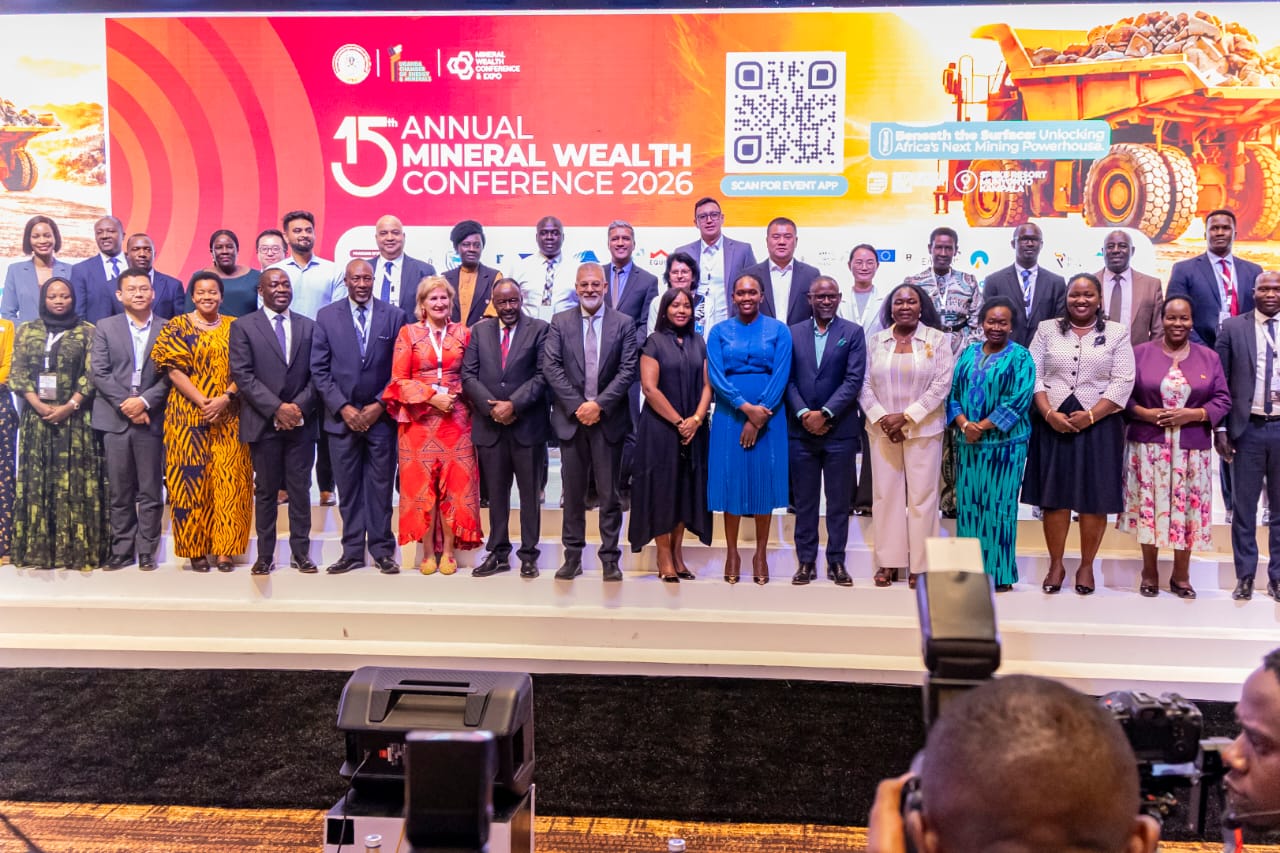
Mwesigye made the call during the 15th Annual Mineral Wealth Conference and Expo held at Speke Resort Munyonyo in Kampala, where the Uganda High Commission in Dar es Salaam facilitated the participation of 18 Tanzanian mining companies and organisations.
The two-day conference, held from September 29 to 30, was organised by the Uganda Chamber of Energy and Minerals and the Ministry of Energy and Mineral Development under the theme, “Unlocking Africa’s Next Mining Powerhouse.”
Mwesigye said the participation of Tanzanian mining companies was intended to create opportunities for investors and industry players from the two countries to develop joint ventures and share expertise.
“Our primary objective is to create a platform where African practitioners in the industry of mining come together and discuss and maybe create joint partnerships,” Mwesigye said.
“When they are together they are stronger. But when we operate individually we are weaker.”
He said partnerships could help small and medium-scale mining operators overcome challenges related to access to finance, skills, technology and markets.
“Through partnerships they become stronger and can then attract resources to add value, to increase their capacity in mining. Individually nobody looks at them. But when they are together people will be attracted to look at them,” he said.
The Tanzanian delegation included representatives from the Tanzania Chamber of Mines, AngloGold Ashanti Tanzania, Shanta Mining Co. Ltd, Tembo Nickel Corporation, Faru Graphite Corporation, Buckreef Gold, Williamson Diamonds, Kabanga Nickel Project and Ngualla Project, among others.
Mwesigye said participants were particularly interested in partnerships that could strengthen their operations rather than pursuing investments in isolation.
The conference also brought together Ugandan diplomats serving in Africa, Europe, Asia and the Americas as part of the Ministry of Foreign Affairs’ economic and commercial diplomacy programme.
The delegation was led by Amb. Richard Kabonero, head of regional economic cooperation and economic and commercial diplomacy.
Other diplomatic missions represented included Uganda’s embassy in Brussels, led by Amb. Mirjam Blaak; the embassy in Moscow, represented by Amb. Moses Kizige; the embassy in Havana, represented by Amb. Musazi; the embassy in Ankara, Türkiye; and Uganda’s High Commission in New Delhi, represented by Prof. Joyce Kikafunda.
The participation of the missions was aimed at linking Uganda’s diplomatic network to investment promotion and economic transformation.
Humphrey Asiimwe, chief executive officer of the Uganda Chamber of Energy and Minerals, said the Ministry of Foreign Affairs had supported efforts to attract international investors through Uganda’s diplomatic missions.
He said the conference attracted more than 1,000 delegates from 30 countries, with 81 companies exhibiting.
Mineral value addition was a major focus of the conference, with government officials urging investors to establish processing and refining facilities in Uganda rather than exporting unprocessed minerals.
Sidronius Opolot Okaasai, Minister of State for Energy, said the government had taken steps to discourage the export of unprocessed minerals and promote domestic processing.
“Process it, refine it, add value to it, and the money is there,” Okaasai said.
Okaasai, who represented the Minister of Energy and Mineral Development, Dr Monica Musenero, said the government was developing a minerals subsector structure comprising a policy function within the ministry, a standalone regulator and a national mining company.
He said government also planned to increase investment in exploration for critical minerals, including phosphate and rare earth elements.
Asiimwe said the Fourth National Development Plan places emphasis on mineral value addition.
He cited the Wagagai gold mine in eastern Uganda, saying the mine had started operations since the previous mineral wealth conference and was producing about 1.5 tonnes of highly refined gold annually.
The European Union Ambassador to Uganda, Jan Sadek, said the EU would have mobilised more than €25 million in grants for the mining sector once ongoing and planned projects were taken into account.
He said the EU supported Uganda’s efforts to increase domestic processing of minerals.
Mwesigye said Uganda could learn from Tanzania’s experience in organising and supporting small-scale miners.
He said the Uganda High Commission had previously facilitated visits by Ugandan small and medium-scale miners to Tanzania, including Geita, to learn from Tanzanian counterparts.
According to Mwesigye, Tanzania has developed systems for licensing and organising small-scale miners and connecting them to mineral markets.
“They license them, they organise them and create a market for their minerals,” he said.
He said the visits were conducted in collaboration with the Uganda Chamber of Energy and Minerals, which subsequently works with Ugandan miners on licensing, organisation and value addition.
Mwesigye acknowledged that tariff and non-tariff barriers continue to affect trade between Uganda and Tanzania.
“Definitely they are there,” he said.
He said the High Commission identifies such barriers through engagements with businesses and other stakeholders before pursuing solutions through the appropriate legal and diplomatic channels.
Mwesigye also said continued interaction between Ugandan and Tanzanian business communities was helping to address concerns that had previously hindered closer economic cooperation.
“We keep telling Tanzanians that we are actually real brothers, and they should open up like we have opened up,” he said.
The focus on mining comes against the backdrop of strong trade ties between Uganda and Tanzania, with gold and other minerals accounting for a significant share of bilateral trade.
Mwesigye said bilateral trade reached about $2.23 billion in 2024, up from approximately $1.36 billion in 2023. He said Uganda exported goods worth about $185 million to Tanzania while imports from Tanzania stood at about $2 billion.
Uganda Revenue Authority data for the 2024/25 financial year showed Tanzania accounted for Shs12.46 trillion, or 21.94 per cent, of Uganda’s total imports, making it Uganda’s largest single source of imports during the period.
Adam Mugume, Research Director at the Bank of Uganda, has attributed much of the increase in imports from Tanzania to gold and other precious minerals, alongside other products such as rice.
Uganda’s trade deficit with Tanzania was also the largest among its East African Community trading partners in the second quarter of the 2024/25 financial year, according to figures published by the Ministry of Finance.
Economic and diplomatic engagement between Kampala and Dar es Salaam has intensified, with President Yoweri Museveni visiting Tanzania twice in 2026 for talks with President Samia Suluhu Hassan.
The two countries are pursuing cooperation in areas including energy, transport and infrastructure.
Projects under discussion include the East African Crude Oil Pipeline, a proposed natural gas pipeline from Tanzania to Uganda, a refined petroleum products pipeline to Tanga, port expansion and railway development.
Mwesigye said stronger economic ties should also translate into opportunities for Ugandan businesses and manufacturers.
Mwesigye also highlighted opportunities for Uganda’s Kiira Motors Corporation in the Tanzanian and wider regional markets.
He said he recently visited the state-owned vehicle manufacturer in Jinja and found that the company had developed the capacity to produce buses but was currently manufacturing according to market demand.
He said markets had opened up in Tanzania, Zambia, Mozambique and Malawi, with different countries requiring different specifications.
Mwesigye said many of the potential buyers were interested in electric buses.
“I have appealed to the government, the minister of finance, that they should not leave that giant lying idle. They should put in money in order to compete with the Chinese producers, because the China government puts funds in these companies,” he said.
In November 2025, Kiira Motors showcased its Kayoola E-Coach in Tanzania as part of an electric mobility expedition from Kampala to Cape Town.
Mwesigye, a retired colonel and former Member of Parliament for Nyabushozi County, has served as Uganda’s High Commissioner to Tanzania since December 2021. He is also accredited to Zambia, Mozambique, Malawi, Comoros and Mauritius.
The push for greater cooperation in mining comes as Uganda seeks to increase mineral exploration, domestic processing and value addition while strengthening economic ties with neighbouring countries.