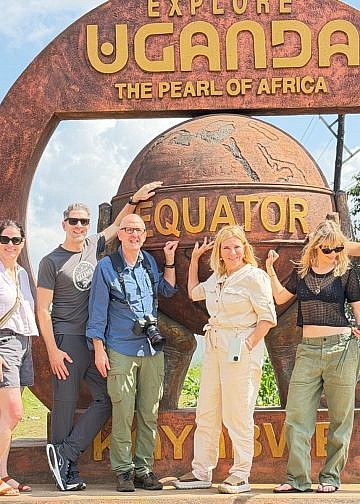










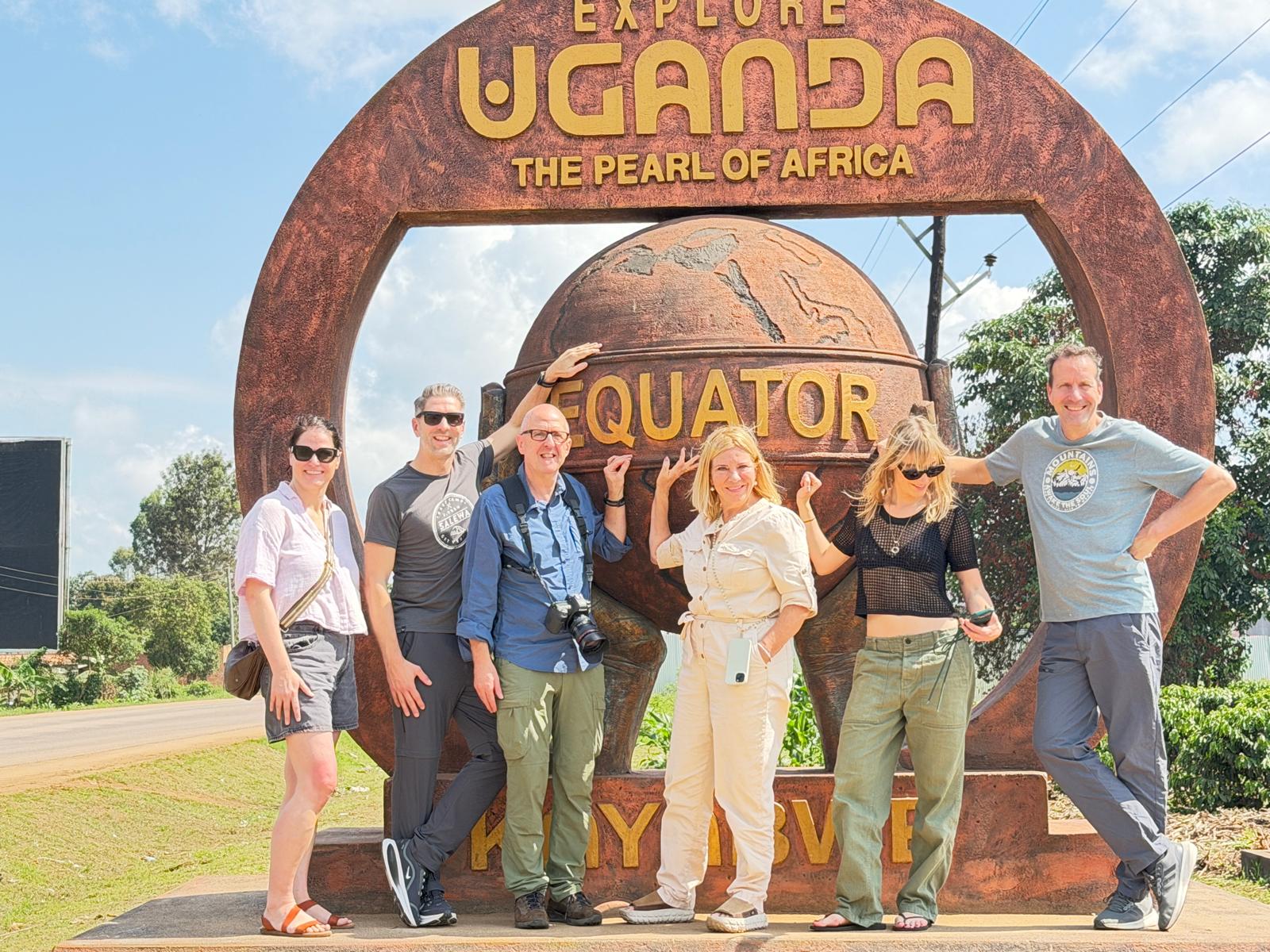
Uganda is stepping up efforts to attract more European tourists through international media engagement, with five journalists from Belgium and the Netherlands visiting the country to experience its wildlife, cultural heritage and tourism attractions.
The journalists are part of an eight-day familiarisation tour organised by the Embassy of Uganda in Brussels in partnership with the Uganda Tourism Board (UTB) and the Uganda Wildlife Authority (UWA). The visit runs until December 1.
The delegation’s itinerary includes mountain gorilla trekking in Bwindi Impenetrable National Park, a boat cruise along the Kazinga Channel in Queen Elizabeth National Park and a visit to Lake Mburo National Park.
The initiative is intended to increase Uganda’s visibility in the Benelux market, which comprises Belgium, the Netherlands and Luxembourg, and position the country as a competitive destination for international travellers.
In a statement, the Ugandan Embassy in Brussels said the country remained relatively unknown as a holiday destination in the Benelux region, with much of the information available to potential travellers being limited or outdated.
The visit is part of Uganda’s Economic and Commercial Diplomacy Strategy, which requires diplomatic missions to actively promote the country’s tourism, exports and investment opportunities in their respective areas of operation.
The strategy, which runs until the 2029/2030 financial year, seeks to increase tourist arrivals from key source markets by 20 per cent within five years.
It also builds on an earlier pilot programme involving eight Ugandan diplomatic missions, under which tourist arrivals from China reportedly increased from 100 in 2018 to more than 1,500 in 2023.
The government has also linked diplomatic missions’ performance to resource allocation, with embassies informed in April that their funding for the 2026/2027 financial year would be guided by evidence-based assessments of their performance.
Earlier this year, Uganda’s Mission to the European Union, working with the Uganda Tourism Board, conducted tourism roadshows in Belgium, the Netherlands and Luxembourg to promote the country’s tourism potential.
The wider economic diplomacy initiative is intended to support Uganda’s Tenfold Growth Strategy, which seeks to expand the economy from approximately $50 billion in 2023/2024 to $500 billion by 2040.
Tourism is among the priority sectors identified to drive this growth, alongside agro-industrialisation, minerals, and science, technology and innovation.
According to the United Nations Development Programme, tourism is expected to contribute approximately $50 billion to Uganda’s economy by 2040.
European market offers higher tourism spending potential
Uganda’s tourism sector recorded growth in international arrivals and earnings in 2025, reinforcing the government’s efforts to attract visitors from high-value source markets.
Figures from the Ministry of Tourism, Wildlife and Antiquities indicate that international arrivals increased to 1.642 million in 2025, compared with 1.371 million in 2024.
Tourism earnings also rose from Shs4.8 trillion in 2024 to Shs5.83 trillion, equivalent to approximately $1.62 billion, in 2025.
Although European visitors accounted for a relatively small proportion of international arrivals, their spending levels were significantly higher than those of visitors from Africa.
Europe contributed 7.1 per cent of international arrivals in 2025, while European visitors spent an average of approximately $235 per person per night, compared with $80 for African visitors, according to ministry figures reported by the Daily Monitor.
The embassy believes that greater exposure in European media could help Uganda reach travellers with the purchasing power and interest to undertake long-haul holidays, including gorilla trekking and wildlife safaris.
The delegation comprises Johan Lambrechts, chief tourism editor of Het Laatste Nieuws; Sandra Rosseel, editor-in-chief of De Zondag; Anneliese Bergman, editor-in-chief of Plus Magazine; Corno Van den Berg, editor-in-chief of Droomplekken.nl; and Alina Churikova, a travel content creator associated with the Benny Holiday podcast.
According to the embassy, Het Laatste Nieuws reaches more than one million readers daily, while De Zondag distributes approximately 1.3 million copies every Sunday.
Plus Magazine has an estimated readership of one million across its Belgian and Dutch editions.
The embassy said the visit had secured commitments for editorial coverage in Het Laatste Nieuws and De Zondag in April, and Plus Magazine in May.
The media engagement is intended to generate editorial exposure for Uganda among European audiences, particularly those interested in wildlife, adventure and long-haul travel.
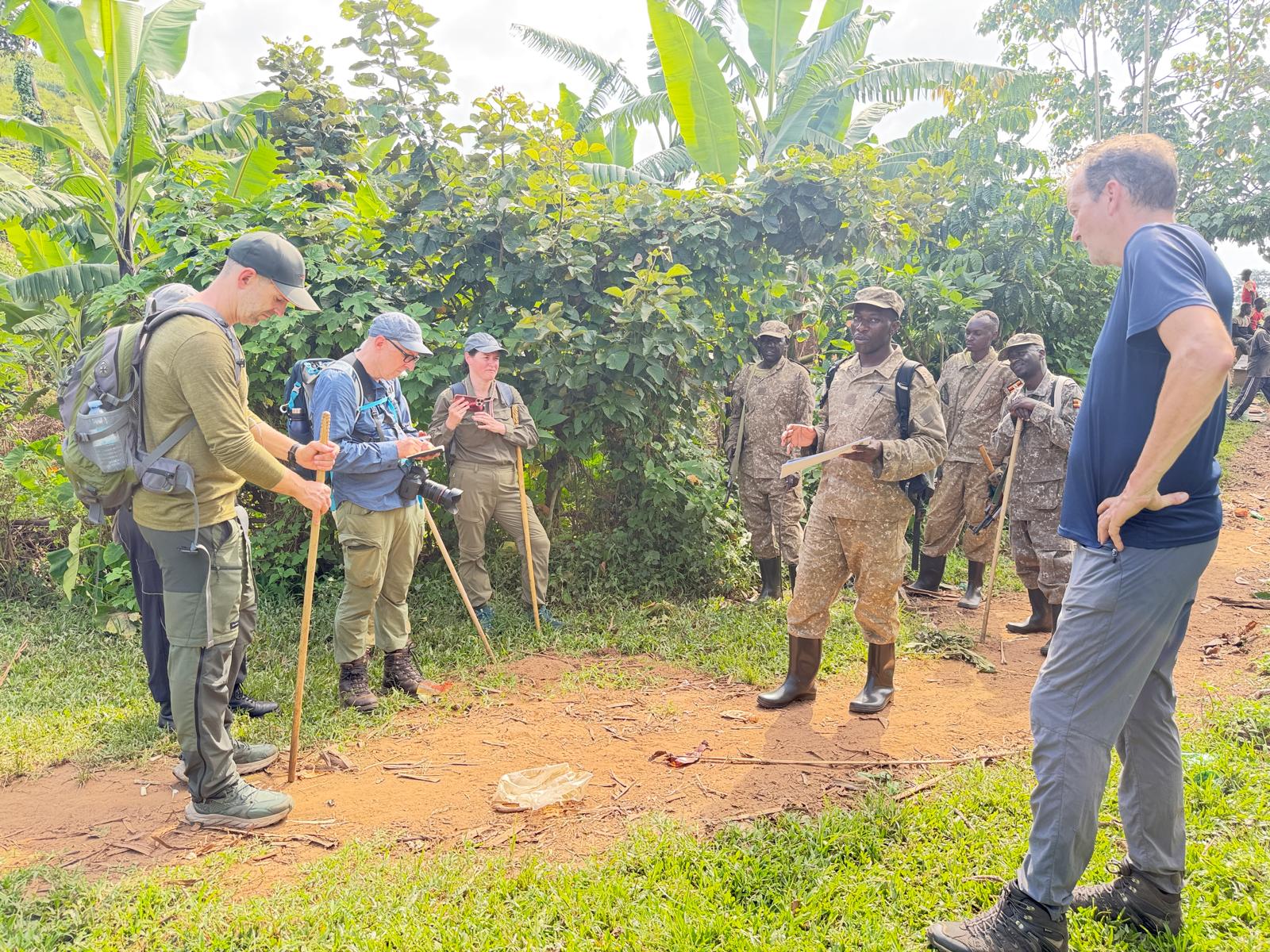
A major highlight of the visit was the delegation’s gorilla trekking experience in Bwindi Impenetrable National Park, where the journalists tracked the Hanyabinja mountain gorilla family, one of the park’s habituated groups.
Their lead guide was a member of the Batwa community, whose people traditionally lived in the forest before it was gazetted as a national park in 1991.
The embassy said it would allow the journalists to share their personal experiences of the encounter through their respective publications rather than pre-empting their accounts.
On Friday, the delegation visited a Batwa community to learn about the people’s cultural heritage and involvement in tourism.
According to the embassy, members of the community participate in the tourism sector as porters along gorilla trekking trails and cultural performers for visitors.
The journalists later travelled to Queen Elizabeth National Park, where they undertook a boat cruise along the Kazinga Channel, known for its wildlife and concentration of hippos and other aquatic animals.
The itinerary also includes a visit to Lake Mburo National Park before the delegation returns home on December 1.
The Embassy of Uganda in Brussels said it expected editorial coverage by influential journalists to deliver lasting benefits by reaching potential travellers who are actively considering international holidays.
It argued that media coverage in publications with established readerships could offer Uganda greater value than conventional advertising by providing prospective visitors with firsthand accounts of the country’s attractions.
The government hopes that the exposure will translate into increased interest in Uganda, more bookings for gorilla trekking permits, accommodation facilities and domestic flights, ultimately contributing to higher tourism arrivals and foreign exchange earnings.