




the Minister for Lands, Housing and Urban Development, Judith Nabakooba, has called on churches and religious institutions in Uganda to prioritise surveying and formally registering their land to prevent disputes, encroachment, and loss of property.
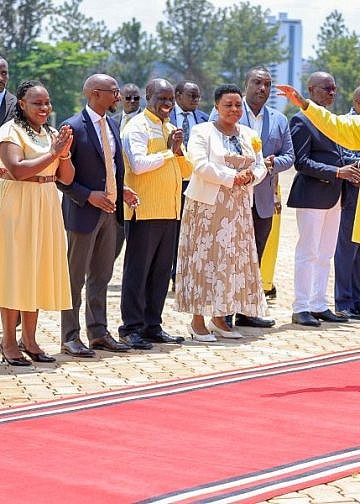
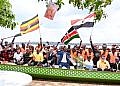
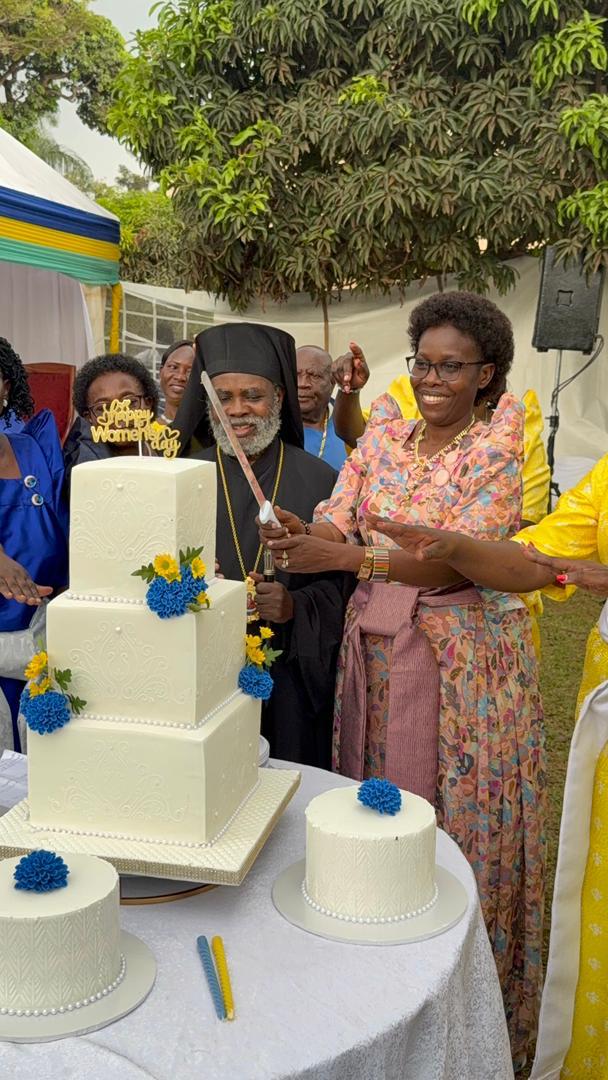
Speaking during the national observance of the Women’s World Day of Prayer at St. Nicholas Orthodox Cathedral, Nabakooba highlighted that many religious institutions face the risk of losing land due to inadequate documentation.
The global day of prayer, celebrated by Christian women in over 150 countries, was led by Nigeria this year.
In Uganda, the event was hosted by the Uganda Orthodox Church under the Uganda Joint Christian Council (UJCC), which includes the Orthodox Church, Roman Catholic Church, and the Church of Uganda.
“This has left several church properties vulnerable to encroachers and opportunistic land grabbers who take advantage of the absence of proper land documentation,” Nabakooba said, noting that many churches historically received land through donations or community gifts but never completed the formal registration process.
She stressed that legally surveying and registering church land protects these properties and ensures they continue serving communities through schools, health centres, and places of worship.
“Proper land documentation is essential in protecting church property from encroachment and disputes. When church land is surveyed and legally registered, it safeguards the heritage of the church and ensures that these assets can continue serving communities for generations,” Nabakooba said.
The minister also encouraged churches to actively support government programs like the Parish Development Model (PDM), which aims to help families move from subsistence livelihoods to the money economy through financial support and community projects.
“The church has a powerful influence within our communities. By encouraging members to participate in the Parish Development Model, the church can help many families access financial support, start small enterprises and improve their livelihoods,” she said.
Nabakooba further used the occasion to address the challenges faced by women, including economic hardship, limited opportunities, and gender-based violence. She commended the Orthodox Church mothers’ group for highlighting women’s issues and mobilising support for empowerment initiatives.
“I am particularly encouraged to learn that the Orthodox Church Mothers Uganda are using this platform not only for prayer but also to highlight critical issues affecting women and to mobilise support for women’s empowerment initiatives,” she said.
She concluded by urging Christians to turn their spiritual reflection into practical actions that promote justice, peace, and prosperity in Uganda.
“These words speak to all of us, especially women who often carry many responsibilities within our families, communities and places of work,” Nabakooba added, referencing the Biblical message from Matthew 11:28, which calls on those who are weary and burdened to find rest in faith.