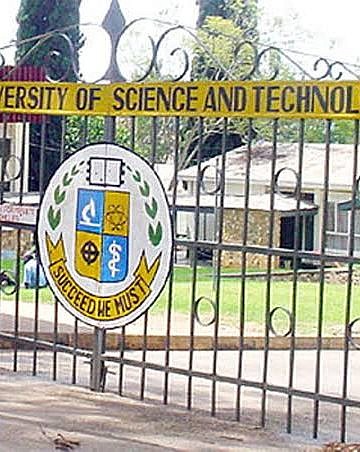











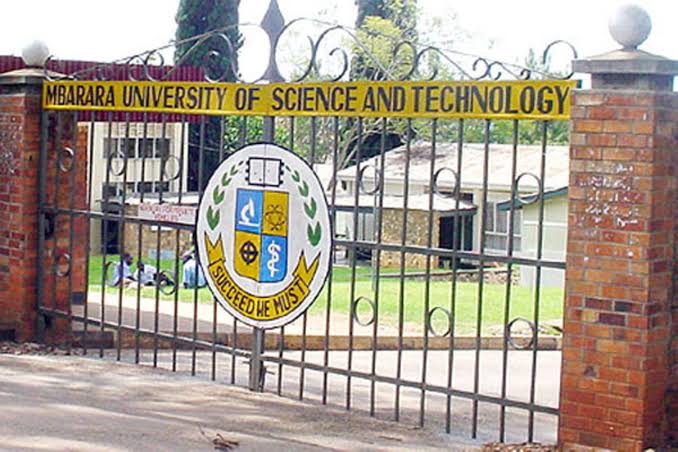
The National Council for Higher Education (NCHE) has said Mbarara University of Science and Technology’s (MUST) Bachelor of Pharmacy programme remains fully accredited, despite the Pharmaceutical Society of Uganda’s (PSU) decision to withdraw its recognition of the course over concerns about staffing and departmental leadership.
In a statement, NCHE said the programme’s accreditation remained valid and that teaching and learning should continue, clarifying that the regulator had not withdrawn its approval.
“The Bachelor of Pharmacy programme at Mbarara University of Science and Technology is fully accredited,” the council said, adding that “the accreditation has not been withdrawn by the National Council for Higher Education.”
PSU last week announced its decision to withdraw recognition of the programme, citing what it described as inadequate staffing, concerns about the leadership of the university’s Department of Pharmacy and the failure to advertise the position of head of department for substantive appointment.
The professional society also raised concerns about the appointment of an acting head of department with a nursing background rather than a pharmacy qualification.
NCHE, however, said it was neither involved in nor consulted about PSU’s decision, arguing that its statutory mandate covers the accreditation of academic programmes and the recognition of academic qualifications.
“The National Council for Higher Education was neither involved nor consulted in the Pharmaceutical Society of Uganda’s unilateral decision to withdraw its recognition of the Bachelor of Pharmacy programme at Mbarara University of Science and Technology,” the council said.
The regulator cited Section 4(d)(ii) of the Universities and Other Tertiary Institutions Act, which mandates it to process applications for accreditation of academic and professional programmes in consultation with professional associations and regulatory bodies. It also referred to Section 4(i) of the Act in explaining its mandate to recognise academic qualifications.
According to NCHE, MUST’s Bachelor of Pharmacy programme was first accredited in 2010 and has undergone several re-accreditations since then. The latest accreditation was granted on January 30, 2025, and is valid until 2036, the council said.
NCHE added that the programme’s re-accreditations had been undertaken in consultation with PSU, as required by law.
Addressing concerns about the department’s leadership, the council said an associate professor of pharmacy headed the department until July 2026, when he resigned to join another academic institution following his promotion to full professor.
The university subsequently appointed a senior lecturer with a nursing background to lead the department in an acting capacity. According to NCHE, the appointee holds a PhD in pharmacology from Ghent University in Belgium.
The council further stated that the current acting head of the Department of Pharmacy is a pharmacist who also serves as PSU president.
NCHE maintained that PSU’s concerns did not constitute a withdrawal of accreditation by the authority legally responsible for accrediting higher education programmes.
“The teaching and learning of the Bachelor of Pharmacy programme at Mbarara University of Science and Technology should continue,” the council said.
The regulator also said it remained open to receiving and investigating complaints about higher education institutions in Uganda.
The disagreement highlights the distinction between programme accreditation by the national higher education regulator and professional recognition by a professional body, with potential implications for the university, pharmacy students and the profession.