








Uganda and Russia have signed an agreement allowing holders of diplomatic and service passports from both countries to travel between them without visas, in a move aimed at strengthening bilateral relations and facilitating official engagements.
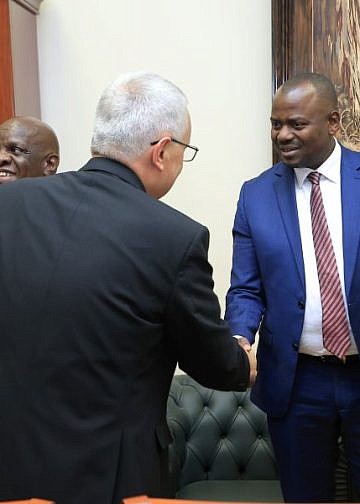
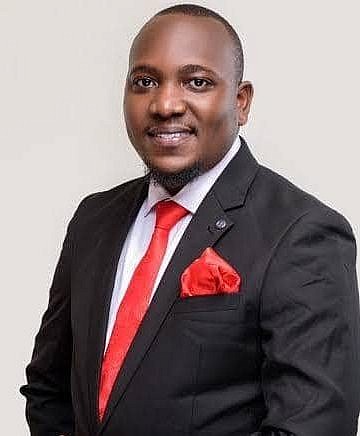
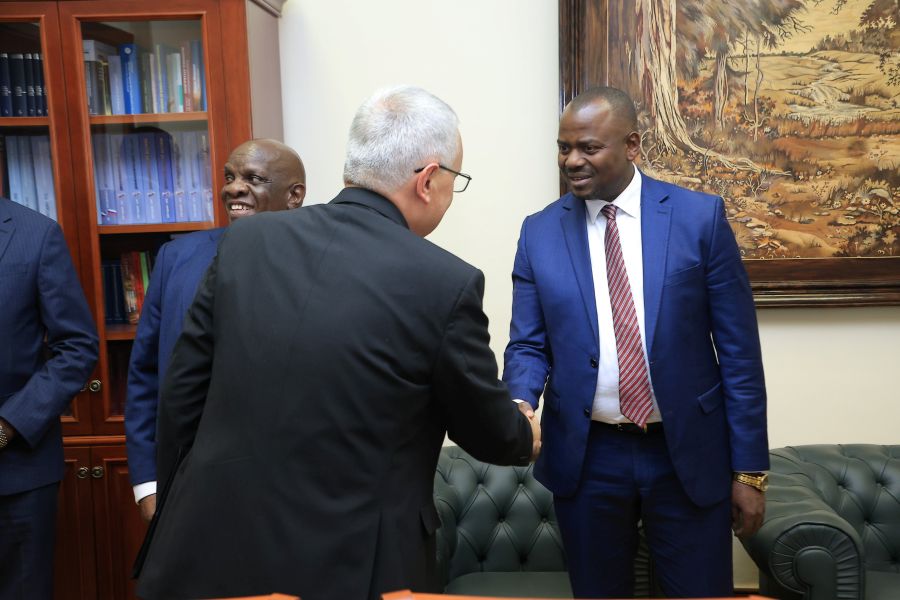
The agreement was signed in Moscow on the sidelines of the Third Russia–Africa Summit by Haruna Kyeyune Kasolo, Uganda’s Minister of State for Foreign Affairs, and Georgy Borisenko, Russia’s Deputy Minister of Foreign Affairs.
The agreement covers government officials and other authorised persons travelling on official business. It is expected to ease movement between Kampala and Moscow for ministers, diplomats and public servants.
Under the arrangement, the two governments seek to strengthen friendly relations and create favourable conditions for official visits. The agreement will enter into force 30 days after both countries complete their respective internal procedures and notify each other through diplomatic notes.
Russian officials indicated that the approval process involves several institutions, including the Ministry of Justice, but pledged to expedite the procedures, citing Moscow’s interest in strengthening cooperation with Kampala.
Beyond diplomatic engagement, the signing comes amid efforts by Uganda and Russia to broaden their bilateral relations in trade, investment, education, agriculture and technology.
During the discussions, Russia expressed interest in increasing the visibility of Ugandan coffee and other agricultural products in its market and pledged support for initiatives aimed at improving access for Ugandan exports.
The two sides also explored opportunities to expand trade, highlighting the need to provide private-sector companies with clearer information about available business and investment opportunities. The matter could be discussed further at the next meeting of the Uganda–Russia Intergovernmental Commission.
Information and communication technology was also identified as a potential area for increased collaboration.
On education, Russian officials noted that Uganda receives approximately 50 government-funded university scholarships annually, while additional Ugandan students pursue studies in Russia through private sponsorship.
Addressing African and Russian foreign ministers in Moscow, Kasolo called for increased Russian investment in Uganda’s priority sectors, including agro-industrialisation, mineral and energy development, infrastructure and manufacturing.
He highlighted Uganda’s strategic position as an investment destination, noting that the country provides access to wider regional and continental markets through the East African Community (EAC) and the African Continental Free Trade Area (AfCFTA).
Kasolo emphasised that cooperation between Russia and Africa should be judged by tangible outcomes, calling for a clear framework supported by agreed targets, effective implementation and regular performance reviews.
“Uganda stands ready to work with the Russian Federation, the African Union and fellow African countries,” he said.
The agreement signals renewed efforts by Kampala and Moscow to strengthen diplomatic engagement while exploring practical opportunities for trade, investment, education and economic cooperation.