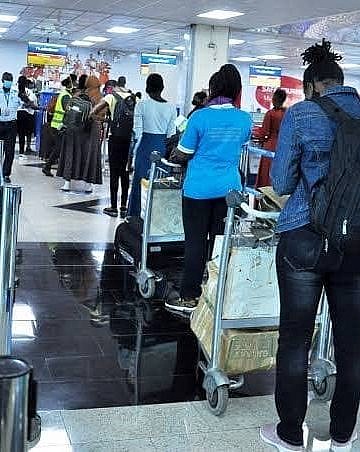










The United Arab Emirates (UAE) has lifted Ebola-related travel restrictions on Ugandan nationals, ending the suspension of new visa applications introduced in June 2026, while retaining a requirement for travellers to spend at least 21 days outside Uganda before entering the country.
The revised measures were announced on Wednesday by the National Emergency Crisis and Disaster Management Authority (NCEMA), in coordination with the UAE Ministry of Health and Prevention (MoHAP) and the Federal Authority for Identity, Citizenship, Customs and Port Security (ICP).
Under the new guidelines, Ugandans can now apply for UAE visas and travel to the country, provided they have spent at least 21 days outside Uganda before arrival.
The revised measures also provide exemptions for specific categories of travellers, including students, embassy administrative staff and holders of diplomatic and special passports, subject to approved health procedures.
Ugandan students who were enrolled in UAE educational institutions before June 2026 will be permitted to return, alongside their family members, in accordance with the stipulated health requirements.
Administrative staff at the Ugandan Embassy in the UAE holding ordinary passports, together with their family members, will also be allowed entry.
Similarly, holders of diplomatic and special passports issued by the Ugandan Government will qualify for entry under the health procedures applicable to exempted categories.
Medical and Humanitarian Travel
The UAE will consider medical and humanitarian travel requests on a case-by-case basis in coordination with relevant authorities.
Travellers seeking medical treatment will be required to present approved medical reports indicating their diagnosis, the healthcare facility where they intend to receive treatment and the scheduled date for commencement of treatment.
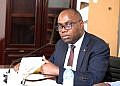
The relaxation of the restrictions has been welcomed by Uganda’s Ministry of Health, with Permanent Secretary Diana Atwiine saying the decision followed diplomatic and health engagements between the two countries.
In a statement, Atwiine said she had met the UAE Minister of Health, during which Uganda provided updates on measures instituted to safeguard public health and protect travellers.
“We also received assurance that the UAE has lifted all travel restrictions on Ugandans,” Atwiine said.
She urged other countries that had imposed travel restrictions on Uganda to reconsider their decisions, citing the country’s experience and expertise in epidemic preparedness and response.
“We call upon other countries with which we share diplomatic relations to trust Uganda’s proven expertise and experience in epidemic preparedness and response, which have made us a Centre of Excellence for other countries to learn from. We urge them to open up. Uganda is safe,” she added.
Foreign Affairs Minister Adonia Ayebare also welcomed the development, thanking the UAE Government for lifting the Ebola-related travel restrictions.
“This is to thank the friendly Government of the United Arab Emirates for lifting Ebola-related travel restrictions,” Ayebare said.
He particularly acknowledged Sheikh Shakhboot Bin Nahyan Al Nahyan, the UAE Minister of State for Foreign Affairs in Charge of Africa, for his leadership and assistance in securing the decision.
The lifting of the restrictions marks a significant step in restoring travel and diplomatic relations between Uganda and the UAE following the Ebola-related measures introduced in June 2026.
However, the 21-day requirement remains an important condition for Ugandan travellers planning to visit the Gulf country.