






The International Committee of the Red Cross (ICRC) has urged journalists to exercise caution when reporting on refugees, conflict victims and other vulnerable people, warning that insensitive coverage can compromise their dignity, privacy and safety.
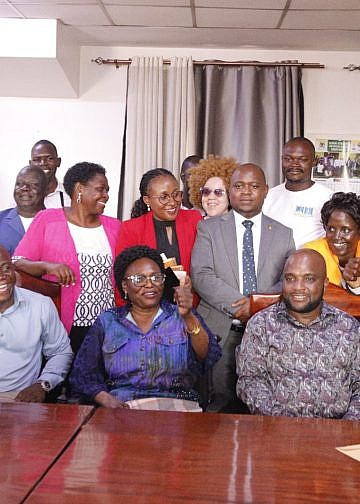
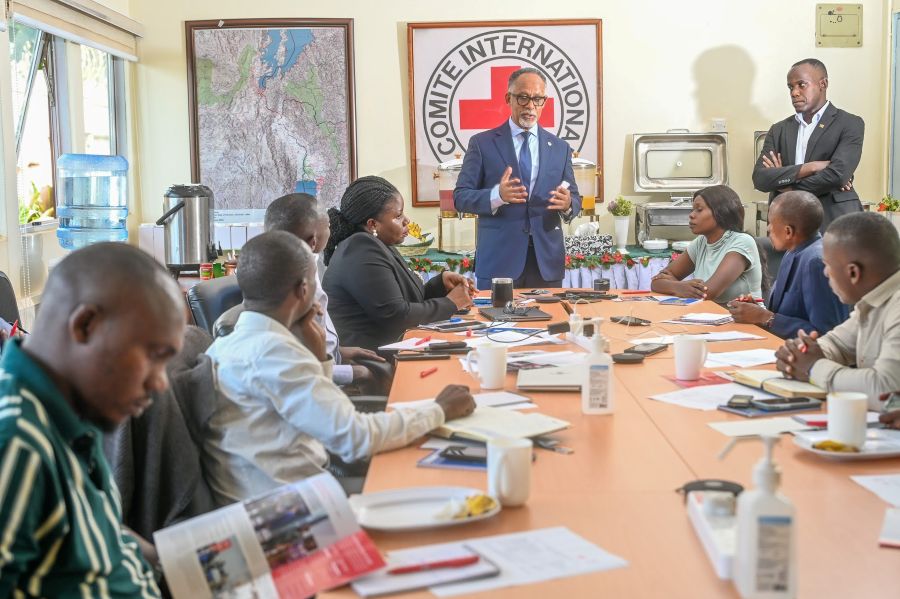
The call was made during a joint media engagement breakfast organised by the ICRC and the Uganda Red Cross Society in Kampala on Thursday.
The organisations said journalists covering armed conflicts, displacement, missing persons and other humanitarian emergencies should prioritise the protection of affected individuals when gathering information, conducting interviews and publishing photographs.
George W. Ntambazi, a Political Advisor at the ICRC, said the accuracy, context, language and images used in humanitarian reporting shape public understanding of crises and influence how affected people are perceived.
“Accuracy, context, the language used, and the image shared can influence how people understand the situation and perceive those affected by it. This is particularly important when reporting on armed conflicts, people deprived of their freedom, missing persons, displacement, and other sensitive humanitarian issues,” Ntambazi said.
He noted that responsible journalism helps bring attention to the experiences and needs of people affected by humanitarian crises, many of whom have limited opportunities to make their voices heard.
Ntambazi said the ICRC was seeking to strengthen its engagement with media practitioners to promote accurate, informed and responsible reporting while respecting editorial independence.
“Through responsible journalism, these realities can receive the attention they deserve, helping the public better understand humanitarian needs and the importance of protecting human dignity,” he said.
Irene Nakasiita, the Uganda Red Cross spokesperson, challenged journalists to ensure that the pursuit of compelling humanitarian stories does not come at the expense of the dignity and wellbeing of the people featured.
“A compelling humanitarian story should not come at the expense of the dignity of the person being featured or your story subject,” Nakasiita said.
She urged journalists to exercise caution when photographing, interviewing, identifying and portraying survivors, children, displaced persons and other vulnerable individuals.
“The way we photograph, we interview, we identify and portray survivors, children, displaced persons and other vulnerable people does matter. Consent, context and responsible storytelling are simply communication considerations. They are equally fundamental to ethical humanitarian practice,” she said.
Nakasiita said the media plays an important role in humanitarian work by giving visibility to communities whose experiences might otherwise remain unheard and helping the public understand where assistance is available.
She added that the Uganda Red Cross was committed to improving journalists’ access to credible information, providing appropriate spokespersons and strengthening working relationships with media houses, including outside emergency situations.
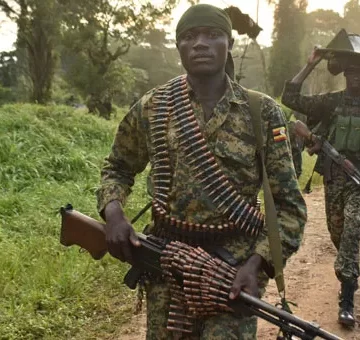
The ICRC also reminded journalists that they are protected under international humanitarian law when undertaking professional assignments in areas of armed conflict, provided they do not directly participate in hostilities.
Ntambazi emphasised that journalists are civilians under international humanitarian law and must be respected and protected. They should not be deliberately targeted because of their professional work.
The engagement brought together journalists and humanitarian actors to discuss the media’s role in advancing humanitarian action, addressing misinformation and promoting accurate and responsible reporting.
During the meeting, the two organisations also presented their humanitarian performance for the January-September 2026 period, highlighting interventions in tracing missing relatives, reuniting separated families, supporting refugees and improving conditions for people held in detention.
The ICRC and Uganda Red Cross reported that they had traced 770 missing persons and reunited 81 unaccompanied and separated children and vulnerable adults with their families during the nine-month period.