






















Airtel Uganda has announced that it now operates 365 live 5G sites across key urban centres, significantly expanding next-generation connectivity ahead of the festive season, a period typically marked by increased data usage as Ugandans travel upcountry to celebrate Christmas.
The expanded 5G footprint covers Kampala–Wakiso and major regional towns including Jinja, Mbale, Masaka, Mbarara, Gulu, Lira, Hoima, Fort Portal and Kabale. The development marks a major step forward from Airtel’s initial 5G launch two years ago, which began with 50 sites concentrated in Kampala, and comes amid earlier concerns about the pace of rollout.
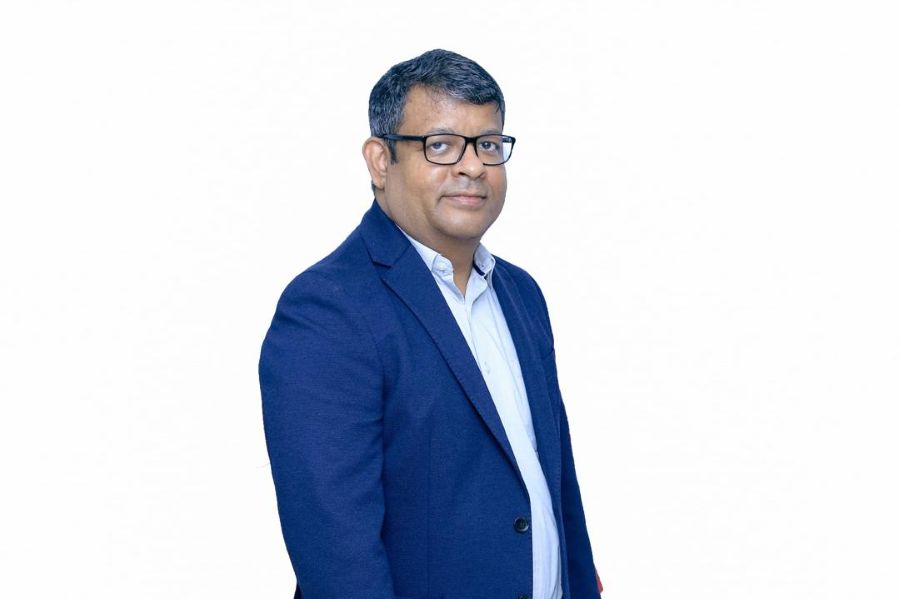
The expansion follows sustained investment in network densification aimed at improving customer experience. Airtel Uganda’s Chief Executive Officer and Managing Director, Soumendra Sahu, said the company has steadily accelerated deployments in recent months, adding dozens of new 5G sites and extending coverage from central Kampala into key regional centres.
“While the initial phase focused on urban hubs, our current priority is to broaden accessibility beyond the capital and into other major cities,” Sahu said, noting that the rollout strategy is informed by both network demand and customer feedback.
According to Airtel, continued investment in both 4G and 5G infrastructure is central to supporting Uganda’s digital transformation agenda. Sahu highlighted that 5G use cases—ranging from home broadband and digital learning to telemedicine, manufacturing, commercial agriculture, remote working and smart business solutions—provide the strongest justification for ongoing investment in next-generation networks.
He added that Airtel’s deployment approach is deliberately “ahead of need,” ensuring that network enhancements translate into tangible benefits for everyday users, particularly for data-intensive services such as video streaming and content delivery.
“We view 5G as an enabler rather than a headline technology,” Sahu said. “This is a progressive journey, not a finish line, reinforcing our long-term commitment to strengthening network quality, supporting the digital economy, and ensuring high-capacity connectivity is available where people live, work and do business.”