








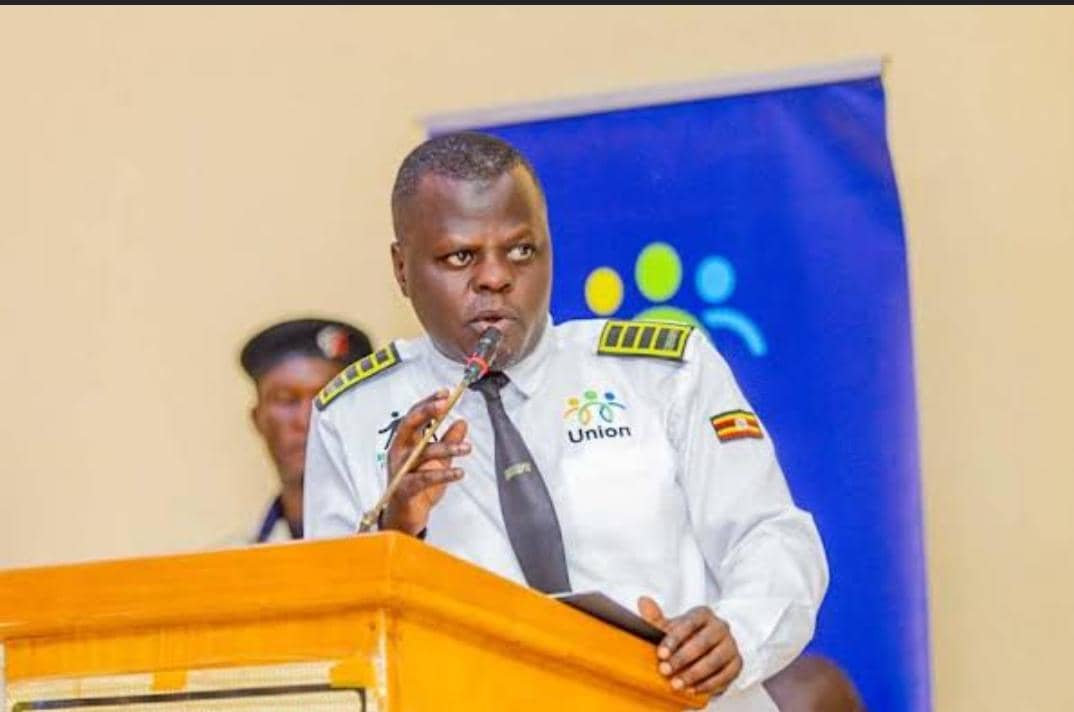
Bus drivers have called for greater involvement in the design and implementation of road safety measures, arguing that policies intended to reduce crashes cannot succeed without the people who spend every day behind the wheel.
Umar Kakaire, National Chairman of Uganda Bus Drivers, made the call during the launch of Liberty General Insurance Uganda’s SMART Journeys Project, a road safety initiative aimed at shifting the country from reacting to crashes to preventing them.
“Anything meant for us without us can’t be for us,” Kakayire said.
He said drivers should be treated as strategic partners by government, bus owners, police, insurers and other stakeholders because they are directly exposed to the conditions and risks on Uganda’s roads.
Kakayire said drivers often have information about their colleagues that employers and regulators may not know, including health conditions and other factors that could affect their ability to safely operate buses.
“You employ because you have seen someone with a driving licence or with a badge. But not everyone who has a badge and a driving licence is a driver or is a good driver,” he said.
He warned that some drivers possess the required licences and badges but may still have health or other personal challenges that could compromise road safety.
“Others can’t even drive a bus up to the wheel, but they have those qualifications. And you have disqualified good drivers, but for us we know them because we are always with them,” Kakayire said.
He urged transport operators to work closely with drivers’ organisations when developing systems for recruiting, vetting and monitoring drivers.
The drivers’ representative also called for better welfare and protection of bus drivers, particularly through workers’ compensation.
He said some drivers have died or been left with permanent disabilities, leaving behind widows and orphans who struggle to survive.
“What happened to the workers’ compensation? Because we have very many of our colleagues that have died, they have left orphans, they have left widows. Others are in wheelchairs, but the families are suffering,” he said.
Kakayire further called for formal recognition of the Uganda Bus Drivers’ organisation by government agencies, saying drivers want to work with authorities rather than compete with them.
“We want to give support to your programmes, not fighting you. We don’t want to take your responsibilities. We know our lines and our limits,” he said.
SP Michael Kananura, Community Liaison Officer for Traffic and Road Safety, said drivers and transport operators have a central role to play in preventing crashes.
He said police’s objective should not only be to arrest motorists after accidents but to prevent crashes before they occur.
“As traffic police, our concern is not to simply apprehend drivers after these crashes have occurred, but our greater objective is to prevent crashes before they can occur, and then we save lives,” Kananura said.
He identified driver fatigue, speeding, improper overtaking and unroadworthy vehicles among the major risks contributing to road crashes.
Kananura said fatigue is particularly difficult for police to detect because drivers themselves and their managers are often better placed to know when a driver needs to rest.
“No traffic officer will stop and say, ‘Please, you are tired, rest.’ No one,” he said.
He therefore urged transport companies to strengthen journey planning and ensure drivers get adequate rest before and during long-distance trips.
Apollo Kashanku, Assistant Commissioner for Transport Regulation and Safety at the Ministry of Works and Transport, said government is also moving towards systems that will hold drivers accountable for their road behaviour.
He said a demerit system is being introduced under which traffic violations will be recorded against drivers’ licences.
“Every corner you negotiate badly, it will go on record on your driving licence. Every small incident will go on record,” Kashanku said.
He said the system should help bus operators identify drivers with poor safety records and retain those who demonstrate responsible driving.
Kashanku also urged insurers and financiers to examine the safety records of drivers and transport companies before providing insurance or financing.
Paul Kavuma, Acting Managing Director and Country Head of Operations at Liberty General Insurance Uganda, said poor driver management and repeated crashes are making commercial transport increasingly difficult to insure.
“Your risks are becoming uninsurable. Not for anything else, but because of the repeated road damage,” Kavuma said.
He said Liberty’s SMART Journeys initiative will promote driver training, vehicle maintenance, journey planning, speed monitoring, fleet safety and incident reporting.
Kavuma said the insurer is also willing to provide free defensive-driving training to bus operators as part of efforts to reduce crashes and insurance losses.
The initiative brings together insurers, government, police, transport operators, financiers and regulators, with stakeholders arguing that better cooperation and the use of technology can help identify risks before they result in crashes.
Sam Bababnza, Executive Director of STASSU, summed up the prevention message: “Road crashes are preventable and controllable. Speeding, phone use while driving and drink driving are choices we can change.”
The Uganda Police Annual Crime Report 2025 recorded 26,044 road crashes, including 4,602 fatal crashes, highlighting the scale of the challenge facing Uganda’s transport sector.