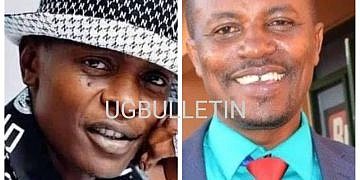






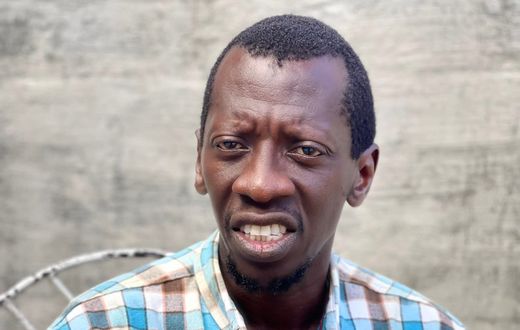
Police has denied claims that opposition activist Sam Mugumya is in their custody, amid growing concern over his disappearance.
During a press briefing at Police Headquarters in Naguru, Police spokesperson Kituuma Rusoke said authorities have no information on Mugumya’s whereabouts.
“I am spokesperson of Uganda Police Force. I haven’t got any briefing about the arrest of Sam Mugumya,” Rusoke stated.
Last week, the Uganda People’s Defence Forces (UPDF) also dismissed allegations of detaining Mugumya.
In a sworn affidavit submitted to the Civil Division of the High Court in Kampala, Lieutenant Colonel Edgar Musasizi, Director of Civil Affairs at the Ministry of Defence and Veteran Affairs, confirmed that a comprehensive internal search found no record of Mugumya in any UPDF facility.
“I do satisfy and return that Sam Mugumya has not at any material time been in the custody of the respondents in this matter,” Musasizi declared.
Sam Mugumya, a longtime opposition activist and former aide to Dr. Kizza Besigye, has a complex history with state authorities.
Known for his outspoken political stance, Mugumya has been repeatedly arrested over the years for his involvement in protests and political mobilization.
In 2014, Mugumya was arrested in the Democratic Republic of Congo on allegations of subversion and spent five years in detention without trial before being repatriated to Uganda in 2019.
Upon his return, he resumed his activism, often criticizing what he describes as shrinking democratic space and authoritarian governance in Uganda.
His latest disappearance has raised concern among opposition groups and human rights defenders, who fear he may have been abducted by state operatives.
Supporters say he vanished under suspicious circumstances at a time of heightened political tension, with several members of the National Unity Platform (NUP) also reportedly missing or arbitrarily arrested.
Mugumya previously spent five years in detention in the Democratic Republic of Congo (2014–2019) over alleged subversive activities.
Upon returning to Uganda, he resumed activism and has remained a vocal critic of what he describes as authoritarian governance.