








government has defended the recent wave of post-election arrests and heightened security deployments across the country, warning that criminal gangs were attempting to exploit the election period to destabilise Uganda.
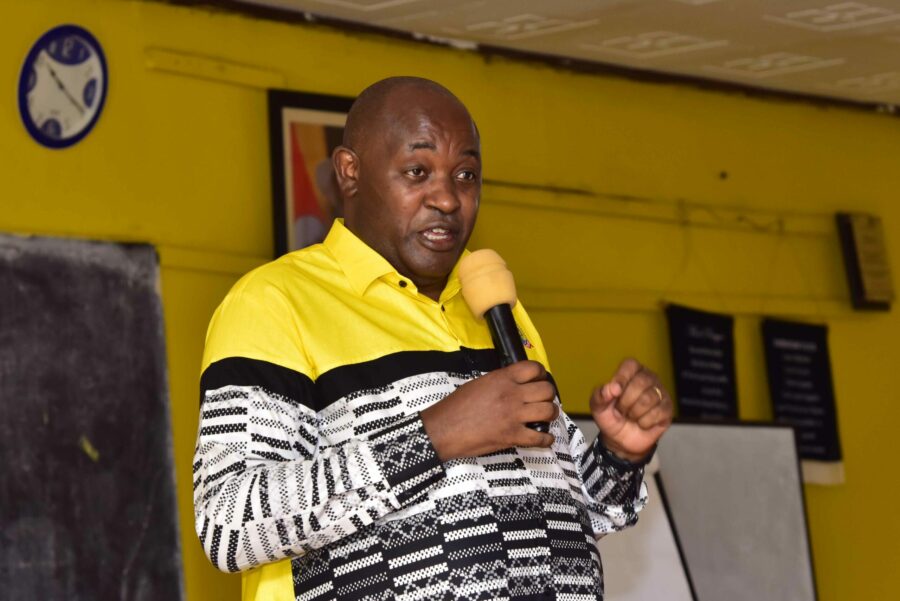
Addressing journalists at the Media Centre on the post-election situation, the Minister of ICT and National Guidance, Dr. Chris Baryomunsi, said security agencies had uncovered plans by organised groups to foment violence following the announcement of election results.
“There were criminal gangs who were mobilised by their leaders to turn this election period into a launching point for civil unrest in the country,” Dr. Baryomunsi said.
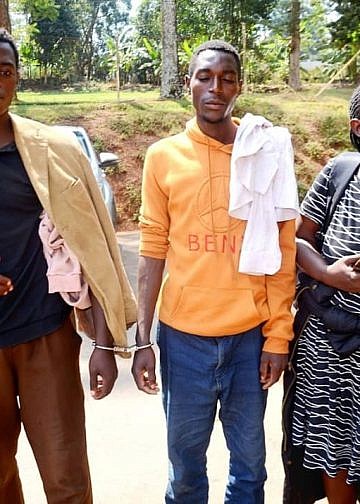
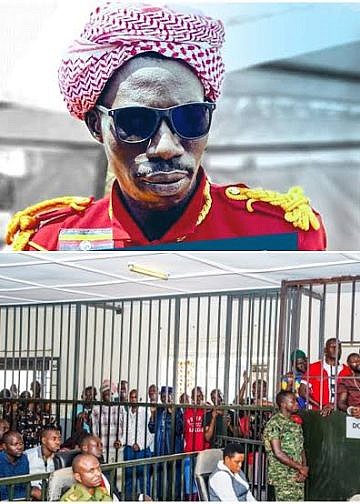
He explained that the suspects arrested fall into two categories: individuals who reacted violently after losing elections, and organised groups allegedly planning coordinated attacks.
“The first category involved people driven by the shock of losing elections. But the second category was more dangerous—criminal gangs mobilised by their leaders to destabilise the country,” he said.
Internet shutdown and security deployment
Dr. Baryomunsi also defended the temporary internet shutdown and heavy security deployment during and after polling, saying intelligence agencies had intercepted plans to use social media platforms for incitement and the spread of misinformation.
“There was a detailed plan of misinformation and disinformation aimed at creating fear and anarchy across the country. That is why the Uganda Communications Commission temporarily switched off the internet,” he said.
According to the minister, government action was intended to prevent Uganda from descending into post-election chaos similar to that experienced in other countries.
“Countries like Sudan, Jamaica and Madagascar collapsed because criminal gangs hiding under political activism overran security agencies. This will not happen in Uganda,” he said.
NUP accused of provoking confrontations
Without naming individuals, Dr. Baryomunsi accused leaders of the National Unity Platform (NUP) of repeatedly defying Electoral Commission guidelines, leading to confrontations with police.
“There was indiscipline by some political actors who completely refused to follow guidelines. There was always an altercation with police whenever such indiscipline occurred,” he said.
He cited viral slogans such as “mubayisemu egaali” as examples of incitement to violence.
“Video evidence is available showing leaders teaching supporters how to overwhelm security forces in the event their victory is not realised,” he added.
The minister also referred to the January 15 killings in Butambala, saying some supporters had been misled into acts of violence that proved fatal.
“It is unfortunate that some political actors misled their supporters into criminal actions, such as what happened in Butambala. I hope justice will prevail through the court process,” he said.
“Go to court, not the streets”
Dr. Baryomunsi urged candidates dissatisfied with election outcomes to seek redress through the courts rather than resorting to protests.
“Those who are dissatisfied with the outcome are free to go to court if they have evidence. Ugandans do not need violence and riots. They want to work, survive, and make progress,” he said.
He reaffirmed the government’s commitment to maintaining law and order.
“No group, internal or external, will destabilise sovereign Uganda. Our future and destiny shall be determined by Ugandans themselves through constitutional and democratic processes,” Dr. Baryomunsi said.