












The National Identification and Registration Authority (NIRA) has started issuing identification cards to legally resident foreign nationals in Uganda.
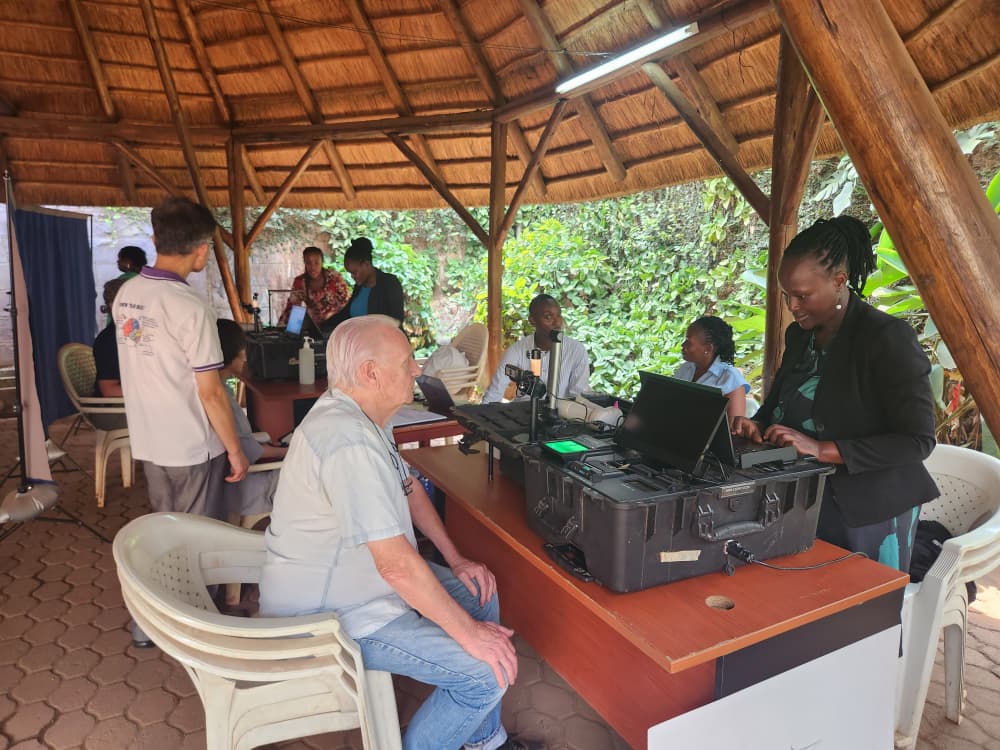
The exercise officially commenced in Kampala on Thursday, with several foreigners receiving their Alien Identification Cards (AIDs).
“We kickstarted registration for aliens on June 10, 2026, and today we are glad to inform the general public that we are going to be issuing out our first Alien ID,” NIRA spokesperson Osborn Mushabe said.
Mushabe explained that although Alien IDs are different from the National IDs issued to Ugandan citizens, they allow foreign nationals to access several services in the country.
“Aliens can access all the services. Like Ugandans, they can register SIM cards with the telecoms. They can register and get bank accounts. They can even start up businesses and so on, but they are not allowed to vote,” Mushabe said.

He sought to allay concerns among Ugandans that the issuance of Alien IDs could give foreigners voting rights.
“We would like to allay the fears of our citizens that how much we are giving aliens these IDs… maybe they are going to be voting like you, our dear citizens,” he said.
Mushabe urged foreign nationals to first register with the Directorate of Citizenship and Immigration Control (DCIC) and obtain legal residency status before proceeding to NIRA for Alien ID registration.
NIRA registrar Claire Ollama said 1,875 foreigners had so far been registered, with about 1,500 cards ready for collection.
“You will collect your card at the place where we registered you from,” Ollama said.
She explained that the Alien ID has several security features that distinguish it from the National ID issued to Ugandan citizens.
“For an alien card, we have the photo. In that photo, there is that hologram that covers the face a bit,” she said.
Ollama said another distinguishing feature is the ghost image on the card.
“For the citizen, the ghost image falls in Uganda, in the map of Uganda. For the foreigner, the image falls inside the global map,” she explained.
She added that the two cards also carry different identification numbers.
“The citizen has NIN, which is the National Identification Number,” Ollama said.
Unlike the National ID for citizens, the Alien ID has a validity period linked to the foreigner’s immigration status.
“Our cards (National IDs) do not have expiry and date of issue because these people are guests in Uganda. We put a date when their facility started, and we also put a date when their facility expires,” Ollama said.
“If you’re on a work permit for two years, your Alien Card will be valid for two years.”
Ollama warned that foreign nationals who fail to obtain the required identification could eventually face difficulties accessing services.
“Without this card, ladies and gentlemen, if you’re a foreigner, very soon the service ecosystem will lock you out,” she said.
Ollama clarified that NIRA is not registering all foreign nationals for Alien IDs.
She said diplomats and their dependants are exempt, while refugees continue to use the identification documents issued under the refugee registration system.
“The fee for the Alien Card is $100, payable to the Government of Uganda through URA. This payment covers for everybody, from child all the way to adult,” Ollama said.
The new identification system is intended to provide legally resident foreign nationals with a formal identification document for accessing services while helping authorities maintain an accurate register of foreigners living and working in Uganda.