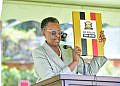






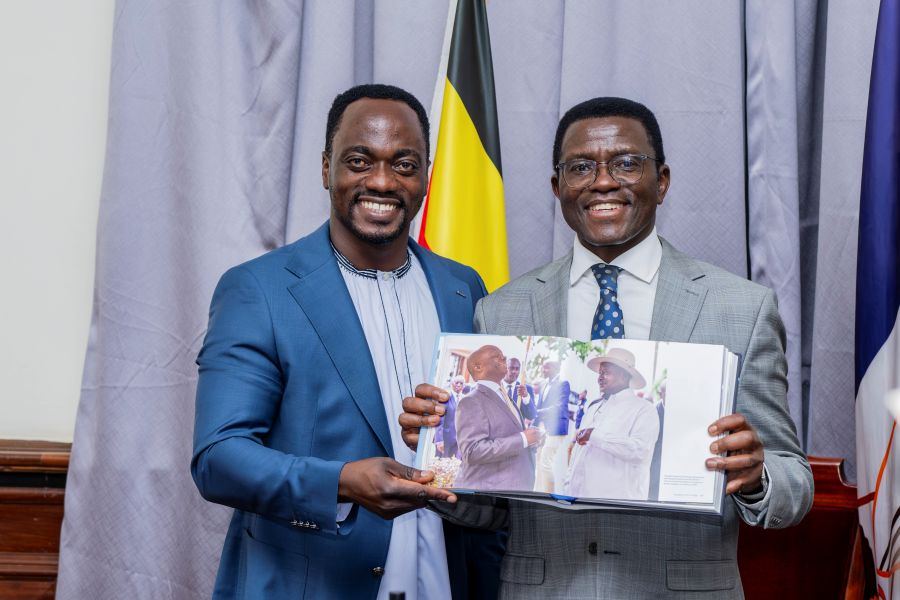
President Museveni’s official photographer, Abu Mwesigwa, has paid a courtesy visit to Buganda Katikkiro Charles Peter Mayiga at Bulange, Mengo, where he presented a book documenting his 12 years of working closely with the President.
The Museveni photographer’s entourage was led by State House online editor, Nelson Bwire.
Mwesigwa said the publication was intended to preserve through photography stories and moments surrounding Museveni’s presidency for present and future generations.
He said working closely with the President had given him an opportunity to observe his activities, interactions and way of doing things, experiences he believes deserve to be documented beyond the daily news cycle.
“Many stories have been said about President Museveni and being near him has given me opportunity to see how he does things. I realised many stories about the president need to be told to the public through photography. This book is meant to tell the world the story about President Museveni whom I have worked closely with for now 12 years.”
Mwesigwa said photography offers a unique way of preserving moments that could otherwise disappear with time, arguing that people who work closely with prominent leaders have a responsibility to document the experiences they witness.
“The future generation will always refer to this book. It is high time people near these big shots tell stories around him.”
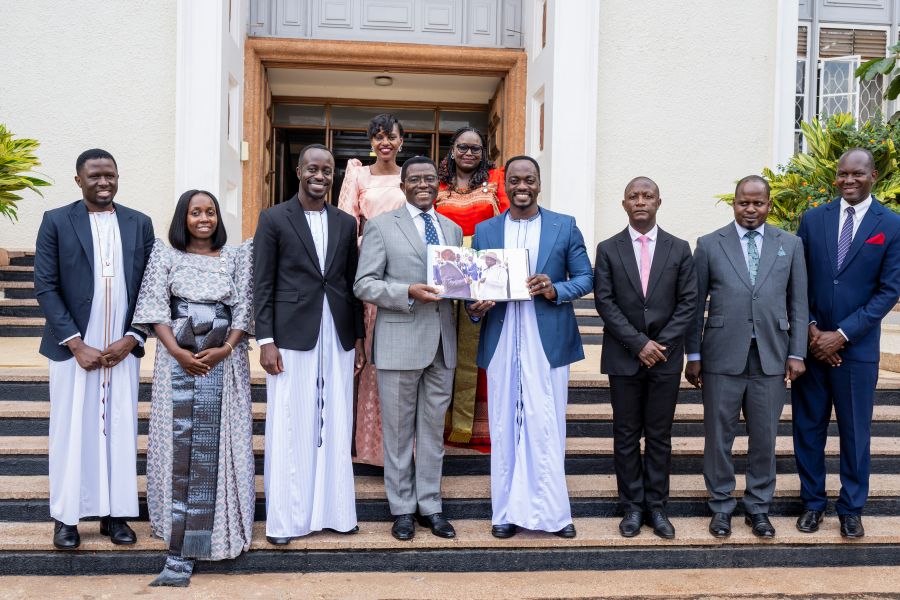
His visit to Bulange was welcomed by Katikkiro Mayiga, who praised Mwesigwa for turning his professional work into a permanent record that can serve as a reference for future generations.
Mayiga said professionals should not only concentrate on performing their duties but should also document their achievements and experiences so that others can learn from them.
“Because it is not enough that we work to the best of our ability but it’s also important that we keep records of what we do. When you have a permanent record of your work, you have set a precedent for future generations because later on they will say, if you’re a presidential photographer, this is how you do your work.”
The Katikkiro said the book demonstrates the value of photography in preserving historical events and professional experiences, adding that future generations can use such records as points of reference.
“There is testimony through the book, through these pictures and the stories we have compiled. So we do not work to earn a salary, although salaries are very important, but we work so that our role may impact those around us.”
Mayiga encouraged other professionals to document excellent work instead of leaving important experiences undocumented.
“The English say there is no need to reinvent the wheel. If there is a way of doing work, even your contemporaries don’t have to try much; they’ve just got to look at your work which is adjudged as excellent.”
He said Mwesigwa’s decision to compile his work into a book would provide an important reference for both current practitioners and future generations seeking to understand the work of a presidential photographer.
“I’m very, very glad that you have put your work into permanent form and I’m very hopeful that later on we shall have points of reference, courtesy of the work you’ve done via this book.”
Mayiga further linked Mwesigwa’s work to the broader principle of excellence promoted through the Buganda Kingdom’s Situla Omutindo theme.
He explained that the theme encourages people in different sectors to work hard, work smart and deliberately seek to make a positive impact in their respective workplaces and communities.
“If you work hard, if you work smart, if you work well, if you are intentional in what you do, if you intend to impact the people you work with, the colleagues, the bosses and subordinates, I can assure you, you’ll always be noticed for the good reasons.”
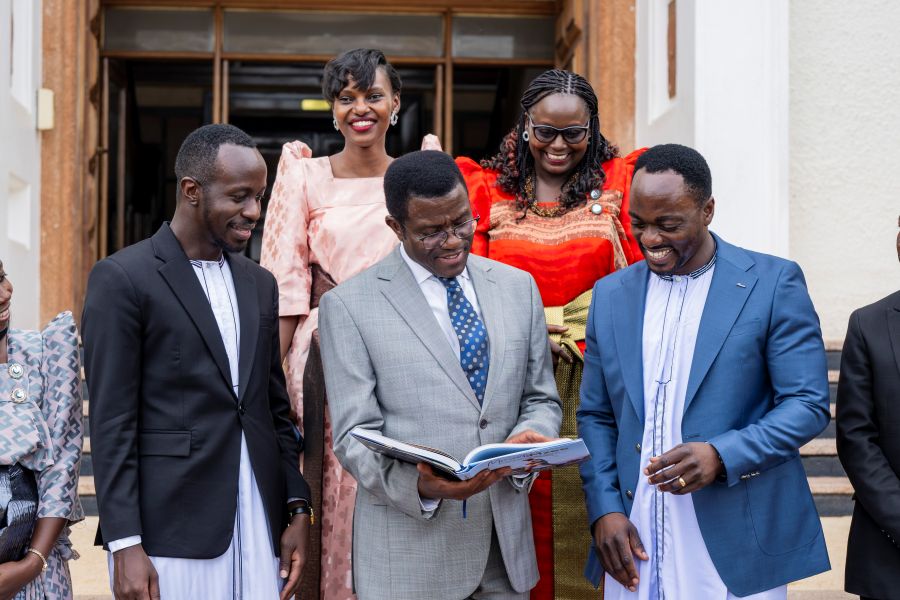
Mayiga said the same principles apply across professions, including agriculture, business and public service, where proper record-keeping, discipline and productivity are critical.
He commended Mwesigwa and his colleagues for putting together the publication, saying it provides evidence of the photographer’s professional journey and creates a record that can outlive his career.
“We do not work to earn a salary, although salaries are very important, but we work so that our role may impact those around us. Those could be our bosses, those could be our colleagues, those could be our subordinates and if the output is good, there is every reason to keep a permanent record for future generations but also for the current generations.”
Mwesigwa’s publication comes after more than a decade of photographing Museveni in official engagements, national events and interactions with different audiences.
For Mwesigwa, the project goes beyond a collection of photographs, presenting what he describes as an opportunity to tell a broader story about a President he has closely observed for more than a decade.
“Many stories have been said about President Museveni and being near him has given me opportunity to see how he does things.”
He said the proximity to the President gave him access to moments and experiences that, in his view, deserve to be preserved and shared with the wider public.
“I realised many stories about the president need to be told to the public through photography.”
Mwesigwa said he hopes the book will remain useful long after the current generation, allowing future readers to look back at the period he has documented.
“This book is meant to tell the world the story about President Museveni whom I have worked closely with for now 12 years. The future generation will always refer to this book.”
Mayiga urged Mwesigwa to treat the publication as motivation to continue improving his work, while thanking colleagues who supported him in compiling the photographic record.
“I’m very pleased and happy that what the minister talks about you is evidenced by the work you’ve just completed and I thank your colleagues who’ve supported you in this.”