










Uganda is seeking to turn its growing mineral potential into bankable mining projects capable of attracting international investors, as competition for mining capital across Africa intensifies.
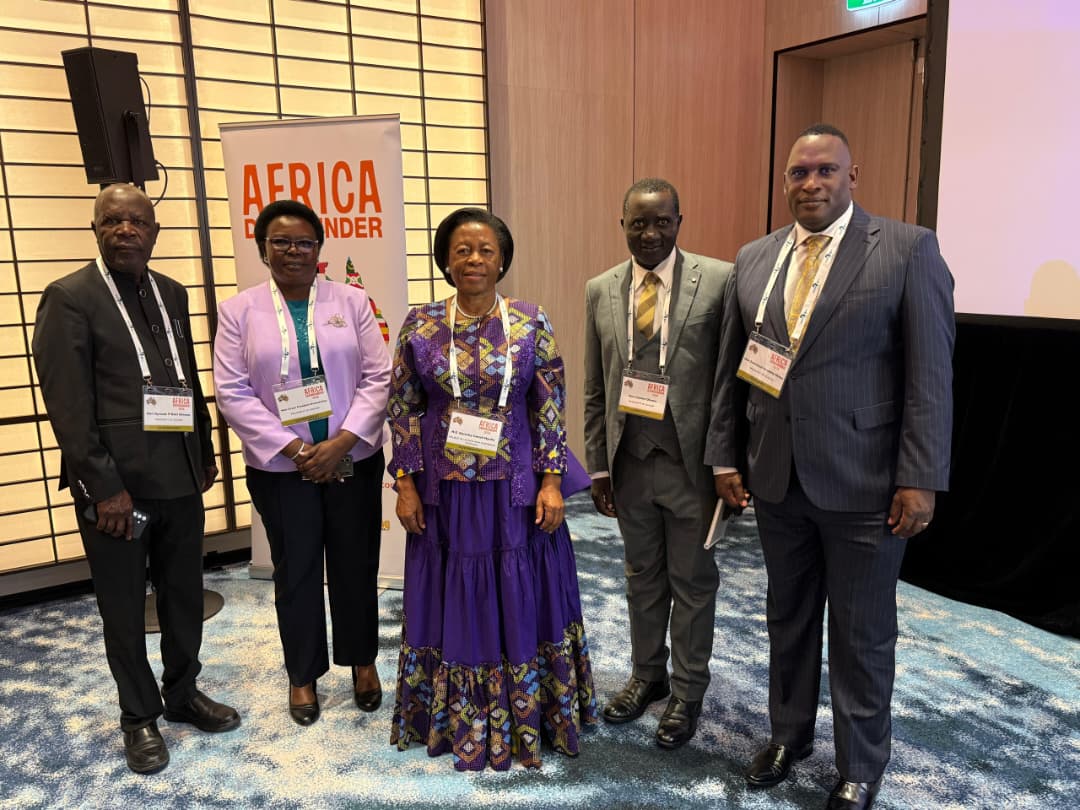
The issue took centre stage at the 24th Africa Down Under Conference in Perth, Australia, where Ugandan representatives highlighted the need to move beyond promoting mineral deposits and focus on projects that investors can confidently finance.
Humphrey Asiimwe of the Uganda Chamber of Mines and Petroleum said Uganda must increasingly present investors with well-prepared projects backed by reliable geological data, clear licences, feasibility studies, infrastructure plans and defined markets.
The shift is important because the discovery of minerals alone does not guarantee investment.
Investors also need to understand the amount of capital required, expected production, operating costs, environmental and social risks, potential returns and the market for the minerals before committing money to a project.
For Uganda, the challenge is therefore to transform its mineral discoveries into projects that can withstand the commercial and financial scrutiny of international investors.
Perth offers access to mining capital
The Africa Down Under conference provides Uganda with access to one of the world’s most developed mining ecosystems.
Perth brings together mining companies, financiers, geologists, engineers, technology providers, mining-services firms and policymakers, offering Uganda an opportunity to build partnerships beyond government-to-government relations.
Opening the conference, Australia’s Assistant Minister for Foreign Affairs and Trade and Assistant Minister for Immigration, Hon. Matt Thistlethwaite MP, highlighted the importance of stronger commercial engagement between Australia and African economies.
For Uganda, the Australian mining ecosystem could provide access to investment, technical expertise, equipment, technology and mining services needed to develop its sector.
Uganda’s High Commissioner to Australia has also highlighted the country’s relationships with the Australian Federal Government, the Government of Western Australia, industry players and the African diplomatic community as an opportunity to connect Ugandan projects with potential investors and technical partners.
However, the relationships can only open the door.
The projects themselves must be strong enough to attract investment.
From mineral potential to projects
Uganda has deposits and exploration opportunities involving gold, iron ore, graphite, rare earths, copper, cobalt and other minerals.
Projects such as Makuutu have also created a link between Uganda and Australia’s growing critical-minerals industry.
But investors are increasingly looking for more than geological potential.
A bankable Ugandan mining project must clearly show the resource available, ownership and licensing arrangements, feasibility work, infrastructure requirements, financing needs and the market for the final product.
This means Uganda’s pitch to investors could increasingly shift from simply saying “these are the minerals we have” to “these are the projects ready for investment.”
Such a portfolio would allow investors to assess opportunities based on clear commercial information and identify where they can provide financing, technology, technical expertise or partnerships.
Competition for mining investment
Uganda is entering a highly competitive African mining market.
Countries such as Zambia, Tanzania, Namibia, Botswana and the Democratic Republic of Congo are also seeking international capital to develop their mineral resources.
As investors become more selective, Uganda will need to demonstrate not only that it has minerals but also that its projects can deliver competitive returns while managing regulatory, infrastructure, environmental and social risks.
This makes the bankability of mining projects increasingly important to Uganda’s investment strategy.
The Perth conference therefore presents an opportunity for Uganda to connect with the international mining industry, but the bigger test will come after the meetings.
For Uganda, the key question is no longer simply how many minerals it has underground.
It is which mining projects are ready for investment today, and what needs to be done to make the others bankable tomorrow?
The answer could determine whether Uganda’s growing presence at international mining forums translates into actual investment, new mines and jobs.