








The Society of Radiographers of Uganda has called for equitable access to diagnostic services across the country, saying patients should be able to access quality medical imaging services regardless of where they live.
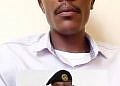
Micah Muhangi, president of the Society of Radiographers of Uganda, said disparities in access to equipment and specialised personnel continue to force some patients to travel long distances, particularly to Kampala, to obtain diagnostic services.
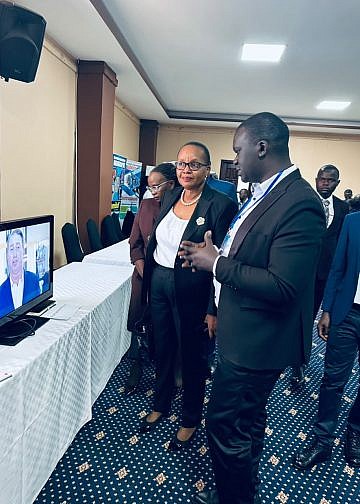
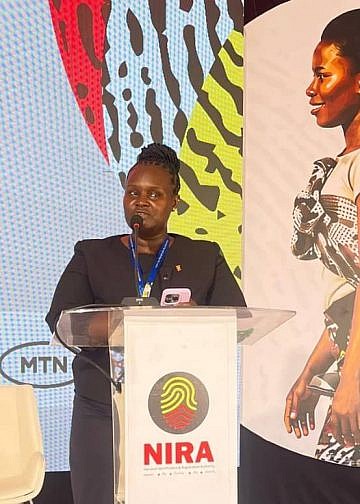
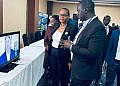
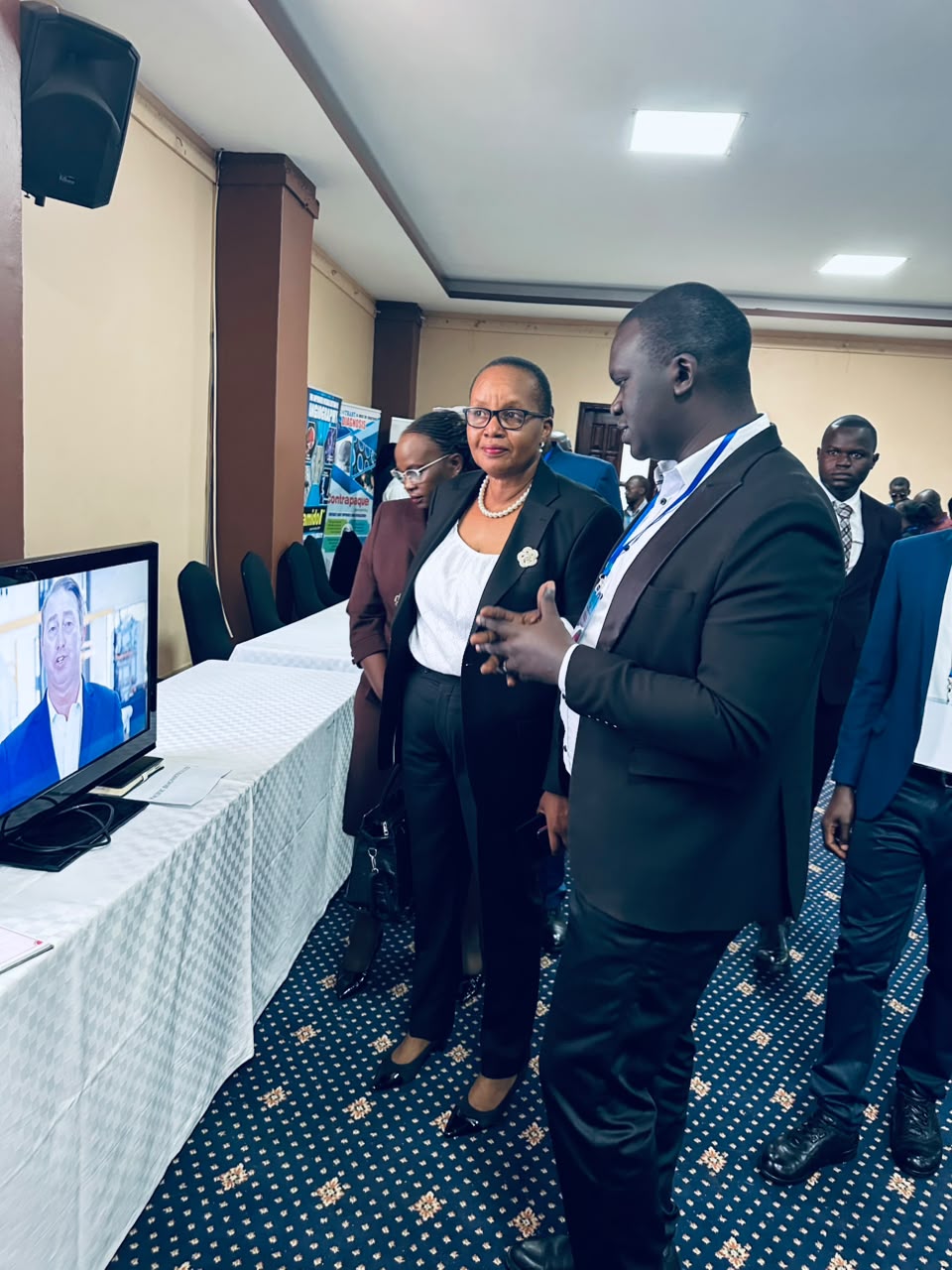
Muhangi made the remarks during the Society of Radiographers of Uganda Scientific Annual Conference and AGM held at Silver Springs Hotel in Kampala.
He said equitable access to diagnostic and therapy services is among the key issues the conference is seeking to address, alongside technology and innovation, professional development and collaboration, clinical excellence and patient safety.
“The biggest thing that we are talking about today is equitable access to diagnostic services and therapy services. Can a Ugandan who is in Moroto access the service the same way or the same quality of service as a Ugandan who is here in Kampala?” Muhangi said.
He said the conference is providing a platform for professionals to examine how diagnostic services can be expanded beyond major urban centres and made available closer to communities.
Muhangi said access to imaging services such as X-rays and CT scans can be critical in determining the treatment required, particularly in emergencies such as road traffic accidents.
He argued that a patient who cannot access the necessary imaging in time may face delays in diagnosis and treatment.
“If you come to Kampala you’ll be told the same. But if we have in Kabale where you cannot access this and maybe you’ve got in an accident and you’re not able to do a CT scan and then you reach midway, you’re going to die because they don’t even know what they’re going to manage,” he said.
Muhangi said wider access to diagnostic equipment could also help government determine where specialised health workers are most needed.
He gave the example of areas that frequently receive patients involved in road traffic accidents, saying imaging data could help inform the deployment of specialists to such locations.
“The imaging is giving us the evidence on which to use to deploy this personnel or these specialists,” he said.
Staffing gaps undermine access
The call for equitable access comes amid concerns over shortages of radiographers and other medical imaging professionals in public health facilities.
Muhangi said some facilities have more imaging equipment than they have professionals to operate it, resulting in underutilisation of equipment and longer waiting times for patients.
“At the moment, we have more equipment than people,” he said.
Muhangi said the staffing shortages affect both patients and the professionals who remain in the health facilities.
“When the workers are few, the numbers of patients are many, then you’re going to experience burnout,” he said.
He said understaffing contributes to long waiting times, with patients sometimes reporting to hospitals early in the morning for scans and only receiving the service later in the day.
“When you are doing that, then that means the patients are going to wait longer and that’s why in public hospitals the lines are usually long,” Muhangi said.
According to officials, the conference is also examining developments in medical imaging technology and how professionals can keep pace with changes in the sector.
Muhangi said the annual gathering allows radiographers to undertake continuous professional development, exchange knowledge and learn about new techniques and technologies.
The discussions are also expected to strengthen collaboration among radiographers, health institutions, government, Parliament and other stakeholders involved in the provision of diagnostic services.
Muhangi said the society is seeking to engage different stakeholders because improving access to diagnostic services requires more than the Ministry of Health alone.
“We want to talk to every person who is there who can help us to get this equipment and also to get these professionals such that Ugandans can be served with access to these services like scan, like CT, like X-ray without having to put in a lot of transport to come to Kampala to maybe have the same service,” he said.
The conference also places emphasis on clinical excellence and safety, as radiographers and other imaging professionals handle technologies that require specialised skills and adherence to safety standards.
Government pledges support
The call for increased staffing comes as the government says it is willing to support the recruitment of radiographers and other essential health workers identified by the Ministry of Health.
Minister of State for Public Service Lydia Wanyoto said the Ministry of Health is responsible for identifying its staffing needs, after which the Ministry of Public Service works with the Health Service Commission on recruitment.
“For Ministry of Health, their work is to tell us in Public Service about the essential stuff they need for every season and through the Health Service Commission then they recruit,” Wanyoto said.
She said the government supports recruitment incrementally because of pressure on the public wage bill.
Wanyoto also highlighted the importance of diagnostic imaging in early disease detection, urging Ugandans to seek medical care early and undergo regular health checks.
“Many diseases are preventable or they can be cured in early stages,” she said.
She said imaging services can contribute to the early detection of cancer and other non-communicable diseases.
The conference also highlighted the cost of acquiring and maintaining medical imaging equipment.
Arnold Nahabwe, technical sales manager at DHS Medical Logistics, said Uganda’s reliance on imported equipment contributes to high acquisition costs.
“For example, a CT scan is costing you over Shs2 billion. Why would you want to invest all that money yet you don’t have the manpower to handle it here?” Nahabwe said.
He said investment in equipment should be accompanied by training for radiographers and biomedical engineers capable of operating, servicing and repairing the machines.
“Looking after equipment, the after-sales support, the service, the routine service, the corrective maintenance is what makes the equipment realise its full potential,” he said.
Nahabwe called for increased local capacity to maintain medical equipment rather than relying heavily on remote assistance from manufacturers.