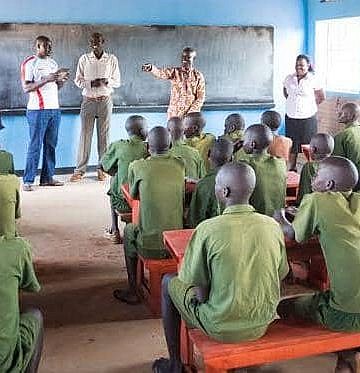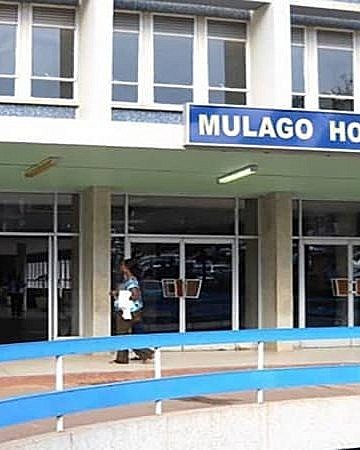










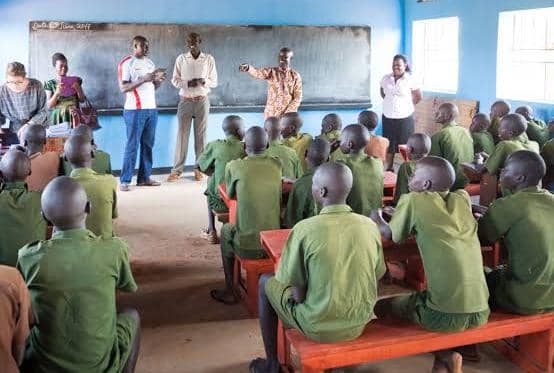
Uganda’s juvenile remand homes are holding 453 more children than they were designed to accommodate, highlighting growing pressure on the country’s child justice system.
Figures presented by the Ministry of Gender, Labour and Social Development show that the country’s seven regional remand homes have a combined capacity of 780 children but are currently holding 1,233.
This means the facilities are operating at approximately 158 per cent of their recommended capacity.
Naguru Remand Home is experiencing the greatest pressure, with 299 children currently in custody.
The overcrowding has raised concerns about the facilities’ ability to provide children with adequate accommodation, food, healthcare, education, counselling and rehabilitation services.
Minister of State for Youth and Children’s Affairs, Dr Mercy Faith Lakisa, has acknowledged that the Government has not done enough to ensure proper conditions for children under its care.
Lakisa said she was moved to tears during a visit to Kampiringisa National Rehabilitation Centre in Mpigi District after witnessing the sleeping conditions and assessing the services available to children at the facility.
“For as long as these children are under our protection and for as long as they are our responsibility, we haven’t done much,” she said.
The situation is particularly concerning because some children are spending extended periods in detention despite legal safeguards intended to limit the time they can remain on remand.
Lakisa revealed that some children accused of petty offences have spent more than a year in custody while waiting for their cases to be concluded.
This is despite provisions under the Children Act that generally limit remand periods to 45 days for children accused of offences other than those punishable by death. For offences punishable by death, the maximum remand period is three months.
The law also requires children’s cases to be handled expeditiously.
However, delays in investigations, prosecution, access to legal representation and preparation of social inquiry reports are contributing to prolonged detention, according to Lakisa.
The shortage of remand facilities is compounding the problem.
Uganda currently has seven regional remand homes located in Naguru, Fort Portal, Kabale, Masindi, Gulu, Arua and Mbale, in addition to the national rehabilitation centre at Kampiringisa.
Deputy Chief Justice Moses Kazibwe Kawumi said some of these facilities serve four or more districts, forcing children to travel long distances to attend court hearings.
He noted that the absence of remand homes in most districts, coupled with the high cost of transporting children to court, has contributed to delayed hearings and congestion in existing facilities.
In response, the Judiciary has directed heads of circuits and chief magistrates to visit remand homes every month to review pending children’s cases.
The visits are intended to identify cases that have stalled and children who may have exceeded the legally permitted periods in custody.
However, Lakisa argues that reducing the number of children in detention will require more than constructing additional facilities.
She is advocating for greater use of diversion and restorative justice, particularly for children accused of minor offences.
“Some of these cases don’t have to get to a point of going to court,” she said.
The Government is also supporting the construction of a remand home in Moroto, which is expected to ease the geographical burden on children from the Karamoja sub-region and neighbouring areas.
However, with 1,233 children occupying facilities designed for just 780, authorities face an urgent challenge: reducing the number of children entering detention while ensuring that those already in custody do not remain there longer than the law allows.
Lakisa said the Government needs to improve case processing, strengthen probation and social welfare services, expand access to legal assistance and invest in rehabilitation and family reintegration programmes.
The figures show that Uganda’s juvenile justice challenge goes beyond a shortage of accommodation.
At its centre are 453 children beyond the recommended capacity of the country’s remand homes, some of whom are spending far longer in detention than the law intended.