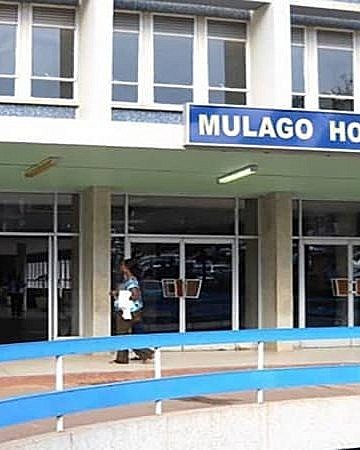










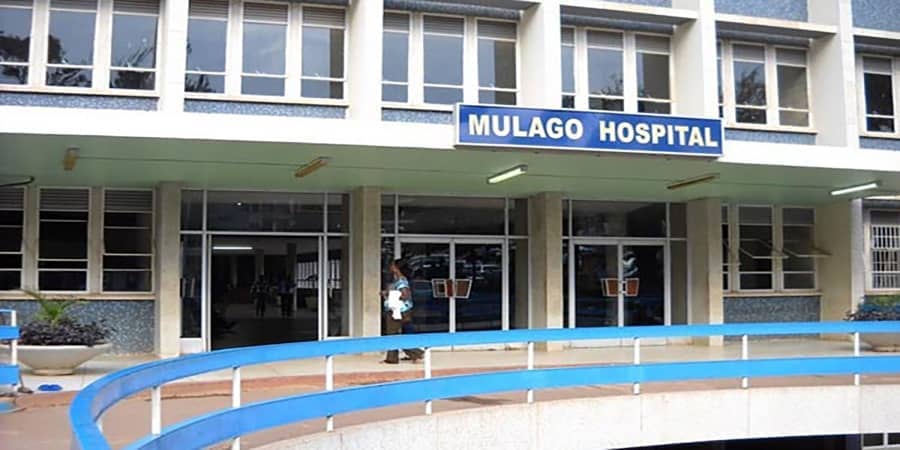
Mulago National Referral Hospital is facing a major medical equipment crisis after the Auditor General found that none of the 77 pieces of equipment sampled at the facility was fully functional.
The audit for the financial year 2024/25 established that 39 pieces of equipment were non-functional, while 38 were only partially functional. The Auditor General attributed all the cases to failure to maintain the equipment.
Among the non-functional equipment were five of the seven ventilators inspected in the hospital’s Intensive Care Unit (ICU).
Mulago’s Accounting Officer, Dr Rosemary Byanyima, told auditors that most of the non-functional equipment was obsolete and required replacement.
The findings came under scrutiny on Monday, November 2, 2026, when hospital officials appeared before Parliament’s Public Accounts Committee (Central Government) to respond to queries raised in the audit report.
The Committee’s Deputy Chairperson, Sarah Lwansasula, the Woman Member of Parliament for Jinja City, directed the hospital to submit detailed technical information on each affected piece of equipment.
The information is expected to include the cost and origin of each item, its period of downtime, the nature of the fault, and whether it is repairable, obsolete or otherwise non-functional.
The Committee said it would consider conducting a physical inspection of the equipment after receiving the requested information.
The audit also exposed significant gaps in Mulago’s ambulance capacity, with the Auditor General reporting that the national referral hospital does not have Type B or Type C ambulances.
All four hospital-owned ambulances inspected by the Auditor General were Type A, which are designed for transporting patients who do not require medical or nursing care during transit.
The Auditor General further noted that the ambulances were old and frequently broke down.
Responding to questions from Bunyole West MP James Waluswaka, Dr Byanyima explained that Mulago’s ambulances are mainly used to transport patients within the hospital premises, while patients requiring transportation to the facility are brought in through the Ministry of Health’s ambulance system.
She informed the Committee that funds had been provided in the current financial year to procure two Type B ambulances.
Meanwhile, the hospital’s expensive diagnostic equipment is also operating below capacity.
According to the Auditor General, Mulago’s 128-slice CT scanner conducts an average of only 12 scans per day, against its daily capacity of 40 scans.
Dr Byanyima told the Committee that a CT scan costs Shs150,000, although emergency cases are exempted from payment.
The Committee also questioned the hospital over its use of funds to clear domestic arrears without obtaining prior authorisation.
According to the Auditor General, Mulago paid Shs6.9 billion in domestic arrears during the 2024/25 financial year, despite having an approved budget of Shs6 billion for the purpose.
When asked whether the hospital had obtained permission to exceed the budget, the head of accounts responded: “Chair, no.”
She explained that funds originally budgeted for clearing arrears had instead been diverted to meet utility bills, leaving the hospital with no option but to use funds from the current budget to settle some recurring expenditure.
She cited urgent operational needs, including payments for cleaning services.
The audit further established that Mulago paid Shs142 million in pension arrears without an approved budget, contributing to total unbudgeted payments of Shs1.027 billion.
The Auditor General advised the hospital to seek a supplementary budget allocation or obtain the necessary authorisation to reallocate funds before making such payments.
In response, Dr Byanyima said she would “implore” hospital staff to obtain the required clearance before reallocating funds in future.