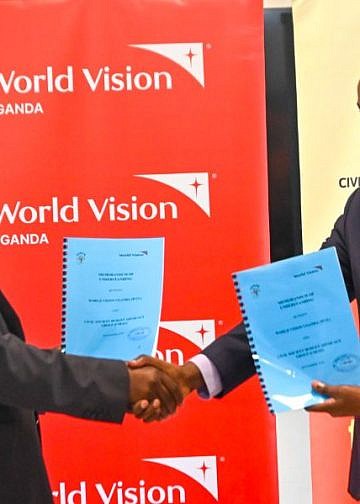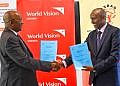








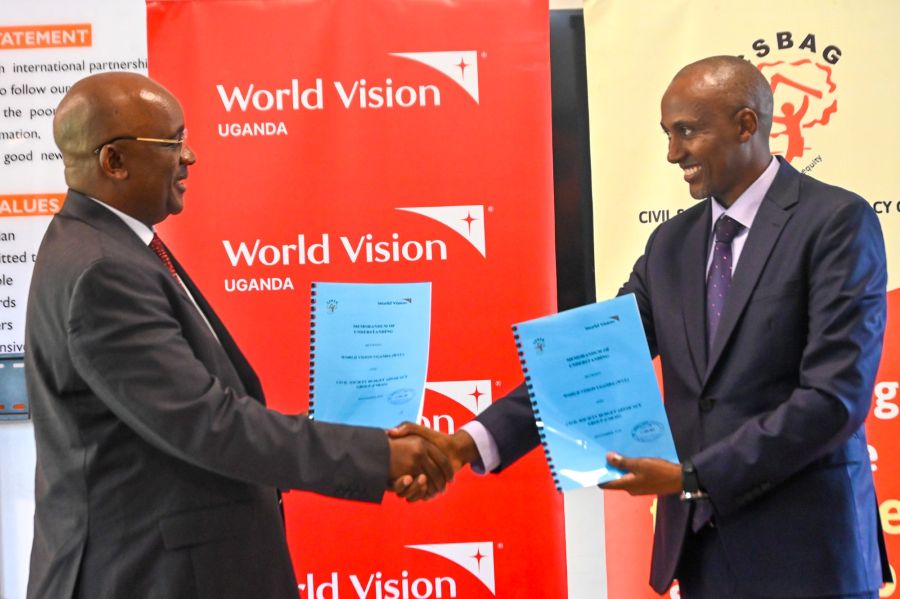
The Civil Society Budget Advocacy Group (CSBAG) and World Vision Uganda have signed a Memorandum of Understanding (MoU) to promote equitable public spending, strengthen accountability and advocate for improved service delivery, particularly for vulnerable communities across Uganda.
The agreement, signed at World Vision Uganda’s head offices in Kampala, formalises the longstanding collaboration between the two organisations, bringing together expertise in budget analysis, fiscal policy, child well-being and community development to influence national budget priorities.
Through the partnership, the organisations seek to ensure that government spending reflects the everyday needs of families, particularly children, women and young people, while strengthening public participation in decisions concerning the allocation and utilisation of national resources.
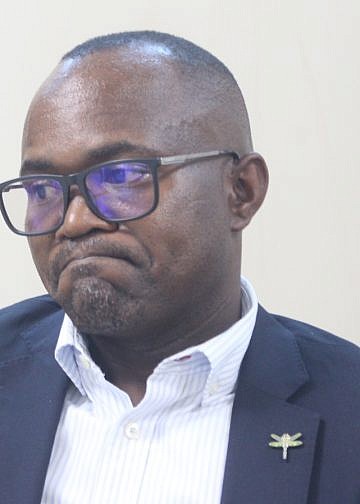
CSBAG Executive Director Julius Mukunda said economic growth must translate into tangible improvements in the lives of ordinary Ugandans.
“Economic growth must translate into better service delivery. This partnership is about making sure every shilling collected and spent improves lives, particularly for those who need it most,” Mukunda said.
He called on government to prioritise adequate and predictable financing for essential social sectors, including health, education and social protection.
Mukunda also emphasised the need to align national development commitments with annual budget allocations, protect critical social sector investments from disproportionate expenditure cuts and ensure public spending responds to the actual needs of communities.
The partnership comes amid growing concerns about the sustainability of public financing and the country’s ability to deliver essential services despite its ambitious economic transformation agenda.
While welcoming government investments under the Ten-Fold Growth Strategy, National Development Plan IV and Vision 2040, the organisations warned that rising public debt and weak budget execution continue to put pressure on critical social services.
Debt servicing is projected to reach Shs 33.6 trillion in FY2026/27, more than double the Shs 13.5 trillion allocated to Human Capital Development.
Uganda’s tax-to-GDP ratio, estimated at 13.4 per cent, also remains below the 15 per cent benchmark, highlighting the need to strengthen domestic revenue mobilisation to finance national development priorities.
The organisations further raised concerns about climate financing, noting that fewer than one per cent of climate-related expenditures are tracked through dedicated budget codes, making it difficult to monitor investments and assess government commitments towards climate resilience.
In education, the figures highlighted by the partners indicate that 48 per cent of pupils drop out before completing primary school, while approximately 4.2 million young people are neither in education, employment nor training.
World Vision Uganda National Director Jeremiah Nyagah said public resources must reach communities and respond to the needs of children and other vulnerable populations.
“Every child deserves a future of hope, and that begins with public resources reaching every community. We believe in a God who cares for the vulnerable, and we are committed to standing with government and citizens to ensure budgets respond to their needs and protect them,” Nyagah said.
He called for stronger alignment of budget allocations with established service delivery standards, systematic monitoring of compliance and improved accountability to ensure public financing meets minimum requirements for quality, accessible and equitable services.
The two organisations also urged government to broaden the tax base fairly, prioritise financing for climate resilience before disasters occur, link public funding to service quality and measurable results, and fully implement the Budget Discipline and Accountability Charter.
Under the MoU, CSBAG and World Vision Uganda will undertake joint research, strengthen community-led monitoring of public investments, promote equitable resource mobilisation and build the capacity of stakeholders to participate effectively in budget processes.
The partnership will also involve engagement with Parliament, government ministries, local governments and development partners to influence fiscal policy, advocate for improved resource allocation and strengthen accountability in public expenditure.
In addition, the organisations will produce and disseminate citizen-friendly budget information to help the public understand government spending priorities and how fiscal policy decisions affect their livelihoods.
The initiative is expected to strengthen citizens’ participation in public finance management by enabling communities to monitor public investments, identify service delivery gaps and demand accountability from government institutions.
“This is a partnership of evidence and voice. Together, we will amplify what communities experience and bring it to the tables where decisions are made,” Nyagah added.
Through the formalised collaboration, the two organisations aim to ensure that Uganda’s economic growth ambitions are matched by inclusive public spending, stronger institutions and improved access to essential services, particularly for the country’s most vulnerable populations.