










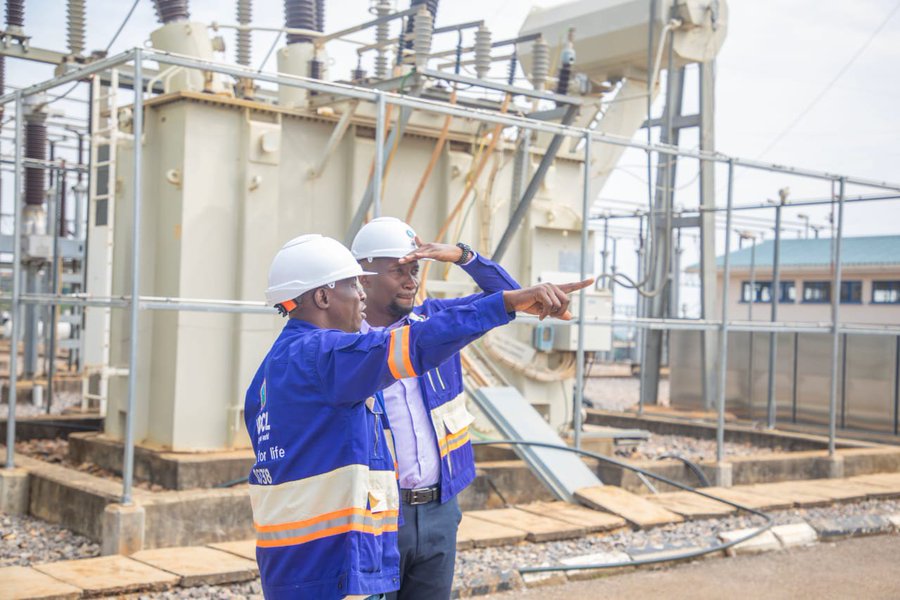
The Uganda Electricity Distribution Company Limited (UEDCL) has commenced a Shs931 million upgrade of the Masaka Central–Masaka West 33kV interconnector in a move aimed at improving electricity supply reliability for more than 130,000 customers across Greater Masaka.
The four-month project involves rehabilitating the existing 7.605-kilometre overhead power line connecting the Masaka West and Masaka Central substations.
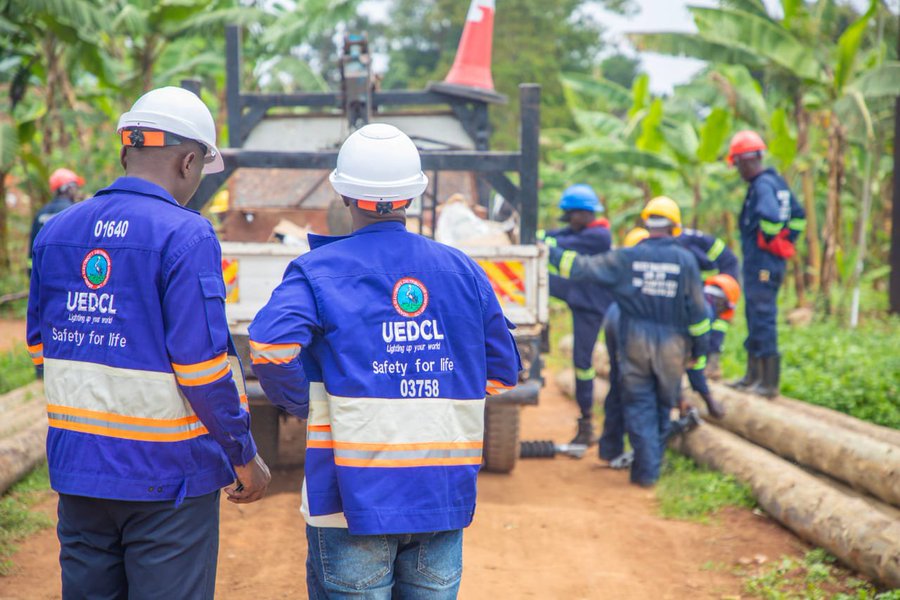
The works include replacing the existing 75mm² overhead conductors with larger 150mm² conductors, upgrading underground cables, replacing more than 70 deteriorated poles and installing improved current transformers to strengthen the line’s protection systems.
UEDCL will also replace the existing 150mm² underground cables along a 190-metre section with larger 300mm² cables. Concrete poles will be installed in swampy areas to improve the durability and stability of the infrastructure.
The upgrade is intended to address recurring electricity supply interruptions in Greater Masaka, where increasing demand from households, businesses and industrial consumers has placed pressure on the existing distribution network.
Speaking at the commencement of the works, UEDCL Territory Manager for Greater Masaka, Benjamin Busingye, said the ageing and overloaded interconnector was responsible for a significant proportion of electricity interruptions in the area.
“This interconnector contributes approximately 90 per cent of the interruptions we experience on our medium-voltage network in Masaka. Out of every ten interruptions, about nine are associated with this line. Refurbishing it is therefore a major intervention towards improving the reliability of electricity supply for our customers,” Busingye said.
He noted that electricity demand in Greater Masaka had more than doubled over the past seven years, rising from approximately 15MVA to more than 30MVA, making the upgrade necessary to accommodate the region’s growing energy requirements.
UEDCL Senior Territory Engineer for Greater Masaka, Eng. Bruce Kizito, said the existing 75mm² conductor had a carrying capacity of approximately 20MVA, which was no longer sufficient to meet growing demand.
“We are upgrading the conductor from 75mm², which can carry up to 20MVA, to 150mm², which will increase the line’s capacity to approximately 30MVA. This will enable us to accommodate the growing electricity demand in Greater Masaka,” Kizito said.
He added that the associated underground cables were also being upgraded to ensure the entire interconnector could accommodate the increased capacity.
The project is expected to benefit electricity consumers in Masaka City and the districts of Masaka, Kalungu, Bukomansimbi, Kalangala, Kyotera and Sembabule, as well as parts of Mpigi District, particularly Kayabwe and Buwama.
UEDCL plans second interconnector
In addition to refurbishing the existing line, UEDCL is pursuing plans to construct a second interconnector between the Masaka West and Masaka Central substations.
The proposed line will provide an alternative electricity supply route, allowing power distribution to be switched between the two interconnectors whenever one experiences a fault or requires maintenance.
The additional connection is expected to strengthen the resilience of the distribution network, reduce the duration of outages and minimise disruptions to customers.
The refurbishment works are scheduled for completion by the end of January 2027, while the second interconnector forms part of the company’s wider plans to strengthen electricity distribution infrastructure in the region.
UEDCL has also urged customers and members of the public to protect electricity infrastructure and report cases of vandalism or suspicious activity around power installations.
The company warned that the theft and destruction of electricity equipment undermine efforts to improve supply reliability and increase the cost of maintaining the distribution network.
The investment is part of UEDCL’s broader programme to upgrade ageing electricity infrastructure, accommodate rising demand and improve power supply to households, businesses and industries across its service areas.