







Government has directed the National Bureau for NGOs to lift the suspensions of 10 non-governmental organisations within two weeks following a review of cases involving organisations whose operations were halted over alleged activities contrary to their mandates.
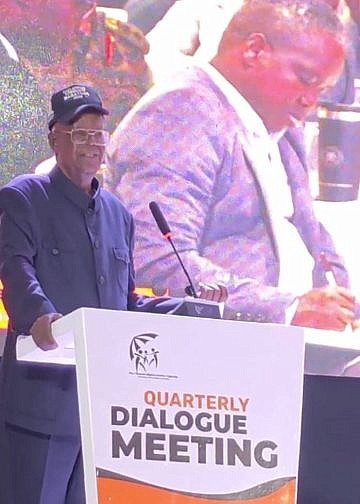
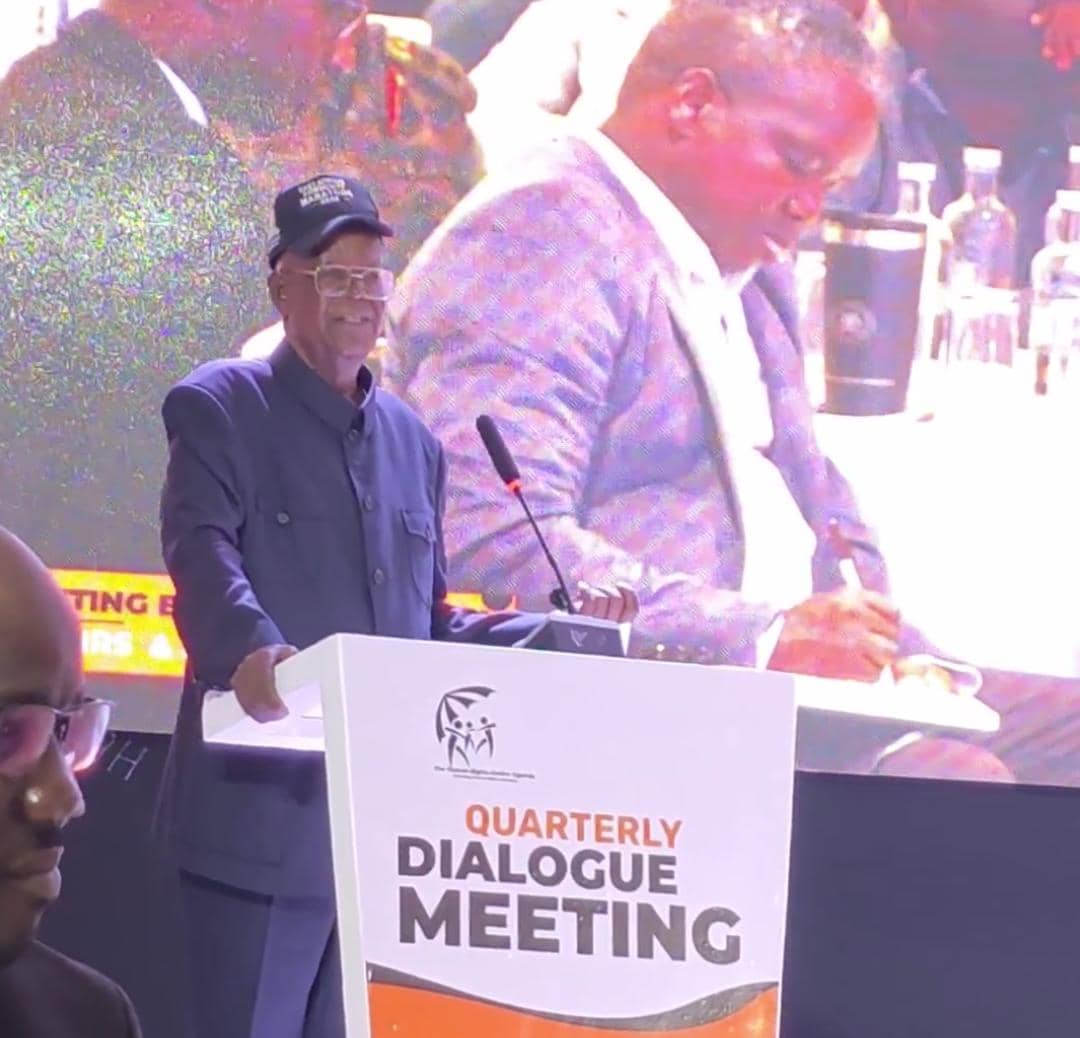
The directive was announced by the Minister of Internal Affairs, Ephraim Kamuntu, during a quarterly dialogue meeting involving the ministry, government ministries, departments and agencies (MDAs), and leaders of non-governmental organisations.
Kamuntu said the decision followed an individual assessment of the affected organisations, emphasising that the suspensions would not be lifted through a blanket decision but on a case-by-case basis.
“There were intelligence reports about some of the activities which were contrary to their mandate, and the activities were banned. I came into the ministry and found that situation. I have reviewed it case by case. It’s not a blanket decision,” Kamuntu said.
He revealed that 10 organisations had so far been identified for reinstatement following the review, with the process expected to be completed within two weeks.
“Those whose cases have been reviewed and it has been found that whatever misunderstanding there was can be sorted out, I have said within two weeks, those whose cases have been reviewed and found that the suspension can be lifted, it will be lifted. There were 10 in number,” he said.
Kamuntu expressed optimism that the affected organisations would resume their normal activities once the outstanding issues had been addressed.
The review follows the suspension of several NGOs on January 12, 2026, a decision that disrupted the operations of organisations involved in various public-benefit activities across the country.
State Minister for Internal Affairs Juma Witonze said the dialogue meeting had reached a consensus on outstanding issues, emphasising the need for NGOs to operate within Uganda’s legal and regulatory framework.
Witonze said he had highlighted the importance of patriotism, respect for Uganda’s sovereignty, accountability and compliance with national laws.
He maintained that NGOs should operate as genuine partners in national development rather than as instruments for advancing external interests.
The minister also called for constructive engagement between government and civil society organisations, urging authorities to provide clear regulatory guidance and a predictable operating environment.
Among the resolutions reached at the meeting was a directive for the National Bureau for NGOs to individually review the suspended organisations and facilitate the reinstatement of those whose outstanding compliance issues had been resolved within the two-week period.
The government’s announcement was welcomed by civil society leaders, who said the suspensions had disrupted service delivery, affected organisational finances and undermined activities intended to benefit communities.
Yona Wanjara, Executive Director of the Civic Advisory Hub, commended the decision, arguing that NGOs should be recognised as development partners rather than treated with suspicion.
“We have chosen trust as a new currency in the governance of the NGO sector. We have chosen engagement over suspicion, learning over lecturing, and partnership over policing,” Wanjara said.
He urged government to translate its commitments into practical action by restoring an enabling environment in which NGOs can operate effectively.
Margaret Sekajja, Executive Director of the Human Rights Centre Uganda, said the suspensions had brought several critical public-benefit activities to a standstill, leaving some organisations struggling to meet their financial obligations.
“Some organisations cannot pay their office rent or salaries for their staff. They cannot carry out the activities for which they received funding, yet those activities are meant to benefit the public. Everything has come to a standstill,” Sekajja said.
She welcomed the government’s decision to review the suspensions, saying it offered affected organisations an opportunity to resolve outstanding issues and resume their activities.
The two-week review is expected to determine which of the suspended organisations qualify for reinstatement and can return to normal operations.
The outcome is likely to be significant for Uganda’s civil society sector, particularly organisations involved in human rights advocacy, community development, service delivery and other public-benefit activities.