






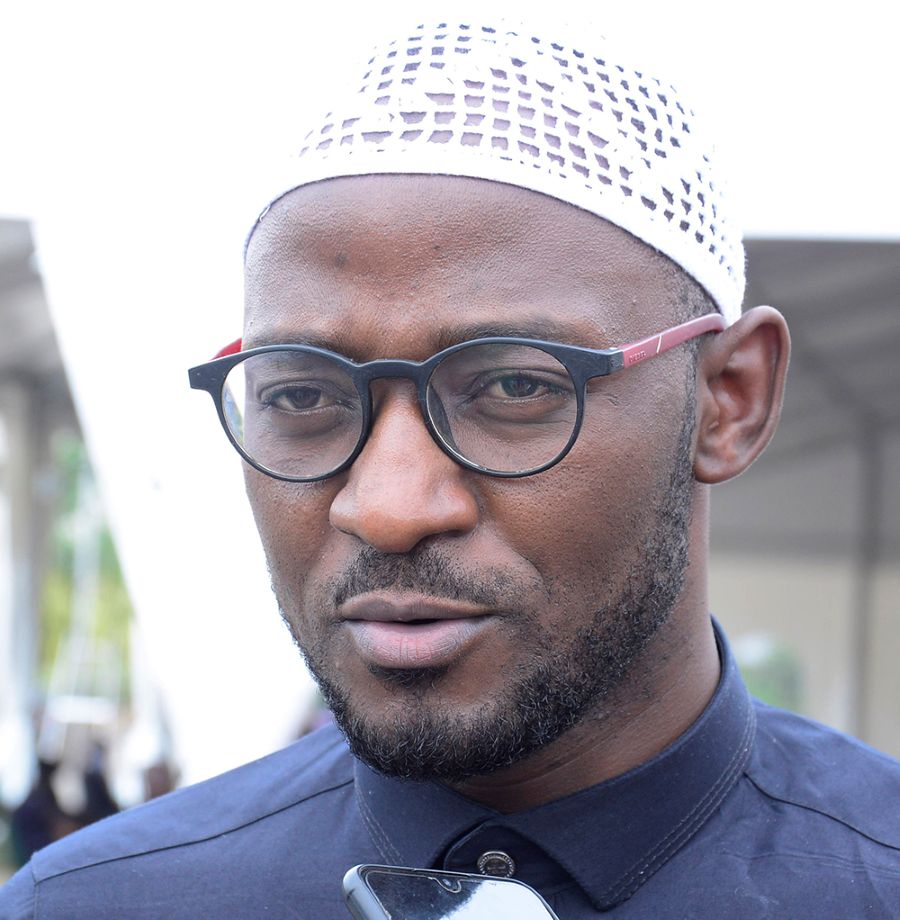
The Muslim Parliamentary Caucus has criticised President Yoweri Museveni’s latest appointments of permanent secretaries, raising concerns over what it describes as inadequate Muslim representation in senior government positions.
The caucus chairperson, Hassan Kirumira, who represents Katikamu South, said the appointments had sparked concern among members of the Muslim community, who believe their faith has been sidelined in the distribution of senior public offices.
Kirumira said he had received several calls from Muslims questioning why their community appeared to have been left out of the latest changes, particularly following the redeployment of former Information and Communications Technology (ICT) Permanent Secretary Dr Aminah Zawedde.
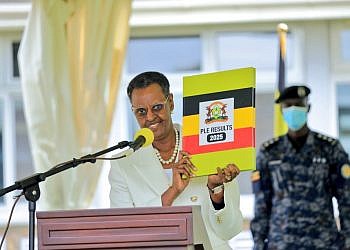
Zawedde, who previously served as the accounting officer at the Ministry of ICT, was transferred to the Office of the Prime Minister (OPM), where she will oversee Coordination.
“Do we have Muslims in this country? Are they supposed to be represented in leadership positions?” Kirumira asked, questioning what he described as the apparent lack of Muslim representation in the new appointments.
He argued that appointments to senior government positions should reflect Uganda’s religious and regional diversity, saying leadership must accommodate all sections of society.
“As a leader, we expect him to be very inclusive when exercising that mandate, because inclusivity is part and parcel of leadership,” Kirumira said.
He added that the absence of an identifiable Muslim representative in the latest list had prompted questions about whether the community had been adequately considered during the appointment process.
“If you look at the list which was presented yesterday by the President, a lot has been questioned. I’ve been getting calls from the Muslim community on what happened to the Muslims in this country,” he said.
However, Kirumira said he had not yet assessed the representation of other religious denominations and intended to establish whether the concerns extended beyond the Muslim community.
“I am here to investigate whether there is a balance in other religious denominations. But of course, as leaders, it is our role to question when that happens,” he said.
He warned that failure to embrace inclusivity in government appointments could leave sections of the population feeling excluded from national leadership.
“When inclusivity is not brought on board in leadership, it affects each and every community we live in,” Kirumira said.
He called on Museveni, whom he referred to as the Fountain of Honour, to consider religious and regional balance when making future appointments to senior government positions.
Museveni announced changes involving permanent secretaries and other senior public officers on Monday, November 9, 2026.
Under the changes, 16 officials were retained, 11 redeployed, 11 retired and 13 new officials appointed to various government positions.
The appointments have since attracted attention over questions of representation, diversity and inclusivity in Uganda’s public service leadership.