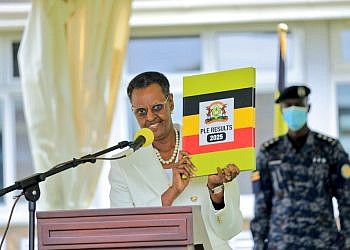











Child rights advocacy group High Sound for Children has backed concerns raised by the Minister of Education and Sports, Janet Museveni, over the declining number of boys completing primary education, warning that Uganda may be facing a new and under-examined gender imbalance in schooling.
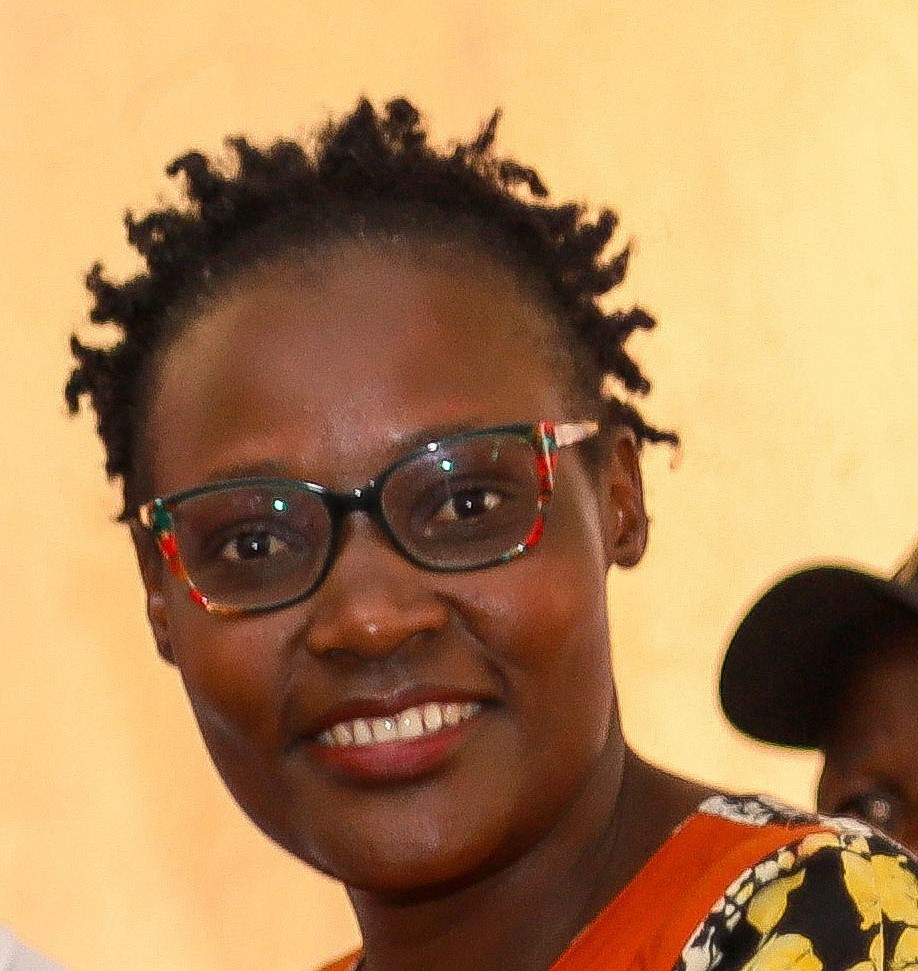
In a statement released by the organisation’s Executive Director, Hadijah Mwanje, the group noted that while increased completion rates among girls signal the success of long-term investments in girls’ education, emerging trends affecting boys require urgent and evidence-based attention.
According to recent education data, 389,469 boys, representing 47.6 per cent, completed primary education compared to 428,324 girls (52.4 per cent).
A similar pattern was recorded in 2024, when 52.5 per cent of girls completed the primary cycle compared to 47.5 per cent of boys.
Mwanje said the figures raise critical questions about whether fewer boys are entering the system or whether higher dropout rates are driving the disparity.
“As the Minister rightly notes, it is critical to establish whether this trend is demographic in nature or indicative of increasing dropout among boys,” Mwanje said.
Based on its work with schools and communities, High Sound for Children pointed to a number of factors that may be pushing boys out of school earlier than their female counterparts. These include child labour demands, early engagement in income-generating activities, peer pressure, substance abuse, the lack of male teachers in lower primary levels, and social expectations that discourage boys from sustained academic engagement.
The organisation acknowledged that deliberate policy focus and programming aimed at girls’ education have produced tangible gains. However, Mwanje cautioned against viewing these gains in isolation.
“This progress should not be reversed. Instead, it should inspire a balanced, data-driven approach that ensures no child — boy or girl — is left behind,” she said.
High Sound for Children has called on education authorities and stakeholders to undertake a comprehensive review of enrolment, attendance and completion data, disaggregated by sex, region and socio-economic background. The group also urged qualitative studies to better understand the lived realities of boys who drop out or are at risk of leaving school prematurely.
In addition, the organisation recommended strengthening school-based mentorship and psychosocial support programmes, alongside community-level interventions to challenge harmful norms and reinforce the value of education for all children.
Mwanje stressed that achieving education equity requires responding to emerging gaps with the same urgency once applied to long-standing gender inequalities.
High Sound for Children reaffirmed its willingness to work with the Ministry of Education and Sports, development partners, schools and communities to ensure that every child in Uganda not only enrols in school but completes the primary education cycle with dignity, confidence and opportunity.