











Iran Faces Worst Water Crisis in Decades as Heatwave Pushes Temperatures Past
As Iran swelters under an unforgiving heatwave, authorities have sounded the alarm over critical water shortages, urging residents to drastically curb consumption to prevent widespread supply disruptions.
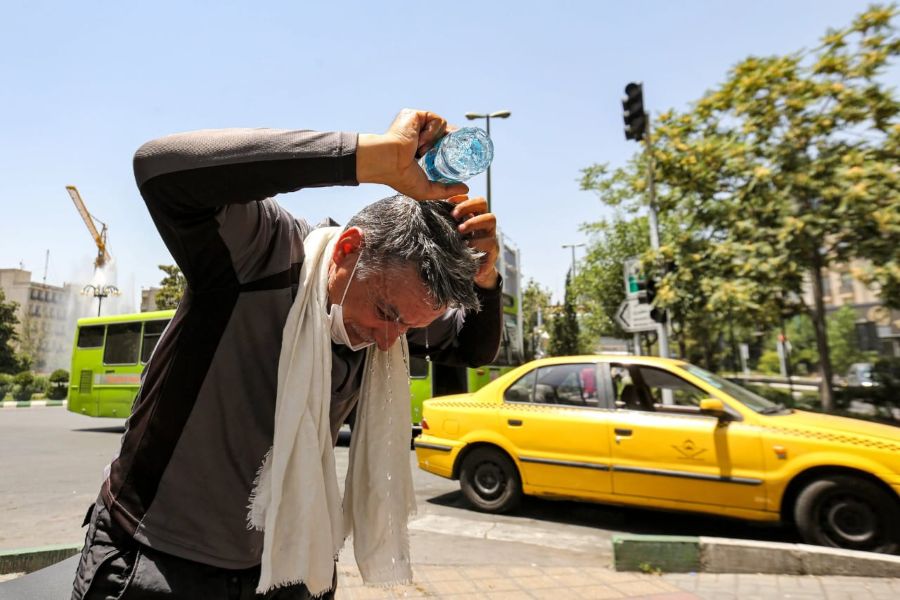
With temperatures soaring beyond 50 degrees Celsius (122°F) in some southern provinces, the country is experiencing what meteorologists say is its hottest week of the year so far.
In the capital, Tehran hit 40°C (104°F) on Sunday, with forecasts predicting further spikes to 41°C (106°F) by Monday.
The extreme conditions have forced the government to take unprecedented measures.
Tehran province will observe a public holiday on Wednesday, a decision made to reduce pressure on both water and electricity supplies.
“In light of the continued extreme heat and the necessity of conserving water and electricity, Wednesday … has been declared a holiday in Tehran province,” government spokesperson Fatemeh Mohajerani announced via a post on X.
Across Iran, authorities are echoing urgent appeals for conservation as reservoirs hit record lows.
“The reservoirs of the dams supplying water to Tehran are currently at their lowest level in a century,” the capital’s water management company revealed in a stark warning, calling for residents to reduce water usage by at least 20 percent.
The spiraling crisis has not spared the capital. Tehran city council chair Mehdi Chamran urged citizens to act swiftly: “Conserve water to avoid drops in supplies.”
Experts attribute the crisis to a combination of climate change, mismanagement, and years of overexploitation of groundwater a triple threat that has left many regions, particularly the country’s arid south, on the brink of water collapse.
Energy Minister Abbas Aliabadi issued a public apology on Sunday for the diminished water supplies, acknowledging the frustration it has caused while emphasizing the need for responsible usage. “The move comes to better manage resources,” he said.
The latest emergency adds to mounting concerns about Iran’s long-term water security.