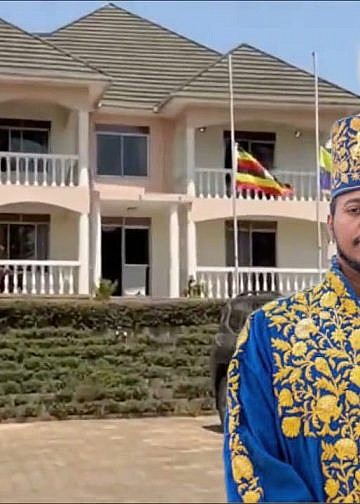







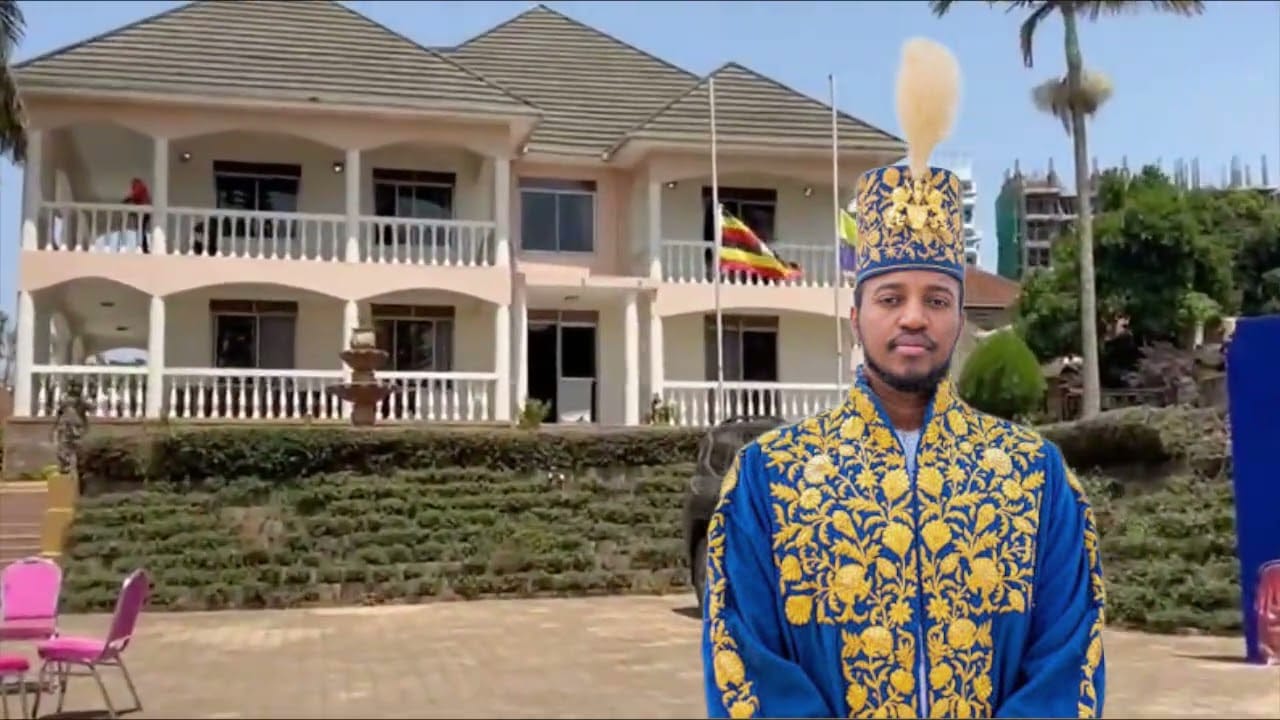
The former Kampala residence of the late Tooro King Oyo Nyimba Kabamba Iguru Rukidi IV in Buziga is set to be transformed into a museum as his family and associates move to preserve his personal history, royal collections and cultural legacy.
The proposed museum will form part of a two-site heritage project under the King Oyo Foundation, with the main facility planned for Kitumba in Fort Portal, Tooro.
The Buziga property will preserve the late king’s personal belongings, photographs, royal regalia and other historical collections, while the Fort Portal museum is expected to showcase a wider collection of Tooro’s cultural heritage and promote tourism in the region.
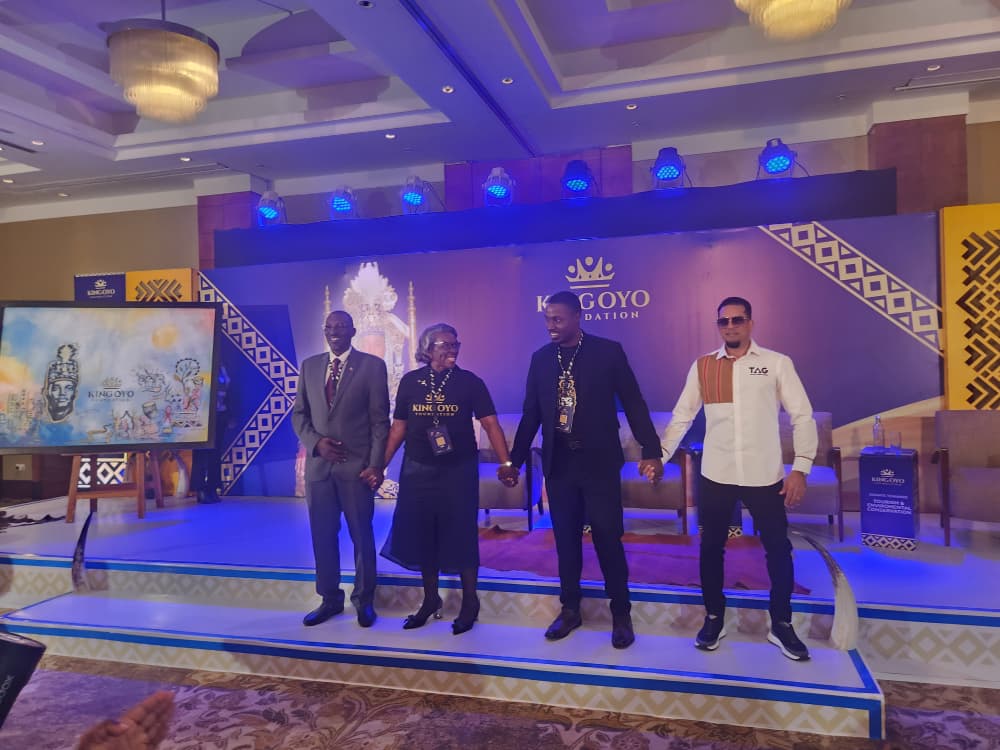
The plans were unveiled on Monday, November 16, 2026, during a press conference at Sheraton Kampala Hotel, where the family and associates also announced that the King Oyo Foundation would be officially launched on December 15 at Speke Resort Munyonyo.
Steven Nyabongo Rwakijuma, the foundation’s Chief Executive Officer and former Tooro Prime Minister, said establishing the museums was among the initial steps towards ensuring that the late king’s life and contributions were documented for future generations.
“One thing we are beginning with is the museum. We will have two museum sections, one at his home in Buziga and the other in Tooro, to boost tourism,” Rwakijuma said.
He explained that the project would go beyond displaying photographs and royal artefacts to document the late monarch’s life, leadership and contribution to Tooro.
“The museum will be much more than a building containing photographs, royal artefacts and historical records. It will be a living institution of memory, identity, learning and inspiration,” he said.
Rwakijuma said the collection would document King Oyo’s journey from childhood to his reign, including the responsibilities he assumed, challenges he encountered and the people who influenced his life.
“Through photographs, personal collections, historical documents, speeches, audiovisual recordings and carefully preserved accounts of his life, we intend to make His Majesty’s story accessible for future generations,” he said.
The foundation also intends to incorporate digital technology and interactive exhibitions to make the historical collections accessible to younger generations and visitors who may not be able to visit the physical museums.
“We want younger people who never had the opportunity to meet King Oyo to feel inspired by his story. We want them to understand that leadership is not merely about titles and privileges, but about responsibility, compassion, courage and service,” Rwakijuma said.
Buziga palace to serve as gateway to Tooro
Ali Alibhai, a foundation board member responsible for partnerships, events and marketing, said the Buziga facility would serve as an introduction to the main museum in Fort Portal and other tourism destinations across Uganda.
He described the museum project as the foundation’s flagship initiative, around which other programmes would be developed.
“Our flagship project is going to be the museum, and every other initiative will rotate around the museum,” Alibhai said.
He said the Buziga property held historical significance because it was the late king’s residence and contained personal collections that could provide insight into his life.
“King Oyo was residing in Buziga, and where the king resides is a palace. It cannot be a residence or home. We want to utilise it. We don’t want to abandon or sell it off because he is no more. We want to utilise it as an additional cultural asset,” he said.
According to Alibhai, visitors to the Buziga museum would be introduced to the history of the late king and the wider cultural attractions awaiting them in Tooro.
“When you go to Buziga, you will get all the information on why you should visit the museum in Fort Portal. It will just introduce you to what is in the museum in Fort Portal,” he said.
The main museum is expected to extend beyond the history of the late monarch to include Uganda’s broader cultural heritage, traditional practices, historical sites, local cuisines and geographical attractions.
Alibhai said the project was intended to address what he described as an underdeveloped area of Uganda’s tourism industry, particularly the commercial potential of cultural heritage.
“We want to promote cultural tourism in the country. This country has a rich cultural heritage which has not been developed. The potential is great, but nobody has bothered to develop it,” he said.
He added that the foundation intended to work with communities and local entrepreneurs to identify cultural attractions and develop them into tourism opportunities, particularly for young people.
Beyond the museum project, the King Oyo Foundation plans to undertake programmes in youth empowerment, health, agriculture and environmental conservation.
Alibhai said youth programmes would focus on skills development and preparing young people for employment opportunities in emerging sectors.
He also identified HIV and other health challenges affecting young people as areas requiring attention, saying the foundation intended to support initiatives aimed at protecting future generations.
In agriculture, the foundation plans to build on the late king’s model farm initiative by promoting demonstration farms where communities can learn practical approaches to crop production and livestock management.
Alibhai said the demonstration farms would provide farmers with opportunities to acquire skills and improve their agricultural practices while complementing existing government programmes.
The proposed initiatives are expected to extend the foundation’s work beyond heritage preservation into community development and economic empowerment.
Family seeks to preserve King Oyo’s legacy
Former Tooro Kingdom Minister of Tourism Joan Kantu Adyeri said the museum project reflected an ambition the late king had repeatedly expressed during his reign: ensuring that Tooro’s cultural and tourism assets were preserved for future generations.
She recalled his interest in promoting the kingdom’s attractions through royal tourism tours, including visits to the hot springs, Kibale, Bwindi and the Rwenzori Mountains.
“As a minister of tourism, there were so many things because my King Oyo loved tourism from his heart. Tourism and conservation were some of the things that every minister could talk about, and you would see that every time he talked about them, he was joyful,” Adyeri said.
She said the late monarch often focused on long-term development and the opportunities that could be created for generations that would come after him.
“For the people who knew the king, it was a privilege because he never talked about today. He always talked about the future. He always talked about the children, his grandchildren. That is why the King Oyo Foundation is this important to us,” she said.
Adyeri added that the museum would combine traditional collections with modern technology, allowing people unable to visit the facilities physically to access information about the kingdom’s history online.
Family dismisses fears of divisions
Prince Patrick Mpuuga Akiiki, who represented the royal family at the press conference, said the foundation was intended to turn the grief surrounding the late king’s death into initiatives that would have a lasting impact on society.
He said the family supported the initiative because it would preserve King Oyo’s values and development agenda while promoting peace and unity.
“Instead of continuously mourning and grieving, we want to translate this into something that will bring purpose and meaningful, lasting impact to the lives of many of us,” Mpuuga said.
He dismissed suggestions that establishing the foundation could create divisions within the royal family or conflict with the existing Tooro Kingdom institutions.
“This is not in any way intended to cause division. We intend to work with very many stakeholders, including the kingdom, the government, among others,” he said.
Mpuuga said the family was committed to advancing the late king’s legacy through cooperation and engagement with other members of the royal family and relevant institutions.
Rwakijuma similarly emphasised that the foundation would not operate as a political organisation or an alternative to the Tooro Kingdom.
He said its work would complement existing institutions and respect the kingdom’s traditions, leadership and structures.
“We seek cooperation, not competition. We seek partnership, not confrontation. We seek to complement the work of existing institutions, not replace them,” Rwakijuma said.
He added that the foundation would be open to people who supported the late king’s legacy and the causes he championed, irrespective of their political, social or geographical backgrounds.
The King Oyo Foundation will be patroned by President Yoweri Museveni, with Rwakijuma serving as Chief Executive Officer.
Its board will include Alibhai, Prince Patrick Mpuuga Akiiki and Adyeri, alongside more than 13 other members.
Rwakijuma said the foundation would operate as an independent institution under a board of directors, with professional governance structures intended to ensure accountability and sustainability.
He credited Queen Mother Best Kemigisha with initiating the idea of the foundation, adding that she would remain its founder.
The foundation’s official launch is scheduled for Tuesday, December 15, 2026, at Speke Resort Munyonyo in Kampala, with President Museveni expected to attend as guest of honour.
A separate launch ceremony will also be organised in Tooro, although the date and venue have not yet been announced.
Members of the public interested in attending the launch, volunteering or supporting the foundation can register through its official website, www.kingoyofoundation.org.
The foundation says its broader mission will centre on preserving King Oyo’s legacy through cultural heritage, education, tourism, conservation, youth empowerment and health initiatives.