










Kawempe, Kasangati and Kira Chief Magistrates’ Courts are struggling with congestion, staff shortages, unreliable electricity and inadequate equipment, raising concerns about the working conditions of judicial officers and the delivery of justice.
The challenges were highlighted during ad hoc inspections by the Principal Judge, Lady Justice Jane Frances Abodo, who visited the three courts to assess their operations, case management and staff welfare.
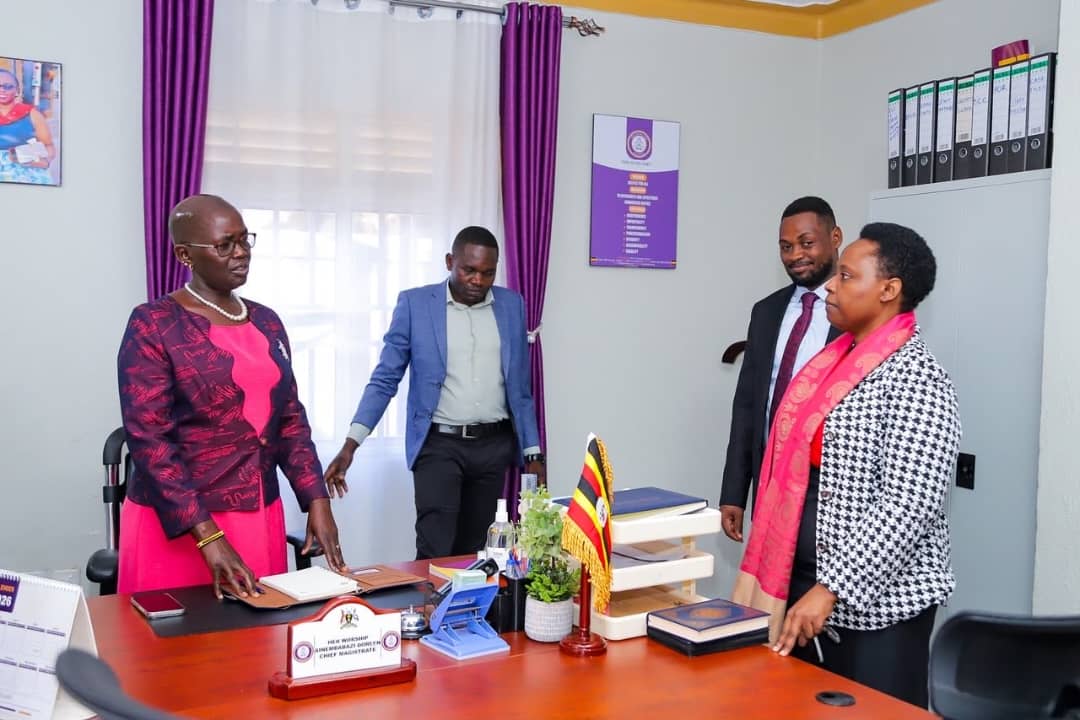
At Kawempe Chief Magistrates’ Court, Chief Magistrate Ainembabazi Doreen told Abodo that each judicial officer was handling more than 350 cases, with the number expected to exceed 400 by the end of November.
She attributed the rising caseload partly to cases transferred from the High Court.
She said the court was using closer case management, mediation, partnerships with legal aid providers and engagement with stakeholders to manage the workload.
However, she raised concerns about inadequate computers, unreliable electricity and the absence of backup power despite repeated requests for assistance. Staff also called for improved security in response to emerging threats.
At Kasangati Chief Magistrates’ Court, Magistrate Fatuma Nabirye cited understaffing and outdated computers, saying the challenges were affecting the court’s ability to effectively use the Electronic Court Case Management Information System (ECCMIS).
She also reported shortages of furniture, storage facilities and adequate waiting space for litigants.
Another magistrate, Caroline Kyoshabire, said poor partitioning of chambers was disrupting court proceedings because sound travelled between rooms whenever two sessions were conducted simultaneously.
She further cited shortages of printers and frequent toner shortages.
Staff also reported that a faulty solar power system had left the court without reliable backup electricity during power outages. They asked for surveillance cameras and screening equipment at the entrance to strengthen security.
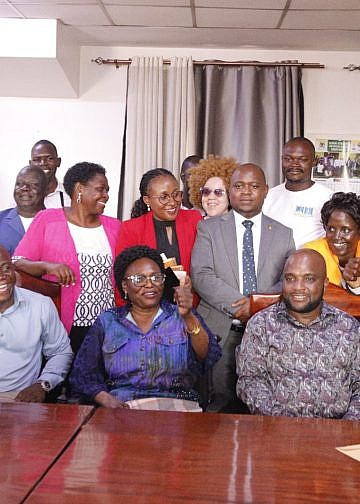
At Kira Chief Magistrates’ Court, Chief Magistrate Shallon Niwaha told the Principal Judge that congestion at the premises had left the court with inadequate space for hearings, waiting areas and parking.
She said the court was identifying alternative, more spacious premises for consideration by the Judiciary.
Niwaha also reported an increasing caseload and growing backlog, partly attributed to files transferred to the station involving matters outside its jurisdiction.
Other challenges included reported incidents of vandalism and inadequate transport for judicial officers conducting court visits to sites involved in disputes.
Magistrate Mftumukiza Moses said slow and intermittent access to ECCMIS was disrupting court operations, while registry responsibilities were adding to judicial officers’ workload.
He proposed incorporating artificial intelligence into ECCMIS to help sort documents according to the action required, which he said could improve efficiency in handling court files.
During the inspections, Abodo commended judicial officers and staff for their dedication despite the challenges, urging them to remain punctual, prioritise their well-being and treat court users with courtesy and professionalism.
She also encouraged judicial officers to sensitise communities about alternative dispute resolution (ADR) mechanisms as a way of resolving disputes outside the conventional court process.
Abodo pledged to follow up on the concerns raised, particularly those relating to salaries, allowances, infrastructure and the equipment required by judicial officers and support staff to execute their duties effectively.