








President Museveni has asked Kampala traders protesting tax enforcement by the Uganda Revenue Authority (URA) to suspend their strike and reopen their shops as the Government prepares to announce its position on the disputed taxes next week.
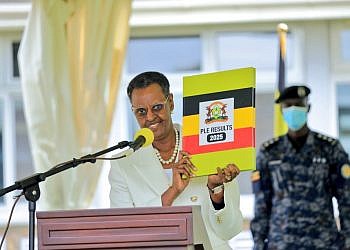
Prime Minister Robinah Nabbanja told Parliament that the President wants traders to resume business while the Government reviews their concerns. She said a clear position would be communicated on Tuesday, November 24, 2026, following a Cabinet meeting.
Nabbanja said the dispute largely centres on taxes imposed on imported textiles and garments, adding that the matter requires Cabinet consideration before the Government presents its position to Parliament.
“The President has requested that the traders suspend the strike and open their shops as we find a solution to the matter,” Nabbanja told MPs.
She added that the Government would provide traders with “a clear answer” after Cabinet considers the matter on Tuesday, November 24.
The Prime Minister said Museveni is also scheduled to meet URA officials and other enforcement agencies on Monday, November 23, to discuss the concerns raised by traders.
Nabbanja acknowledged complaints about what traders describe as inconsistent enforcement by URA teams, with some consignments being released by one team only to be seized again by another at a roadblock.
“One URA team would release a trader’s goods, only for another to seize them again at a roadblock,” she told Parliament.
She said she had directed URA to review the deployment of its enforcement teams to ensure that traders whose goods have been cleared do not face repeated seizures and that consignments are released more quickly.
Nabbanja explained that URA had deployed several enforcement teams after discovering that some traders were paying taxes in Kenya before transporting merchandise into Uganda in smaller quantities. The goods were allegedly concealed as passengers’ luggage on buses or transported using boda bodas and tuk-tuks.
She said the practice was depriving Uganda of tax revenue, prompting the authority to intensify enforcement operations against the traders.
The Prime Minister also clarified that she had not held the planned Thursday meeting with the traders, explaining that her schedule had changed after she went to meet the President and subsequently had to attend Parliament.
“So I have not engaged the traders today,” she said.
However, Deputy Speaker Thomas Tayebwa directed Nabbanja to return to Parliament on Wednesday, November 25, to update MPs on the outcome of her engagement with the traders and the Government’s position following Tuesday’s discussions.
Tayebwa said several concerns remained unresolved and that Parliament needed to hear from the Government after the promised engagement.
“You need to update the House,” Tayebwa told the Prime Minister.
He added that the rules governing Prime Minister’s Time did not provide for debate on the statement, despite the concerns raised by legislators.
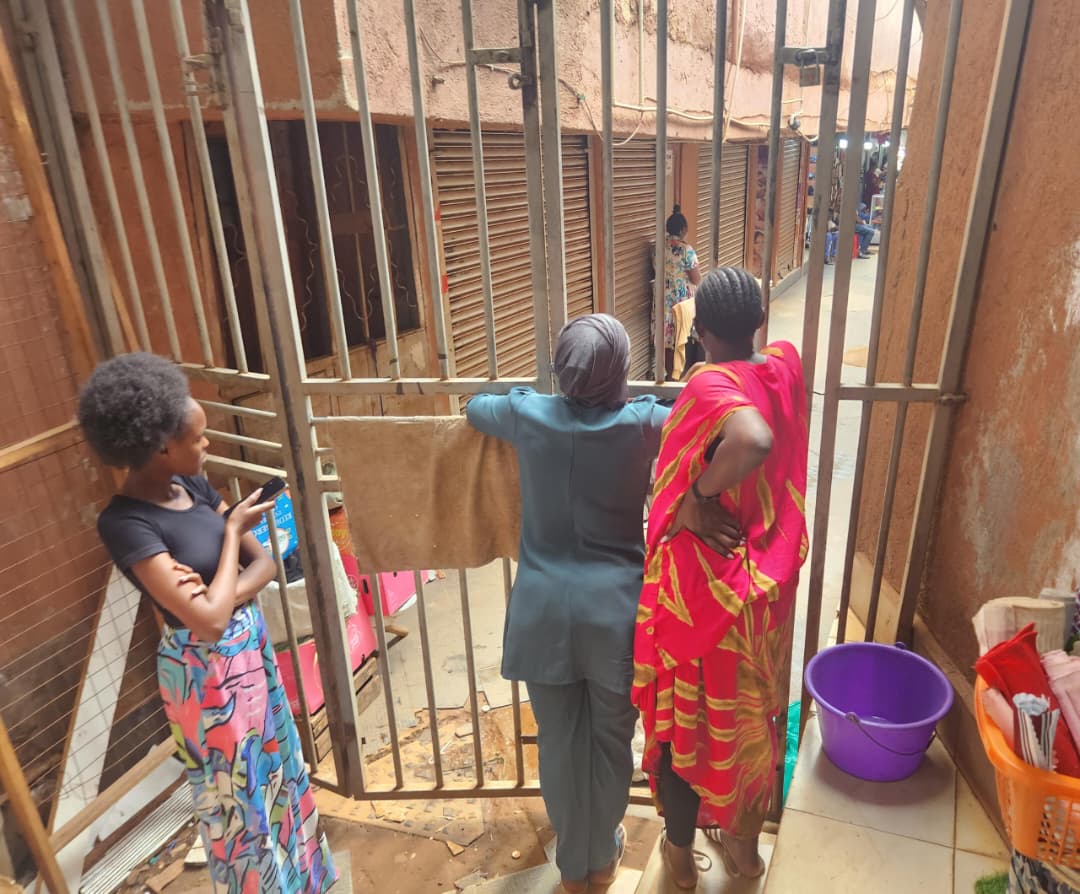
The traders’ strike, which began on Monday, November 16, has disrupted business in parts of Kampala as traders protest URA’s tax assessments and enforcement practices, particularly those affecting imported textiles and garments.