












Health experts have raised concerns over the increasing trend of self-medication among Ugandans, particularly as the country grapples with a growing burden of non-communicable diseases.
They warn that this practice poses serious health risks and are urging the public to seek professional medical advice before purchasing or taking any medication.
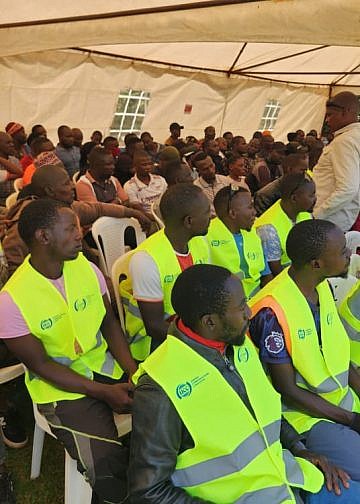
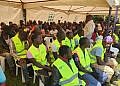
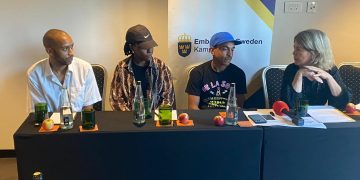
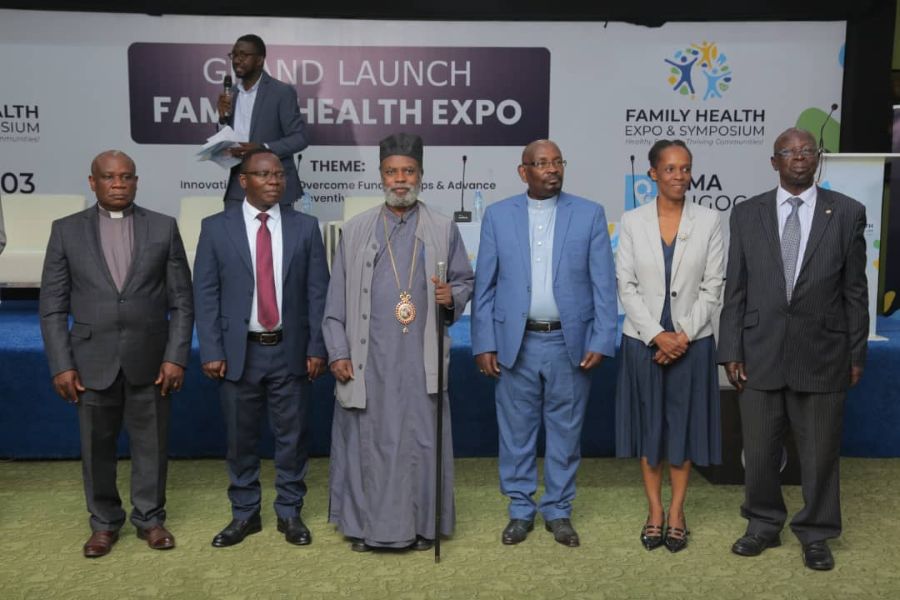
This stern warning was made during the launch of the forthcoming Family Health Expo and Symposium, slated for August 1st to 3rd at UMA Show Grounds in Lugogo.
The Expo, organised by Uganda Healthcare Federation in partnership with the Ministry of Health under the theme “Innovating Health to Overcome Funding Gaps and Advance Preventive Care through the Private Sector”, will be a major platform to address health-related challenges.
Speaking at the official launch of the Family Health Expo, Grace Kiwanuka from Uganda Health Federation highlighted the serious consequences of uninformed self-medication, a practice that surged during the COVID-19 pandemic lockdowns.
“Self-medication has become increasingly problematic. We saw a big spike during the COVID lockdown where a number of people, because they were taking dexamethasone, started to see symptoms of diabetes,” she said.
Kiwanuka explained that such misuse of medicine not only worsens health conditions but also places a heavy financial burden on patients who then require long-term care.
“Once you have diabetes, it’s a lifestyle disease, you’re going to have to manage it on an ongoing basis, which has a cost implication,” she emphasized.
She added that the Federation is now pushing for increased public awareness about the dangers of self-medication and the importance of proper diagnosis, stressing the need for Ugandans to seek professional health advice before purchasing medication.
“One of the biggest concerns we have as the private sector is that people go to the pharmacy and they say what they want to buy, rather than making sure they get a health professional to diagnose them,” she noted.
She called on the public to embrace the growing availability of approved self-test kits from licensed pharmacies and drug shops, which allow for safer, home-based health monitoring and informed treatment decisions.
Kiwanuka also urged people to make the right choices that boost their health, noting that it is not only the role of health experts but a responsibility for all of us.
“We each hold the power over our own health through the choices we make every day, from what we eat to how we rest and move,” she said.
Dr. Timothy Musila, the Assistant Commissioner for Health Services at the Ministry of Health, urged Ugandans to make good diet choices, noting that many preventable diseases are a result of lifestyle choices.
“It’s ironic that many preventable diseases are often a result of our lifestyle choices. Simple changes like balanced diets, regular exercise, and healthy habits can make a huge difference,” he said.
He added that in ensuring people live healthier lives, the Ministry of Health is bringing together people with different skills working collaboratively to strengthen the health space.
“Today is about uniting diverse skills and working together to improve healthcare in our country.”
His Eminence Metropolitan Jeronymos Mzee, who represented the Inter-Religious Council of Uganda (IRCU), hailed the Uganda Healthcare Federation for this initiative, noting that health is a constitutional matter that must be taken seriously as the country still recovers from COVID-19.
He called upon stakeholders to use the Expo as a platform to promote a health culture that empowers individuals to take control of their health.
“Let us utilize this Expo and Symposium to promote and nurture a culture of health promotion that empowers individuals and communities to take control of their own health and improve well-being,” the Archbishop said.
The Archbishop also called upon the government to establish a National Health Insurance Scheme. He hailed private sector actors who support the government in ensuring the provision of health services.
“We call upon the government of Uganda to re-consider increasing investment in the health sector with major focus on preventive and community health care including establishing a National Health Insurance Scheme.”
The three-day event will feature a variety of activities, including physical wellness engagements, and will bring together health experts and policymakers to discuss sustainable strategies for health system strengthening. Entry to the Expo will be free and open to the general public.
With the health sector receiving only 6.1% of the national budget far below the 15% Abuja Declaration benchmark, Health Experts stressed the urgent need for innovation, private sector involvement, and a more informed public in order to close the health access gap.