









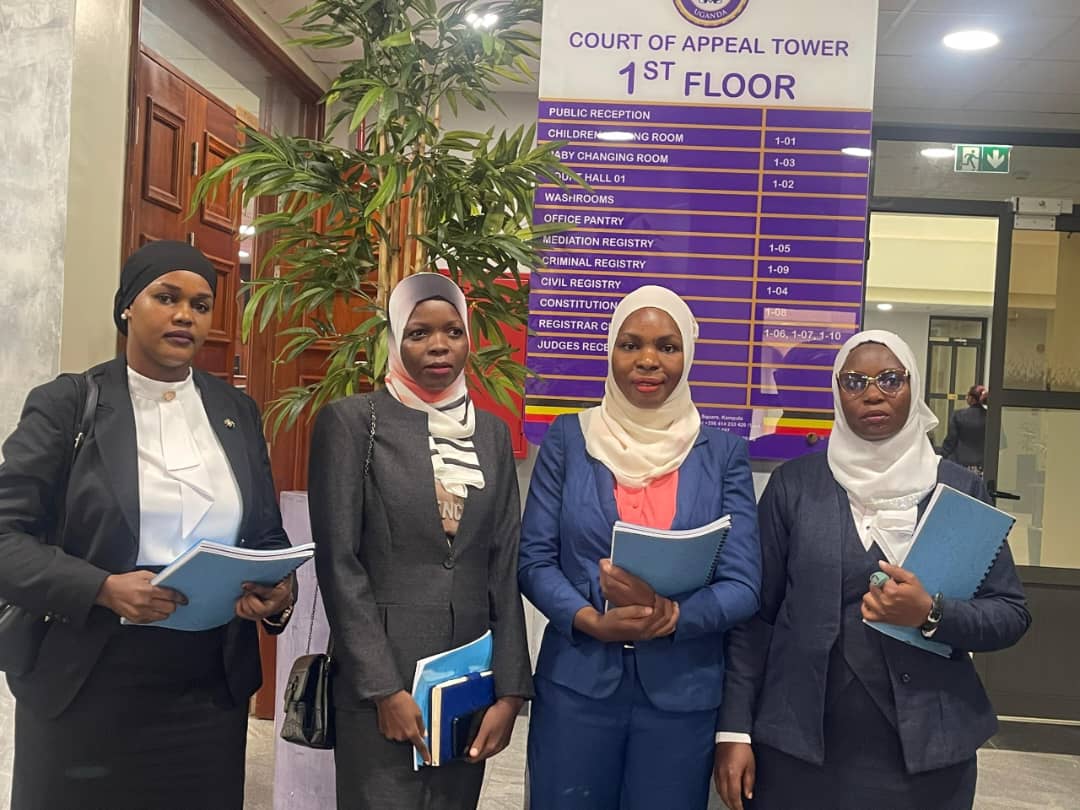
A group of Muslim women has dragged the government to court, seeking changes to Uganda’s abortion law which they say unfairly denies them reproductive rights allowed under Islam.
The case, filed by Gimbo Hajira, Mutesi Zaituna, and the Islamic Women’s Initiative for Justice, Law and Peace (IWILAP), targets Sections 130, 131, and 207 of the Penal Code Act, Cap 128. These provisions criminalize abortion except in limited circumstances, with no allowance for cases of rape, incest, or threats to a woman’s mental health.
The petition, lodged against the Attorney General, argues that the law clashes with Articles 29(1)(c) and 37 of the Constitution, which protect freedom of religion and cultural practice.
According to the petitioners, Islamic teachings permit abortion in carefully defined cases, particularly within the first 120 days of pregnancy — a period before “ensoulment” in Islamic belief.
“The law disregards both our faith and our dignity. Refusing abortion in cases of rape, incest, or mental illness puts women at risk and strips them of choices permitted under Islamic jurisprudence,” the women told court in their filing.
The petition seeks a declaration that abortion carried out under such exceptions should be lawful, and calls on Parliament to amend the Penal Code to protect both women and medical practitioners operating within those limits.
The petitioners also rely on Uganda’s international commitments under the Convention on the Elimination of All Forms of Discrimination Against Women (CEDAW). In its 2022 review, CEDAW urged Uganda to align its laws with global standards by permitting abortion in cases of rape and incest.
Highlighting regional precedents, the petition notes that Tunisia allows abortion within the first trimester, Rwanda permits it in cases of rape or incest, while Zimbabwe’s courts have invalidated strict prohibitions in similar circumstances.
By bringing the petition, the Muslim women say they are not only defending religious freedoms but also pushing for laws that protect women’s health, dignity, and cultural values.
The Constitutional Court is yet to set a hearing date.