







Parliament has passed the Building Control (Amendment) Bill, 2025, introducing some of the toughest penalties yet against illegal construction as part of sweeping reforms to improve safety and accountability in the construction sector.
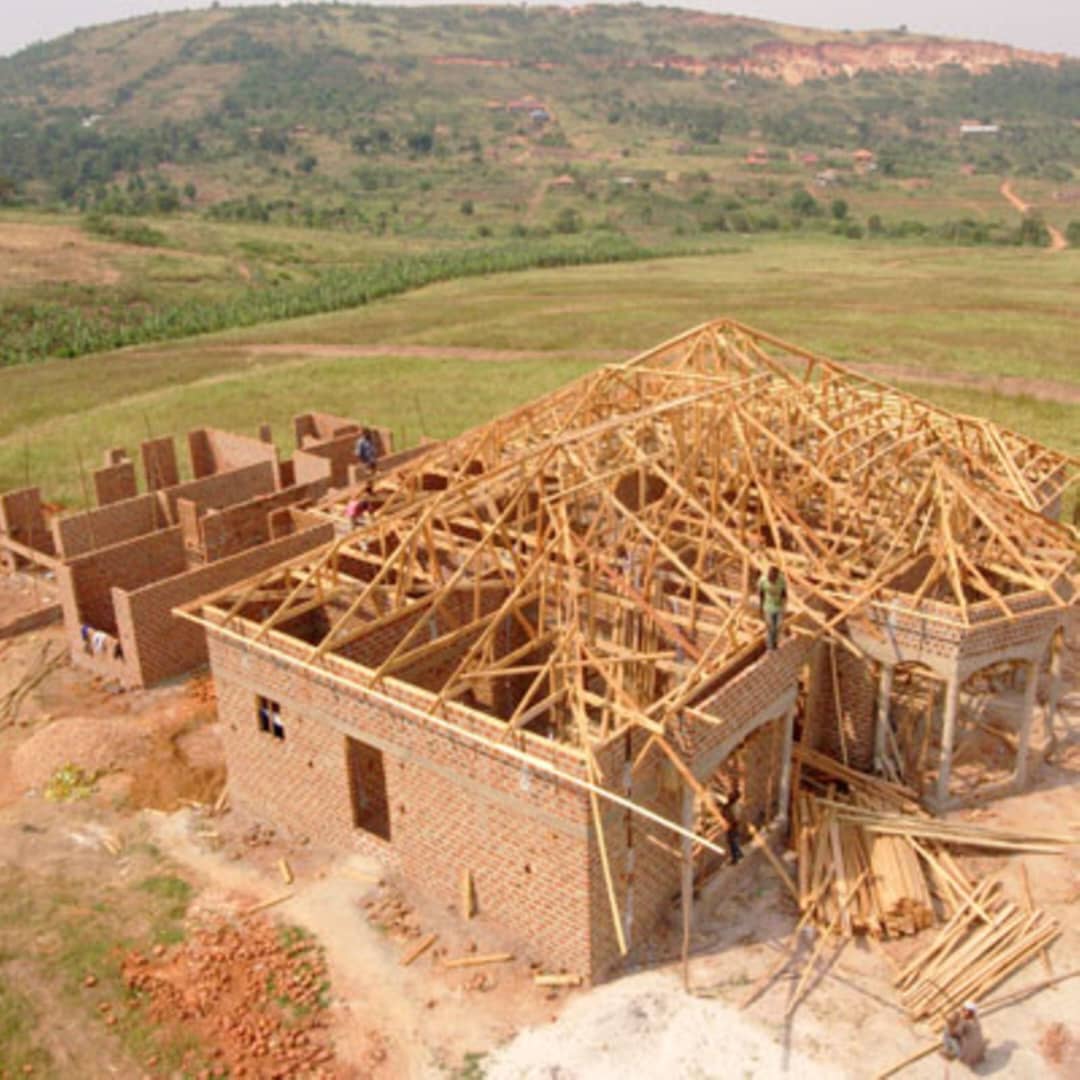
Under the new law, anyone found erecting a building without a valid permit risks up to five years in prison and a fine of two currency points (Shs40,000) for every square metre of the structure built.
The same punishment will apply to developers who continue construction after their permits have expired.
“This will go a long way in addressing the rise in erection of illegal structures and the collapse of buildings in the country. We note the increase in the number of illegal structures being erected by persons who have not obtained building permits and the number of structures that collapse and claim multiple lives and property,” said Tony Awany, Chairperson of the Committee on Physical Infrastructure, while presenting the committee report.
Attempts by the Minister for Local Government, Raphael Magyezi, to retain the punishment at one currency point per square metre and two years’ imprisonment were rejected by MPs, who insisted on harsher measures.
Lawmakers argued that weak penalties had encouraged a culture of impunity among developers, leading to unsafe buildings and repeated disasters.
Beyond penalties, the Bill also seeks to fix bureaucratic delays in the approval of building and occupation permits. Where local Building Committees fail to act within the stipulated timelines, applicants will now have the right to appeal to the National Building Review Board.
Parliament further backed a government proposal to trim the board’s size from 16 to 9 members, saying a smaller team would boost efficiency, cut costs, and enhance accountability.
However, MPs shot down provisions that would have allowed the minister to nominate two members of the public, warning this would politicize a technical institution.
They also rejected the idea of including a lawyer from professional associations, noting that the Attorney General’s Chambers already provides legal expertise.
The approved structure instead reserves seats for representatives from the Ministries of Works and Transport; Labour, Gender and Social Development; Lands, Housing and Urban Development; Local Government; and the Attorney General’s Chambers. These will sit alongside professionals in engineering, architecture, physical planning, and surveying.
Speaker Anita Among championed the inclusion of persons with disabilities on the board, citing the widespread failure of current buildings to accommodate their needs.
“We are saying the Bill should be specific with disabilities, to ensure there is a representative to take care of their interests,” she said.
Western Uganda Youth MP Edson Rugumayo added that such representation should also push for the interests of other groups, including lactating mothers, while prioritizing occupational safety and health.
If assented to by the President, the Building Control (Amendment) Bill, 2025 will overhaul Uganda’s construction regulation framework, strengthen oversight, and curb unsafe developments that have long endangered lives.