
As Uganda approaches the 2026 general elections, a worrying trend is emerging: major political actors are increasingly boycotting prominent media houses, raising concerns over transparency, accountability, and public access to information.
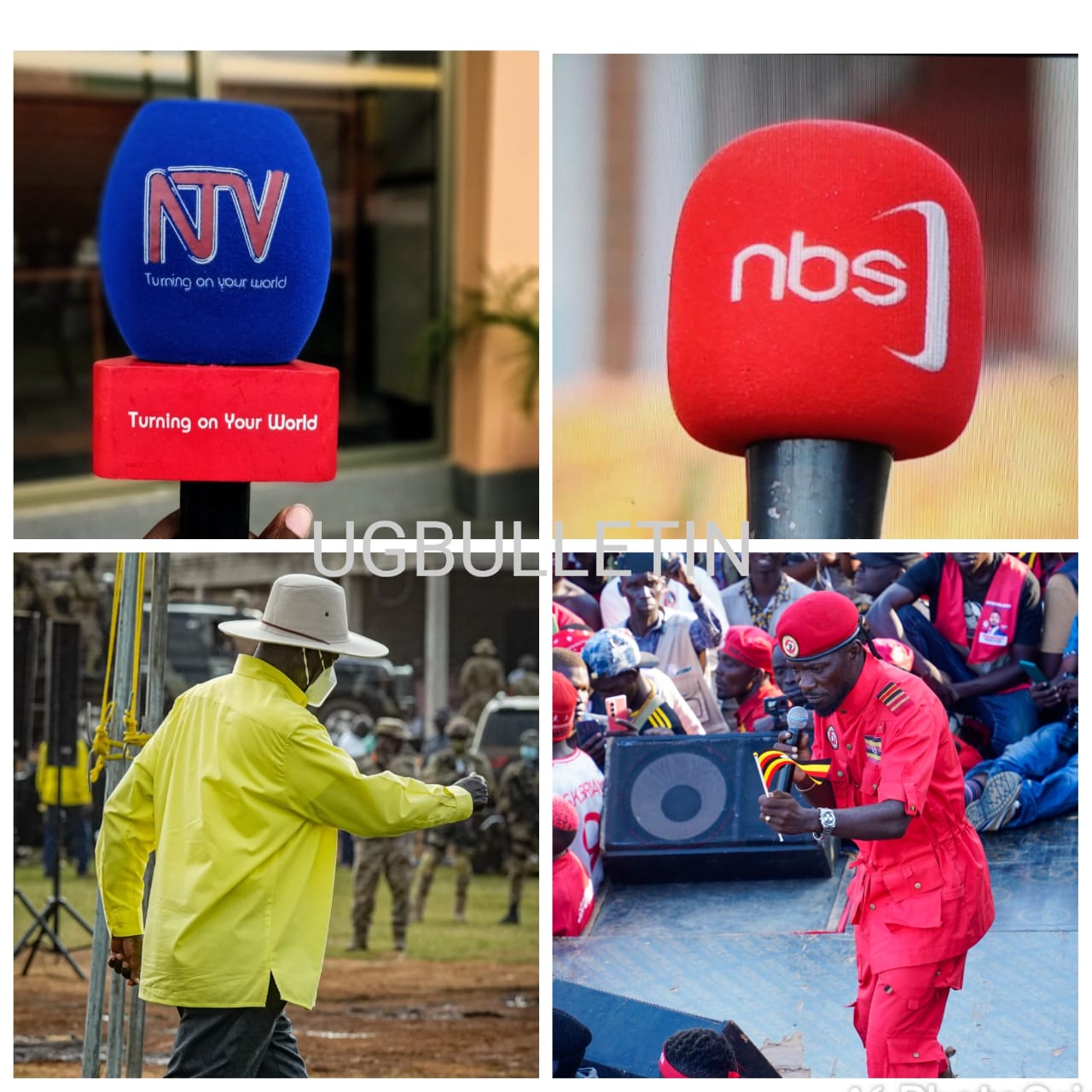
The ruling NRM party and President Yoweri Museveni have notably barred Nation Media Group (NMG) outlets—including NTV Uganda, Daily Monitor, Spark TV, Dembe FM, and KFM—from covering his campaign activities.
According to Farouk Kirunda, the President’s deputy press secretary, the move responds to what the office describes as “persistent instances of misreporting” by NMG, though the directive does not affect the company’s broader operations in Uganda.
NMG managing director Susan Nsibirwa condemned the restrictions, warning they undermine press freedom and constitutional guarantees, describing the situation as a “growing cancer of intolerance” and reaffirming the company’s commitment to bold journalism.
Meanwhile, the National Unity Platform (NUP) has entered a similar standoff with NBS Television, citing perceived biased coverage.
Several NUP candidates have declined to participate in televised debates, including high-profile figures on the UGVotes platform, sparking accusations of deliberate avoidance. Party officials have defended their decision as a response to unfair reporting.
Analysts warn that these boycotts are creating fragmented media coverage, with political actors selectively engaging outlets they trust.
This development is fueling online and offline debates among citizens and could compromise the public’s ability to access balanced and accurate information ahead of the elections.
Observers now ask: as parties pick the media they want, who will safeguard the truth in Uganda’s electoral discourse?