








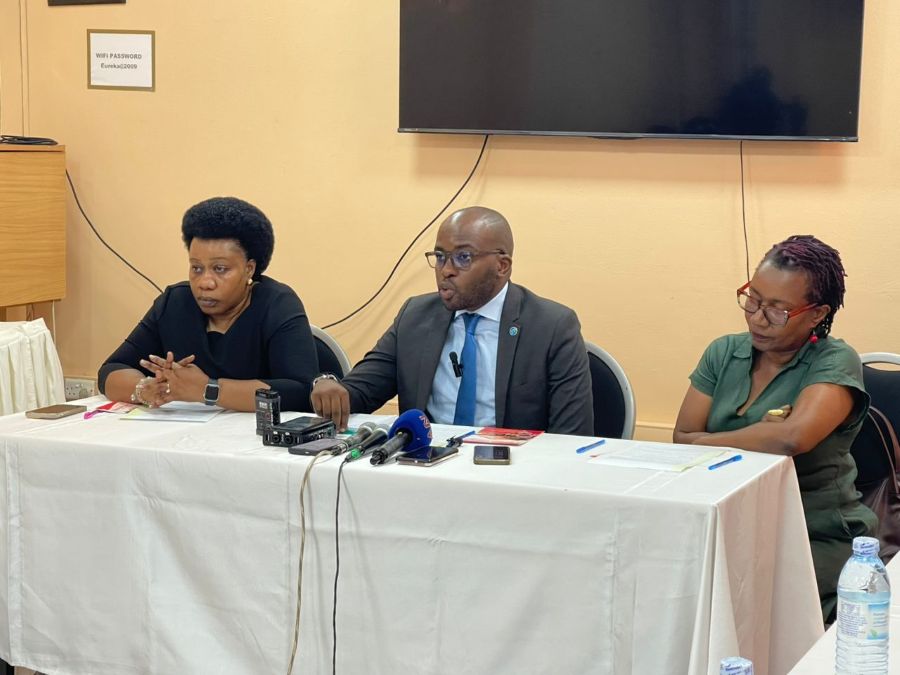
Civil society organizations (CSOs) in Uganda have called on government to immediately halt what they describe as a growing crackdown on NGOs, warning that continued restrictions will undermine service delivery, democracy, and citizens’ rights.
Addressing the media on Monday, the organizations rejected claims that NGOs are a threat to national security, insisting they are “partners in the pursuit of a better Uganda,” not enemies of the state.
Druing the address, the CSOs demanded for the immediate reinstatement of the permits of the suspended organizations and the unfreezing of all affected NGO bank accounts.
They also called for the withdrawal of proposed policies, including the Regulatory Impact Assessment (RIA), which seeks to control NGO funding and donor accreditation, urging that meaningful stakeholder input be ensured.
Additionally, they asked government to respect constitutional rights, particularly Articles 29 and 38, which guarantee freedom of association, expression, and participation in governance.
The organizations further called for an end to what they described as hostile and defamatory rhetoric against civil society, urging government to instead embrace partnership with NGOs in advancing national development.
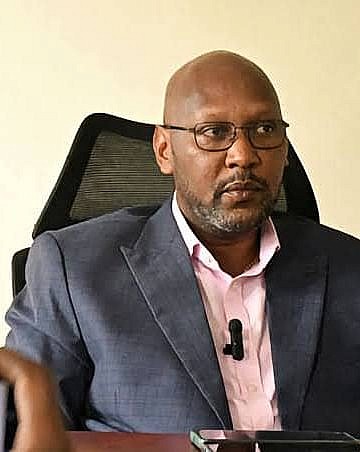
“We demand the immediate reinstatement of the permits of the suspended organizations and the unfreezing of all affected bank accounts,” Andrew Karamagi the member of CSOs Uganda said.
The organizations accused the state of escalating pressure on NGOs through suspensions, freezing of accounts, and restrictive legal proposals. They argue that such actions are aimed at silencing civic voices, especially during politically sensitive periods.
According to Karamagi, these measures are already affecting ordinary Ugandans who depend on NGOs for essential services such as healthcare, education, and legal aid.
“The criminalization of NGO work has dire consequences millions who rely on NGOs for healthcare, education, and legal aid are left behind,” he noted.
CSOs dismissed accusations that NGOs are linked to foreign interference or security threats, describing such claims as “unfounded and deliberately misleading.”
“We are not terrorists or saboteurs, but partners in the pursuit of a better Uganda,” Karamagi said.
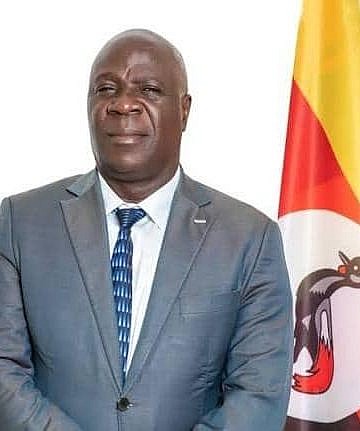
Speaking at the same event, Sarah Bireete, Executive Director of the Centre for Constitutional Governance, urged journalists to question government claims about NGO financing and alleged wrongdoing.
“Can you as media ask them to mention which organization has 70 billion in Uganda? I can assure you that it is not possible it is fake news,” Bireete said.
She emphasized that the Constitution guarantees citizens the right to participate in governance through civil society.
“Article One provides that power belongs to the people and Article 38 guarantees the right to participate in civic organizations, including NGOs,” she added.
The CSOs warned that continued suppression of NGOs could create a broader climate of fear and weaken democratic accountability.
“By labeling civic monitoring as subversive, the state is removing the independent watchdogs necessary for transparent governance,” the statement said.
They maintained that despite the challenges, civil society groups will continue their work and pursue justice through legal and moral means.