











Small and medium enterprises (SMEs) have called for sweeping tax reforms in Uganda’s digital services sector, arguing that existing levies on mobile money transactions and digital devices are too high and are limiting financial inclusion and business growth.
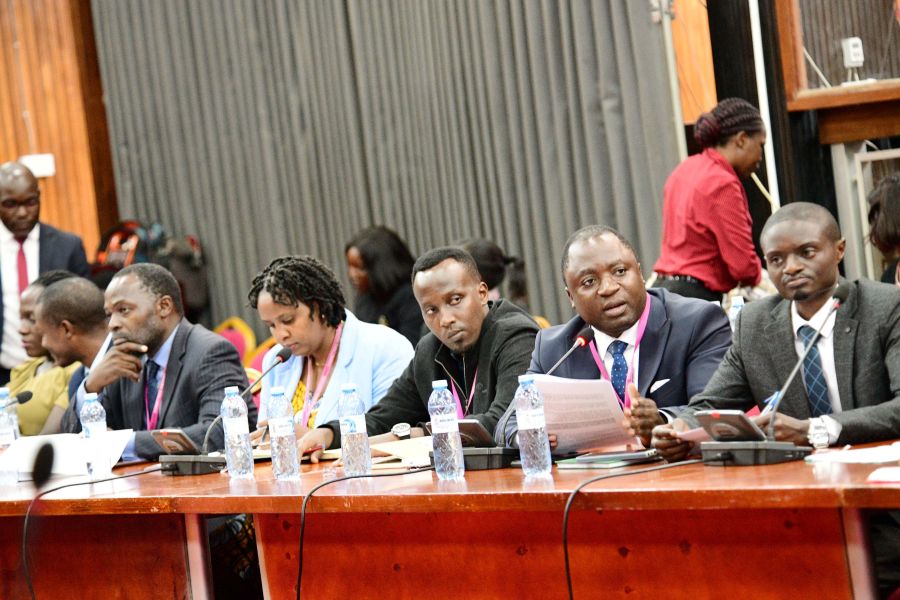
The proposals were presented to Parliament’s Committee on Finance, Planning and Economic Development during ongoing public consultations on the Tax (Amendment) Bills for the 2026/27 financial year.
The Federation of Small and Medium-sized Enterprises (FSME), the umbrella body representing SMEs, urged government to reduce excise duty on mobile money cash withdrawals and eliminate import taxes on entry-level smartphones.
FSME Executive Director John Walugembe said a revised tax structure would expand participation in the formal economy and accelerate Uganda’s transition towards a cashless society.
“Under the Excise Duty Act, Cap 336, FSME proposes amendments to the excise duty on mobile money cash withdrawals, reducing the excise duty rate from 0.5% to 0.25% of the transaction value, with a maximum cap of shs5,000 per transaction,” Walugembe said.
The federation also proposed under the External Trade Act and Value Added Tax Act the removal of import duty on entry-level smartphones valued at up to shs500,000, and the zero-rating of VAT on such devices under HS Code 8517.13.00.
Walugembe argued that lowering transaction costs on mobile money would ease pressure on low-income earners and micro, small and medium enterprises that rely heavily on digital payments for daily operations.
“As more Ugandans transact using mobile money, the number of mobile money agents will increase, creating much-needed jobs,” he said.
He further noted that increased access to affordable smartphones would drive digital adoption, expand online participation, and ultimately boost government revenue through multiple channels, including mobile money levies, telecom excise duties, PAYE, and corporate taxes from digitally enabled businesses.
“The ecosystem for smartphones will also be catalyzed to grow,” Walugembe added.
Members of Parliament on the committee, chaired by Vice Chairperson Moses Aleper (Chekwii County), commended the proposals and said they would be further considered in light of their potential contribution to digital inclusion and Uganda’s Vision 2040 agenda.