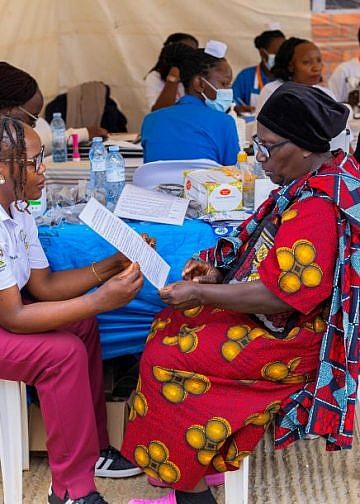



















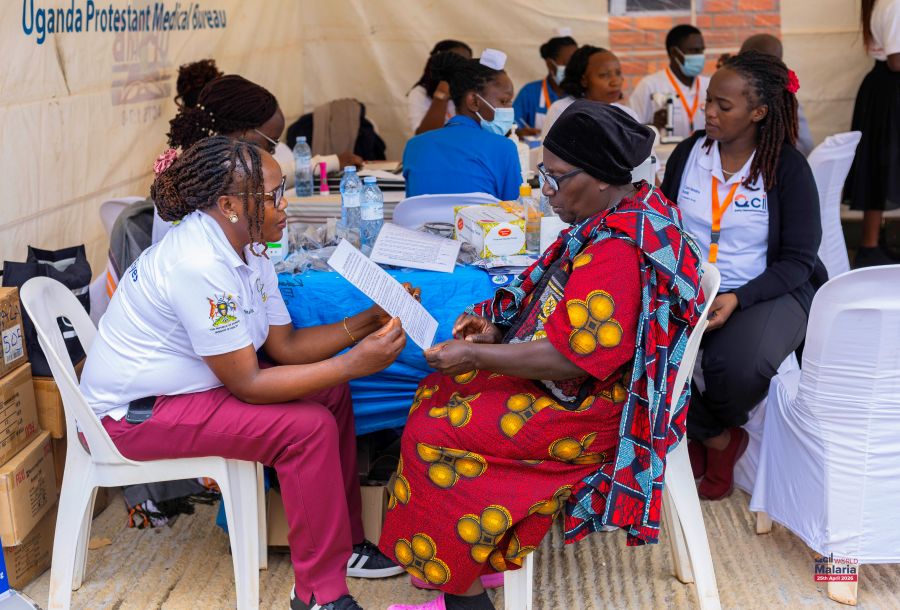
Quality Chemical Industries Limited (QCIL) has intensified efforts to combat malaria through a large-scale community medical camp held at Lubaga Cathedral, in commemoration of World Malaria Day.
The initiative, aligned with this year’s global theme “Driven to End Malaria: Now We Can. Now We Must.”, aimed at expanding access to essential healthcare services while addressing Uganda’s persistent malaria burden. The country recorded over 13 million cases and more than 16,000 deaths in 2024, underscoring the urgency of sustained intervention.
The outreach benefited more than 1,000 residents and offered a wide range of free services, including malaria testing and treatment, distribution of insecticide-treated mosquito nets, maternal and child health services, and screening for non-communicable diseases such as diabetes and hypertension. Dental and eye care services were also provided.
QCIL officials said the camp reflects the company’s broader mission of ensuring healthcare availability, affordability, and accessibility—particularly for underserved communities.
“Our purpose goes beyond manufacturing medicines,” said CEO Ajay Kumar Pal. “It is about empowering people to live healthier and more productive lives through prevention, early diagnosis, and accessible care.”
Health professionals at Rubaga Hospital raised concern over the evolving nature of malaria, particularly in urban settings.
Sr. Grace Nanyondo noted that malaria is increasingly difficult to detect early, with symptoms no longer presenting in predictable ways. She highlighted that Kampala recorded more than 680,000 malaria cases between 2020 and 2023, with some divisions reporting infection rates as high as 1 in 10 residents.
“At the facility level, we continue to receive severe cases, often due to delayed diagnosis—especially among children and pregnant women,” she said.
QCIL’s Head of Human Resources, Harrison Kiggundu, emphasized that malaria remains both preventable and treatable, yet continues to claim lives due to delayed care-seeking and low risk perception.
Citing global estimates from the World Health Organization, he noted that malaria causes approximately 249 million cases and over 600,000 deaths annually, with Africa bearing the greatest burden.
“In Uganda, malaria affects not just health, but education, household incomes, and national productivity,” Kiggundu said. “This is why local manufacturing of antimalarial medicines is critical to ensuring timely access and strengthening health systems.”
QCIL currently supplies medicines to more than 31 African countries, contributing to reduced dependence on imports and improved regional health security.
Religious leaders also underscored the importance of shared responsibility in the fight against malaria. Representing the Kampala Archdiocese, Msgr. Dr. Lawrence Ssemusu praised QCIL and its partners for demonstrating compassion through action.
Drawing parallels to the biblical Good Samaritan, he called on individuals, communities, and institutions to take an active role in prevention and care.
“Every mosquito net used, every early diagnosis, and every act of awareness brings us closer to ending malaria,” he said.
Stakeholders at the event emphasized that ending malaria requires a multi-sectoral approach involving government, private sector players, healthcare workers, and communities.
The medical camp, they said, is part of a broader push to bring healthcare closer to the people—ensuring that no one is left behind due to cost or location barriers.