








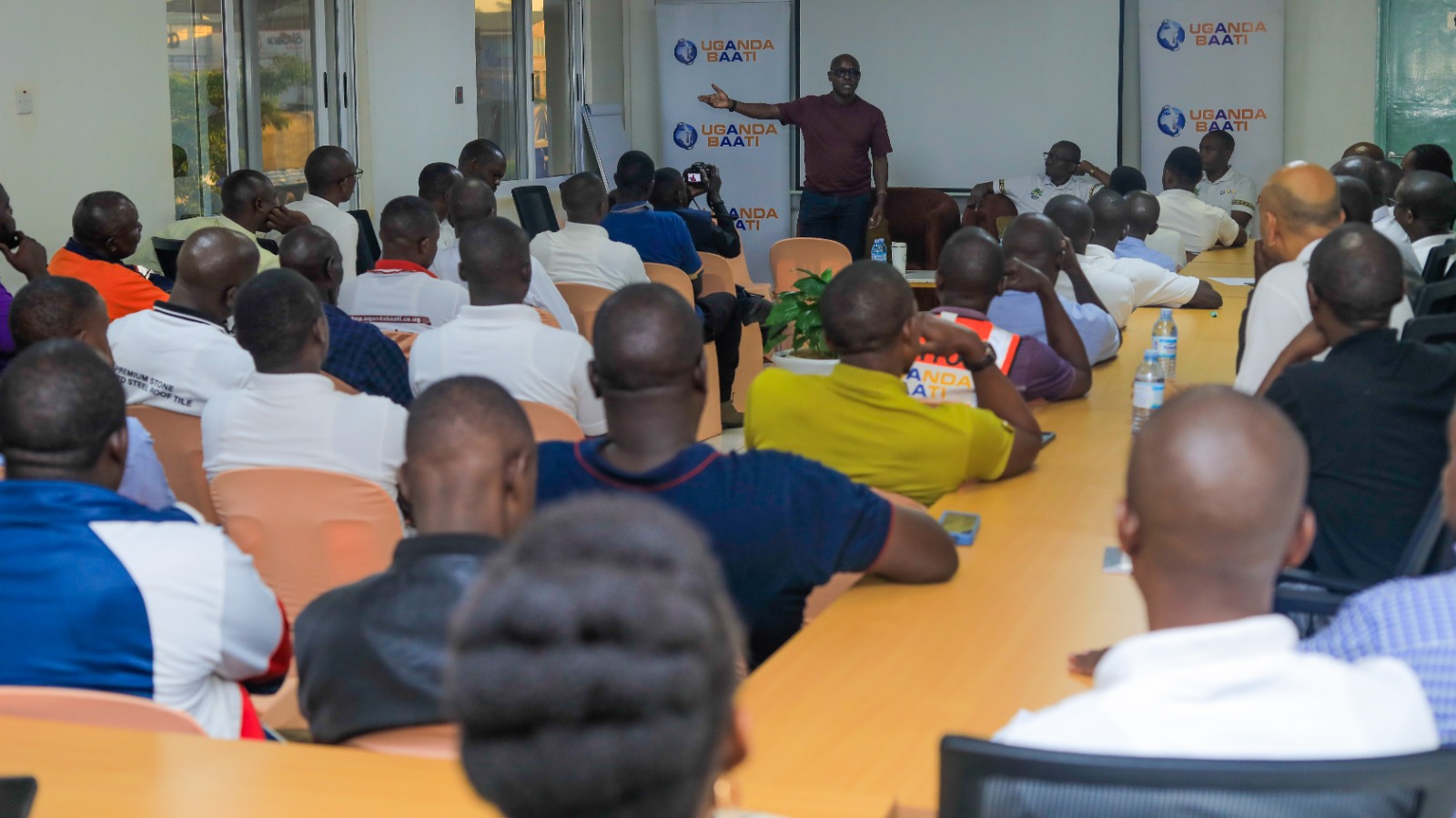
For many men, expectations to provide, lead and remain strong often come with silent pressures that are rarely discussed. A wellness conversation organised by Uganda Baati sought to address these realities by creating a space where male employees could openly reflect on mental health, relationships, personal growth and workplace challenges.
The engagement, held under the company’s Safal Circles initiative, brought together male employees from across the organisation to discuss issues affecting men both at work and in their personal lives.
Using the analogy that “the strongest steel is forged under pressure but requires care to maintain its strength,” the conversation explored the importance of resilience while recognising the need for support, reflection and self-care.
Former media executive and businessman Robert Kabushenga, who facilitated the discussion, challenged participants to move beyond traditional ideas that equate strength with silence.
Kabushenga said personal success should not only be measured by career achievements but also by emotional awareness, healthy relationships and the ability to seek help when facing challenges.
He encouraged men to pay attention to warning signs among colleagues, friends and family members, saying changes in behaviour could indicate deeper struggles requiring support.
“If someone changes their routine, starts coming to work late, isolates himself, speaks to himself, or has bruised bodies, those could be red flags. Instead of judging them, sit with them and check if all is well,” Kabushenga said.
He emphasised that supporting others requires empathy and that asking for help should not be viewed as a sign of weakness.
The discussion also touched on family relationships and financial responsibilities, with Kabushenga encouraging men to build trust with their spouses, including involving them in financial planning.
He said respect within relationships is important because circumstances can change over time.
“Today they may be the breadwinner and tomorrow the job is gone and the wife becomes the sole breadwinner. Respect your spouse because life changes,” he said.
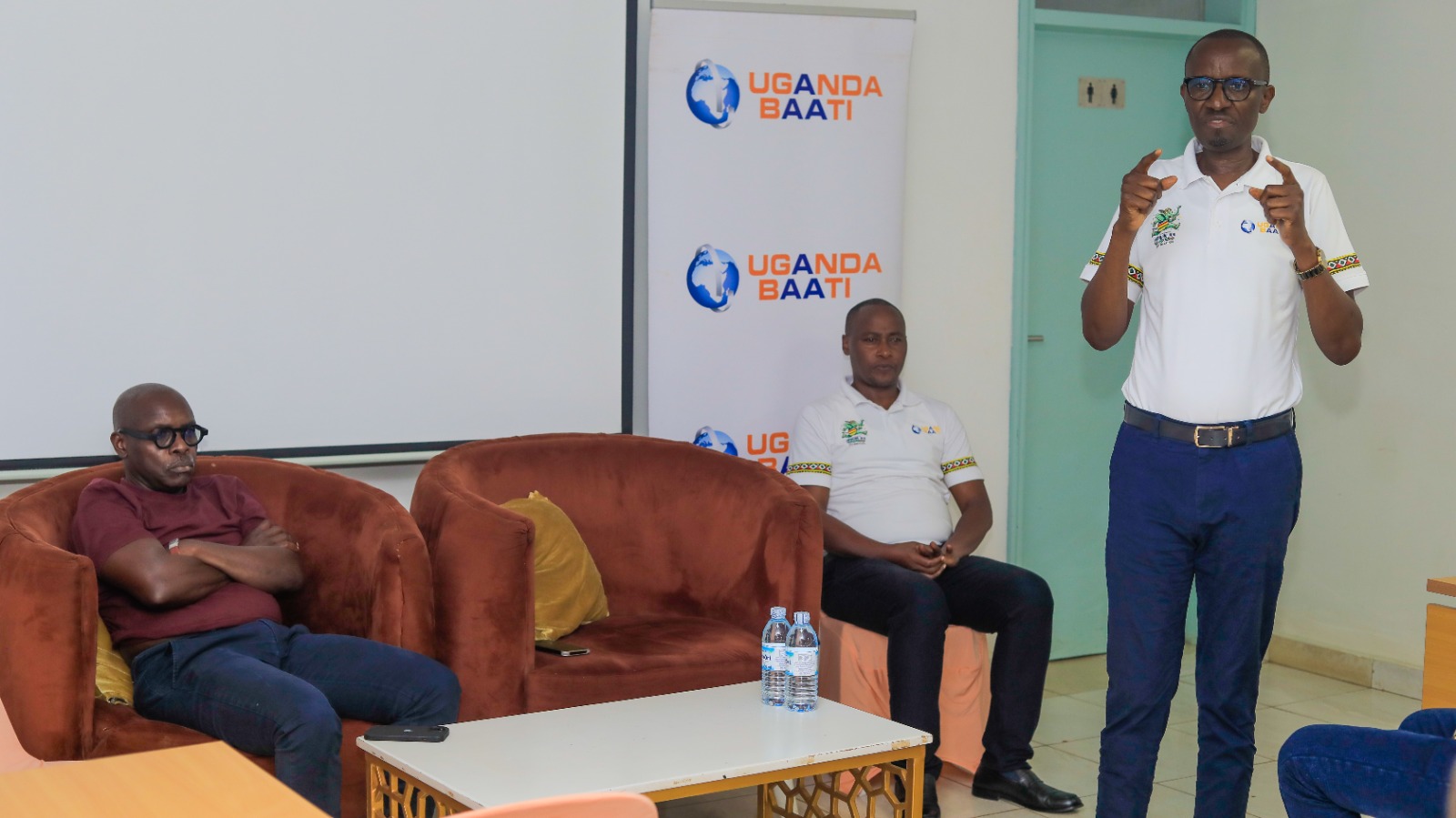
Uganda Baati Chief Executive Officer George Arodi said the wellbeing of employees remains an important part of building a productive organisation.
He said companies must look beyond business targets and consider the overall welfare of the people who drive their success.
“At Uganda Baati, we believe our greatest asset is our people. We invest in technology, innovation and manufacturing excellence, but we must invest just as intentionally in the wellbeing of our employees,” Arodi said.
He added that workplaces where employees feel supported are more likely to foster confidence, teamwork and improved performance.
The engagement also highlighted Uganda Baati’s internal “Are You Kawa?” initiative, which encourages colleagues to check on one another and offer support when they notice signs that someone may be struggling.
Employees discussed challenges facing modern men, including workplace pressure, financial obligations, family expectations, physical health and maintaining a healthy balance between professional and personal responsibilities.
The conversation reflects a growing global shift among employers towards recognising mental health as a key component of workplace performance and employee satisfaction.
By encouraging open discussions around issues that are often kept private, the initiative sought to redefine strength as more than endurance — highlighting resilience, self-awareness, responsibility and the willingness to support others.