










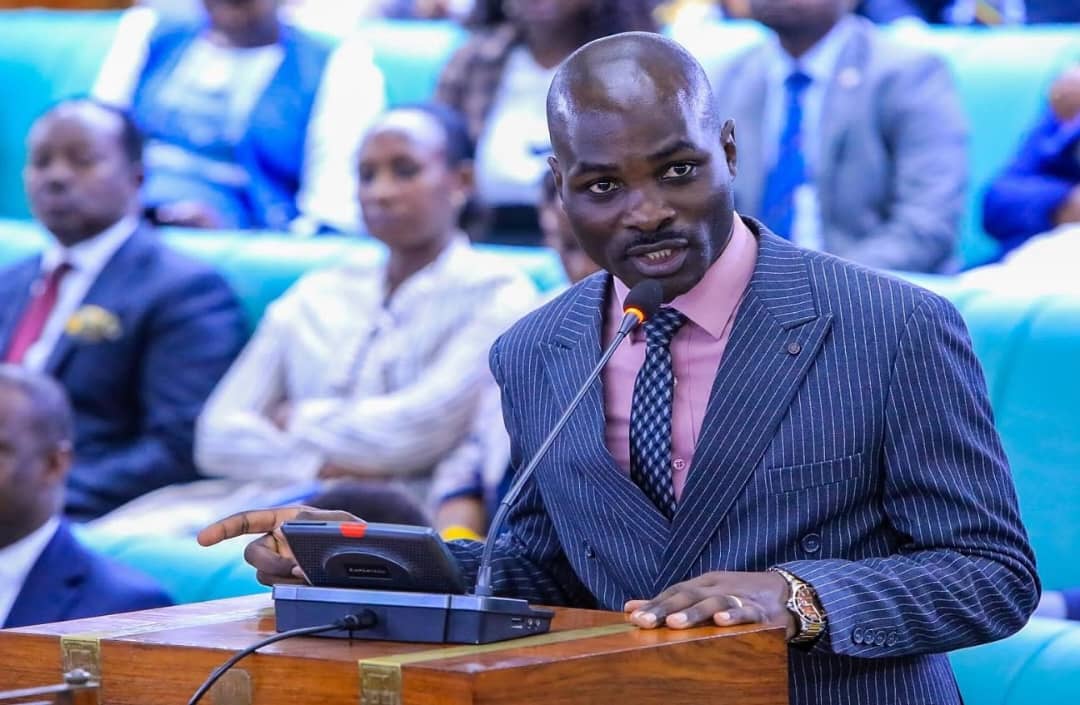
Uganda has lost an estimated Shs10.5 trillion in road asset value due to inadequate maintenance, weaknesses in project planning and corruption, the Minister of Works and Transport, Fred Byamukama, has told Parliament.
Byamukama said the government has invested Shs37.4 trillion over the years in developing and improving the national road network, but part of that investment has been lost as roads deteriorated.
“It is estimated that Shs10.5 trillion in road asset value has been lost, leaving the current National Road Asset valued at Shs26.9 trillion,” Byamukama said.
He attributed the loss to inadequate funding for road maintenance, weaknesses in planning and instances of corruption affecting the sector.
The Minister said the government is strengthening governance, accountability and oversight of road works while working with the Ministry of Finance, Planning and Economic Development to progressively increase funding for maintenance.
For the 2026/27 financial year, the Ministry of Finance allocated Shs326 billion for road maintenance, against an estimated annual requirement of Shs807 billion.
The allocation will support routine maintenance of paved and unpaved roads, periodic maintenance of ageing paved roads, bridge maintenance, emergency interventions following floods and landslides, drainage improvements and other measures aimed at preserving road assets.
Byamukama warned that delaying maintenance significantly increases the cost of preserving the road network.
“When periodic maintenance is not undertaken at the appropriate time, roads deteriorate further and eventually require more costly rehabilitation or reconstruction,” he said.
Uganda has an estimated road network of 159,561 kilometres, of which 150,679 kilometres, or about 94.43 per cent, is unpaved. Only 5.57 per cent of the country’s road network is paved.
The Minister also identified corruption and collusion between some government officials and contractors as major challenges affecting the implementation of road projects.
He said some officials have allegedly colluded with contractors to inflate infrastructure project costs through commissions and other improper arrangements.
The problem is further compounded by poor project preparation, including instances where contracts are signed and construction begins before adequate Right of Way has been secured.
“The resulting delays and disruption to works expose Government to contractual claims, additional costs and ultimately place an unnecessary financial burden on the public,” Byamukama said.
He said the Ministry is investigating reported cases of corruption and collusion while strengthening project preparation, oversight and accountability mechanisms.
Byamukama said the government remains committed to increasing investment in road maintenance, particularly periodic maintenance of paved roads, which he described as one of the most cost-effective ways of preserving existing road assets.
“Developing road infrastructure remains central to Government’s efforts to improve connectivity, facilitate trade, support regional integration and drive socio-economic transformation,” he said.
The Minister assured Parliament that the government will continue implementing short- and medium-term road upgrading and maintenance interventions, subject to the availability of funds.