






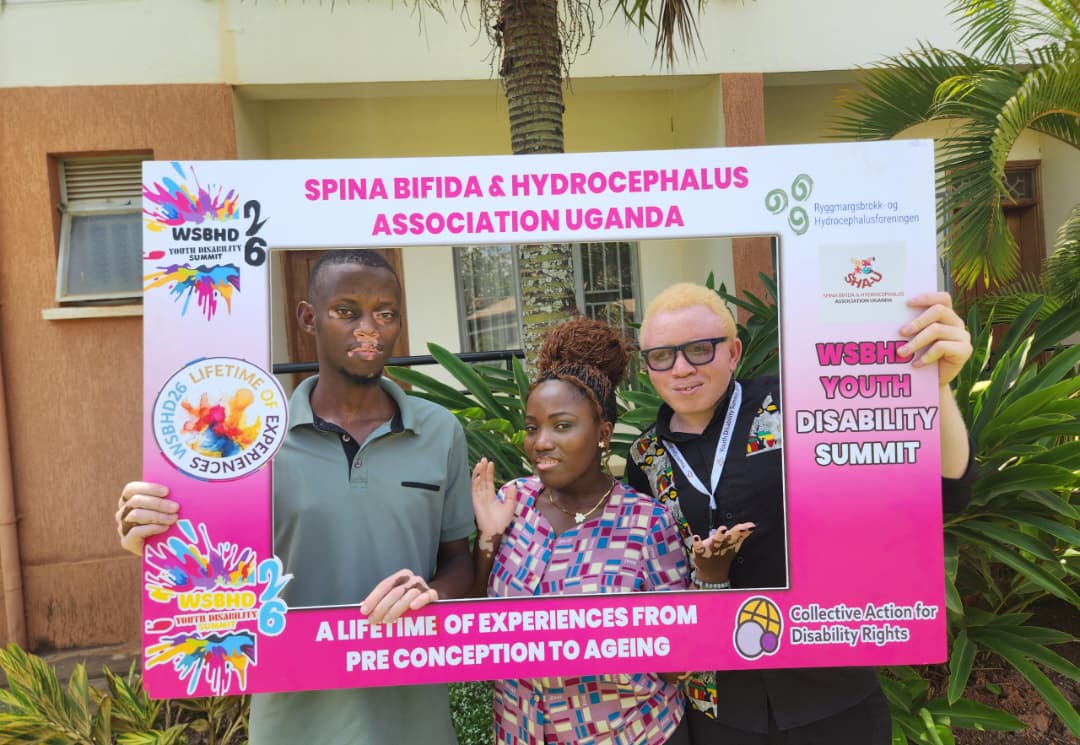
Youths living with albinism and vitiligo have called on the government to remove taxes on sunscreen to make the products more affordable, warning that high prices limit access to essential skin protection and expose them to serious health risks.
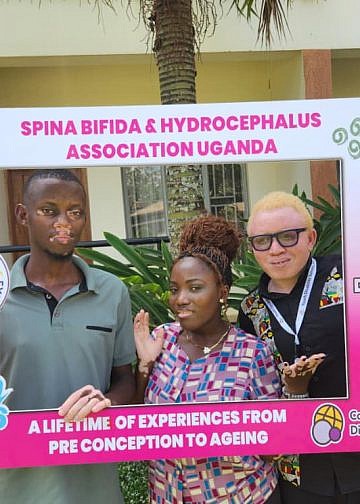
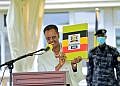
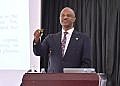
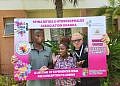
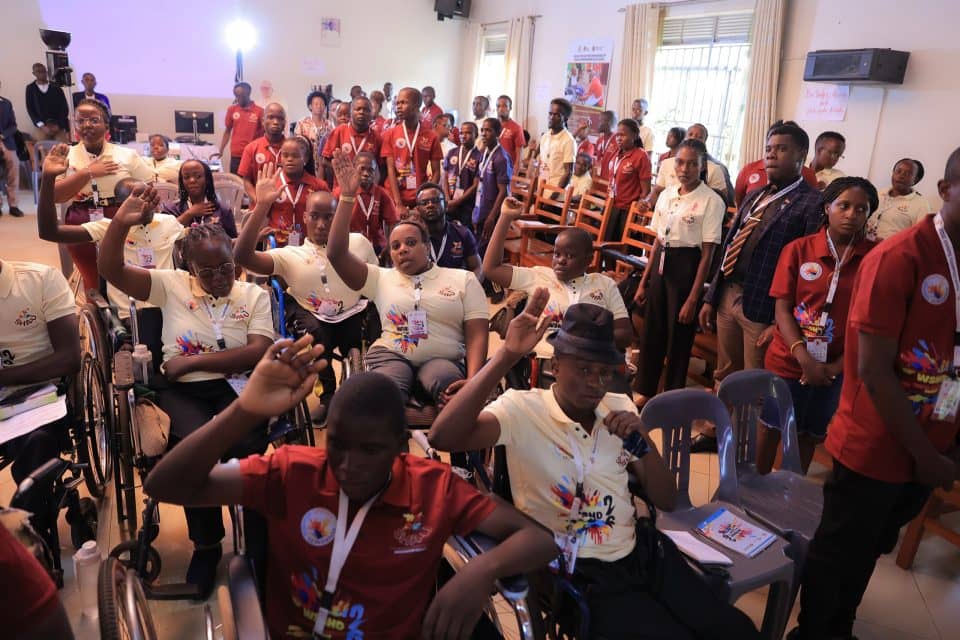
The appeal was made during the maiden National Disability Youth Summit 2026, a five-day event organised by the Spina Bifida and Hydrocephalus Association Uganda (SHAU) at Kyoto-Namugongo to commemorate Spina Bifida and Hydrocephalus Day.
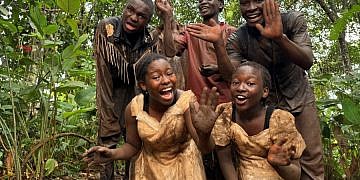
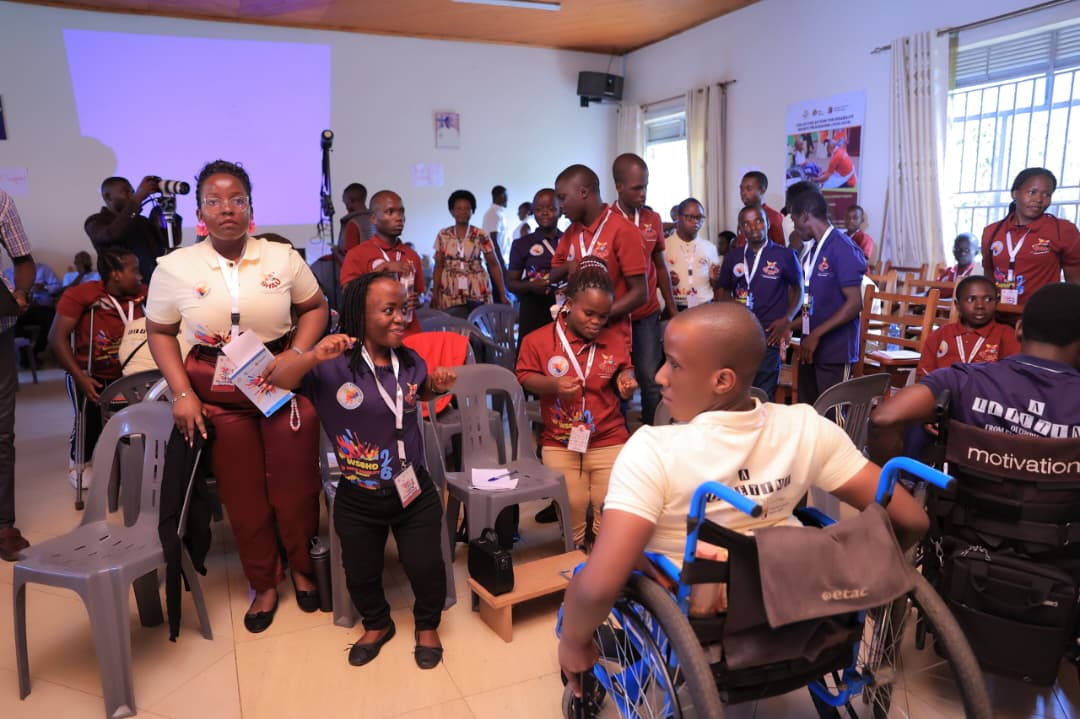
Held under the theme “A Lifetime of Experience: From Preconception to Ageing,” the summit brought together more than 90 young people with different disabilities from across Uganda to discuss their health, rights, inclusion and access to essential services.
Participants received training in self-care, advocacy, emotional intelligence, sexual and reproductive health, personal hygiene and collective action to address challenges affecting persons with disabilities.
Access to affordable sunscreen emerged as a major concern among participants living with albinism and vitiligo, who said the cost of skin protection products remains beyond the reach of many affected families.
Paul Ssemogerere, a person living with albinism, said sunscreen was essential to his daily life but remained expensive and difficult to access.
“For me, I use sunscreens as an albinism. Without sunscreens, I may not be in position to operate normally or to do my daily activities. So having it is quite difficult. On top of it being scarce, it is very expensive,” Ssemogerere said.
He said a bottle of sunscreen costs between Shs55,000 and Shs65,000, making it difficult for people with limited incomes to afford it alongside other household expenses.
“You realise that there are some people who can work for a month without holding such amount of money. So on top of getting sunscreen, you have to also take care of your family. So it becomes a challenge,” he added.
Ssemogerere warned that inadequate access to sunscreen and specialised skin care increases the risk of serious complications, including skin cancer, among people with albinism.
He called on the government to expand access to specialised eye and skin services, particularly in underserved communities, and introduce mobile clinics to bring screening and treatment closer to patients.
“If at all we cannot have them at the moment in the hospitals, we can have mobile clinics, just like they do the TB mobile clinics, the malaria mobile clinics. They can also do skin cancer screening, mobile clinics,” he said.
He also urged the government to remove taxes on sunscreen and include the products on the national essential medicines list to facilitate public-sector procurement and distribution.
“We request that the government should completely waive off taxes to these sunscreens so that these sunscreens can easily be accessed by persons with albinism,” he said.
Ssemogerere said government-supported distribution through hospitals and health centres would help ensure that people with albinism, including those living in rural areas, can obtain sunscreen without incurring prohibitive costs.
Youths with vitiligo call for recognition
The summit also provided a platform for young people living with vitiligo to call for greater public awareness, improved access to specialist care and official recognition of the condition.
Justine Joella Nsimenta, a person living with vitiligo, said people with the condition continue to experience stigma because of misconceptions about its causes.
She said some communities wrongly associate vitiligo with twins, curses or supernatural beliefs, leading to discrimination against affected individuals.
“Let me start with the myth. The myth behind vitiligo, people put this on twins and they say, it’s by twins, twins burnt you, you stole money from twin baskets, or maybe you aborted the twin, or maybe one of your parents gave birth to twins and denied them or neglected them, so they are the ones who burnt you. But all that is not true,” Nsimenta said.
Vitiligo is a condition in which the skin loses pigment, resulting in patches of lighter skin. It is associated with the loss or destruction of melanocytes, the cells responsible for producing melanin.
Nsimenta said people with vitiligo may experience skin irritation and damage when exposed to sunlight without adequate protection.
“When you have vitiligo and you expose yourself to the sun without sun protection, your body gets, your body reacts, it becomes red, it gets sores,” she said.
She appealed to the government to formally recognise vitiligo as a disability and include it on the country’s official list of disabilities, arguing that recognition could improve access to support and increase public awareness.
“I would like to take this opportunity to appeal to the government to accept and consider vitiligo as a disability, and add it to, like, officially recognise it as a disability and add it to the list of disabilities in the country,” she said.
Nsimenta also called for awareness campaigns in schools and communities to challenge misconceptions and encourage acceptance of people living with the condition.
“When we reach out to them, and we tell them they will grow up seeing it as a normal thing,” she said.
Leonard Mulindwa, a person living with vitiligo from Isingiro District, echoed the call for lower taxes on sunscreen, saying affordability remains a barrier to protecting the skin from excessive sun exposure.
“To the government, we request for reduction on the taxes imposed down to these sunscreens, because it’s what we use to protect our skin from too much sunshine,” Mulindwa said.
He also raised concerns about the limited number of dermatologists available to provide specialised skin care, saying the shortage makes it difficult for people with vitiligo to obtain appropriate medical attention.
“The dermatologists, these are the doctors who work on the skin, they are few, and being few, we have not yet gotten the clear medication for vitiligo,” he said.
Winfred Nabikolo, projects officer at SHAU, said the summit was organised to bring young people with different disabilities together so they could advocate for their rights collectively rather than work in separate groups.
She said many challenges affecting persons with disabilities cut across different conditions, particularly in health care, education, employment and access to essential supplies.
“So that is why we decided to call on even other disabilities, so that we can be one voice. We advocate one voice, because you’ll find spina bifida we are going to the Minister of Gender talking about the same issue, also the one of another disability has come to talk. But now if we come as a team, as a group, it can make more sense than working in silos,” Nabikolo said.
She identified access to appropriate health care as one of the major challenges facing persons with disabilities, noting that some health workers require additional training to understand and respond to their specific needs.
Nabikolo called for regular refresher training for medical personnel to improve the quality of care provided to people with different disabilities.
“There is a lot that we need, however the government has done, but there is still more to educate the caregivers, because like as SHAU, we do train the medical workers about the condition. So it’s the same that they should keep on having those refresher courses in regards to different disabilities,” she said.
She also urged the government to consider essential disability-related supplies when planning budgets for assistive devices and other support services.
“If now for spina bifida they always need catheters. If in their costing they can input their catheters, the enema bags, and you look like the one over albinism where they need sunscreens. There are some essential things that wouldn’t be left out when it comes to the costing of assistive devices,” Nabikolo said.
Catherine Nakanyiga, an amputee living with spina bifida, said the summit helped participants appreciate the importance of collective advocacy in pushing for government action and the implementation of policies affecting persons with disabilities.
“The most important topic was about the advocacy, the collective action as people living with different disabilities to come together so that we advocate for ourselves, so that we talk to the government to implement the policies which are being made so that we are also considered,” Nakanyiga said.
She said participants were encouraged to learn from one another, raise awareness and offer peer support instead of limiting their advocacy to individual disability groups.
“We need each other, not to just isolate as people of different disabilities. So for us we’ve come up to mix so that we come up with a collective voice to support each other in creating awareness, in advocating, in peer supporting each other whatever disability it is,” she added.
The summit brought together young people living with albinism, vitiligo, Down syndrome, cerebral palsy, autism, short stature, hydrocephalus, spina bifida and other disabilities.
Nabikolo said participants were deliberately mixed during the event to encourage interaction, mutual understanding and shared learning across disability groups.
She said the long-term objective was to equip young people with disabilities with the knowledge and confidence to understand their rights, practise self-care and advocate for themselves and others.