









Ugandan coffee companies are stepping up efforts to penetrate international consumer markets by selling locally branded products directly to buyers in Switzerland, as the government intensifies its drive to increase value addition in the country’s coffee industry.
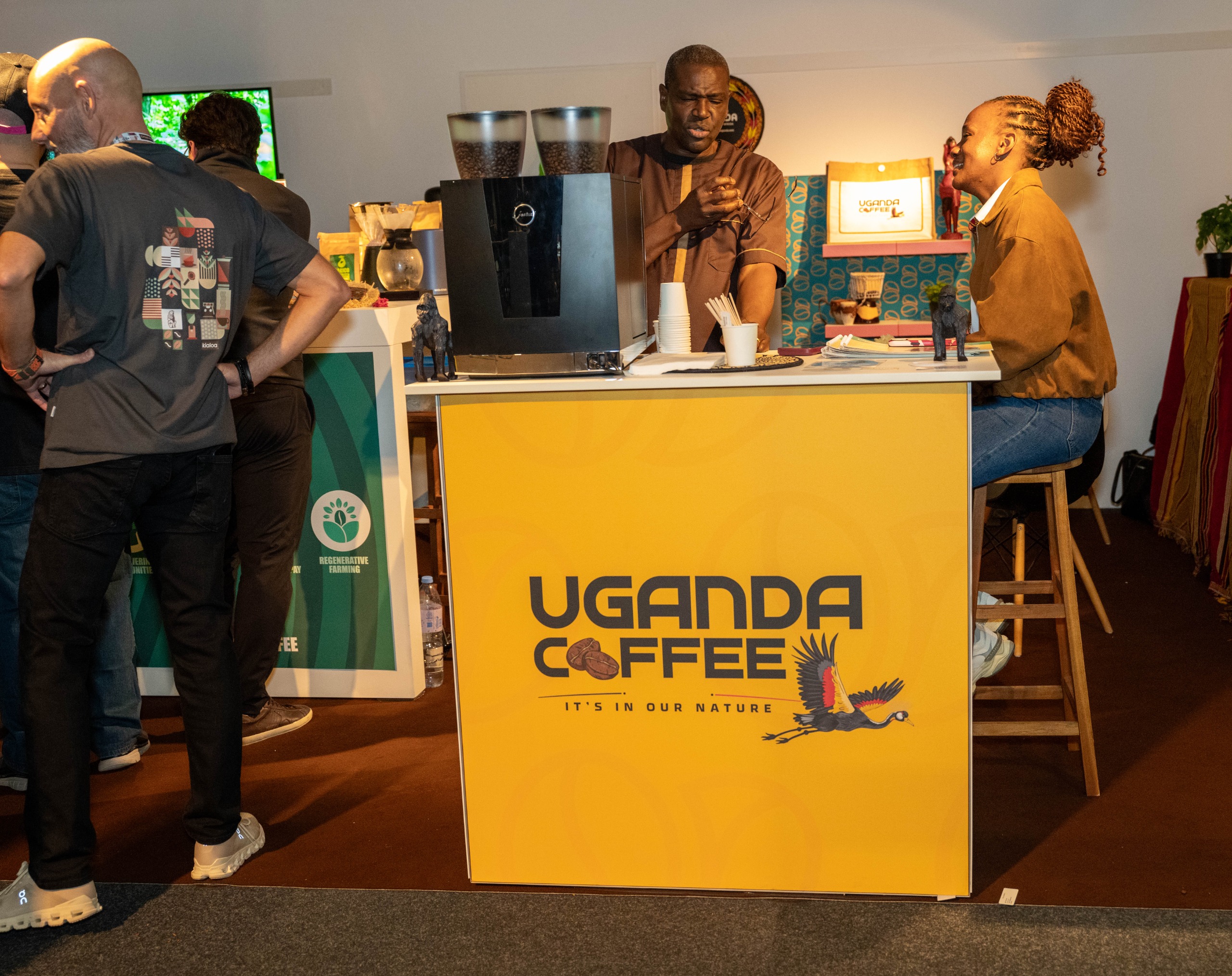
Gorilla Conservation Coffee and Carico Coffee represented Uganda at the Swiss Coffee Festival in Zurich, held from October 31 to November 1, marking the country’s first participation in the event.
The two companies showcased their products, offered coffee tastings, engaged potential buyers and made direct sales to consumers at the festival, which organisers describe as Switzerland’s largest coffee trade fair.
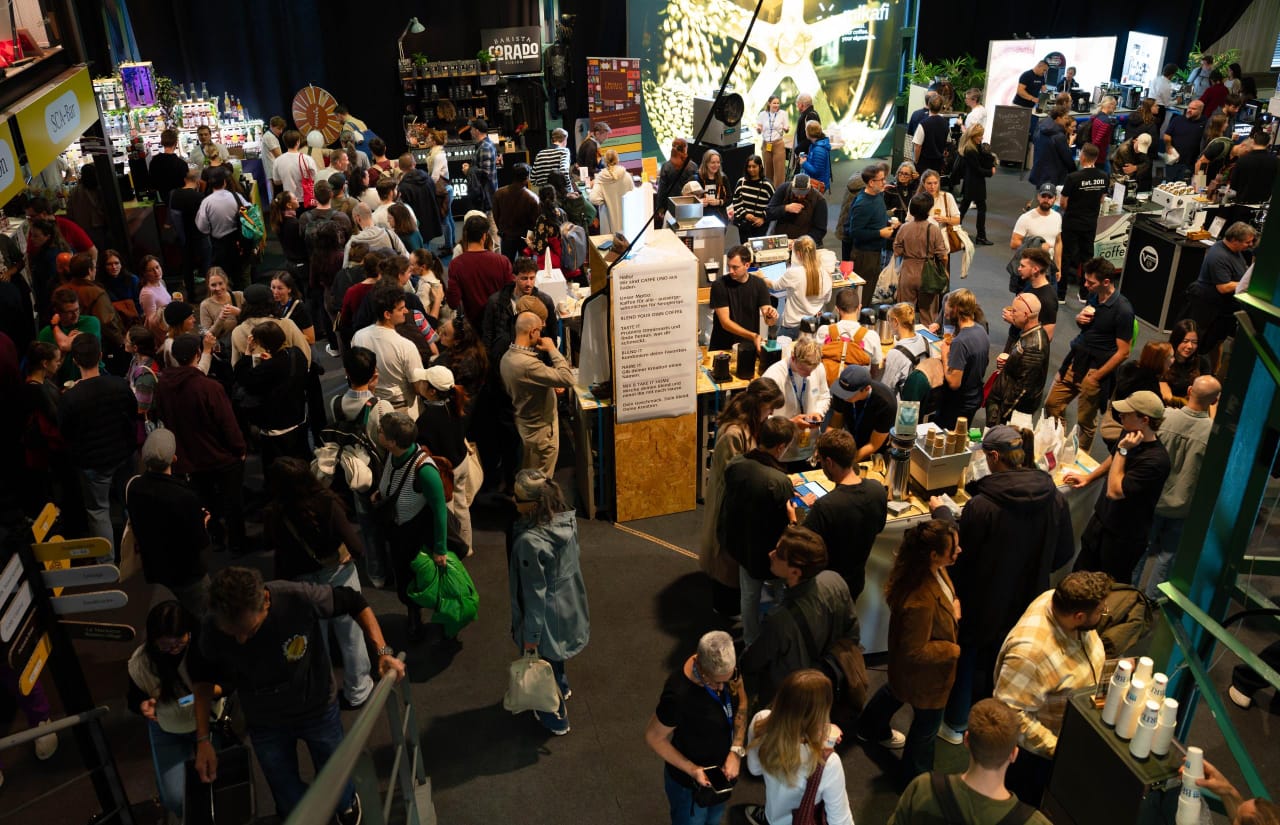
According to Uganda’s Embassy in Switzerland, which facilitated the country’s participation, the event attracted approximately 5,500 visitors and 78 exhibitors.
Uganda’s Ambassador to Switzerland, Marcel Tibaleka, welcomed the opportunity to introduce the country’s coffee brands to Swiss consumers and establish new commercial relationships.
“We are delighted to introduce more of Uganda’s exceptional coffee brands to Swiss consumers and look forward to building lasting partnerships with Swiss coffee traders, roasters and consumers,” Tibaleka said.
The participation comes as Uganda seeks to move beyond exporting predominantly unprocessed coffee beans and capture a greater share of the international coffee value chain.
Uganda is Africa’s leading coffee exporter by volume. Figures from the Ministry of Agriculture indicate that the country exported 8.8 million 60-kilogramme bags valued at $2.4 billion in the 12 months to March 2026, compared with 6.9 million bags worth $1.8 billion during the corresponding period a year earlier.
Europe remains Uganda’s largest coffee export destination, accounting for 58 per cent of shipments in February, with Italy maintaining its position as the biggest individual buyer.
Despite the growth in export earnings, the country continues to earn much of its coffee revenue from raw bean exports.
Data from the United States Department of Agriculture indicates that more than 98 per cent of Uganda’s coffee is exported as unroasted green beans. The coffee is subsequently roasted, blended, packaged and marketed in international markets, where much of the retail value is generated.
Ugandan officials have repeatedly raised concerns that the country loses significant economic opportunities by exporting coffee without developing stronger domestic processing and branding capacity.
The situation also means that consumers in major international markets, including China, may consume Ugandan coffee without recognising its country of origin.
In response, the government launched a national coffee identity, branded “Uganda Coffee: It’s in Our Nature”, at the World of Coffee exhibition in Brussels in June.
The initiative is part of a broader strategy to strengthen Uganda’s international coffee profile, encourage domestic processing and promote locally owned brands.
Government efforts are also targeting investment in roasting, coffee processing and soluble coffee production, while maintaining exports of green beans. Uganda has set a target of producing more than 20 million bags annually by 2030.
The coffee sector remains a critical source of income for the country, supporting approximately 1.7 million households.
Among the companies promoting Ugandan coffee internationally is Gorilla Conservation Coffee, operated by Conservation Through Public Health, a nonprofit organisation founded by Dr Gladys Kalema-Zikusoka.
The company works with coffee farmers living near Bwindi Impenetrable National Park and says it pays them an additional $0.50 per kilogramme above the prevailing market price.
Carico Coffee, meanwhile, sources its coffee directly from approximately 1,700 smallholder farmers in the Mount Elgon region of eastern Uganda.
Uganda has also been strengthening its engagement with Switzerland’s coffee industry as part of efforts to expand its export market.
In March, the Ugandan Embassy in Switzerland, working with the Swiss Coffee Traders Association, organised a week-long familiarisation tour of Uganda for young Swiss coffee traders.
The tour provided participants with an opportunity to understand Uganda’s coffee production chain and explore potential business partnerships with local industry players.
The embassy said Uganda’s participation in the Zurich festival would complement these efforts by increasing the visibility of its coffee brands, expanding export opportunities and encouraging stronger commercial partnerships.
For Uganda, the growing international promotion of locally branded coffee represents an important step towards transforming the country from a major supplier of raw coffee beans into a more competitive player in the global roasted and packaged coffee market.