









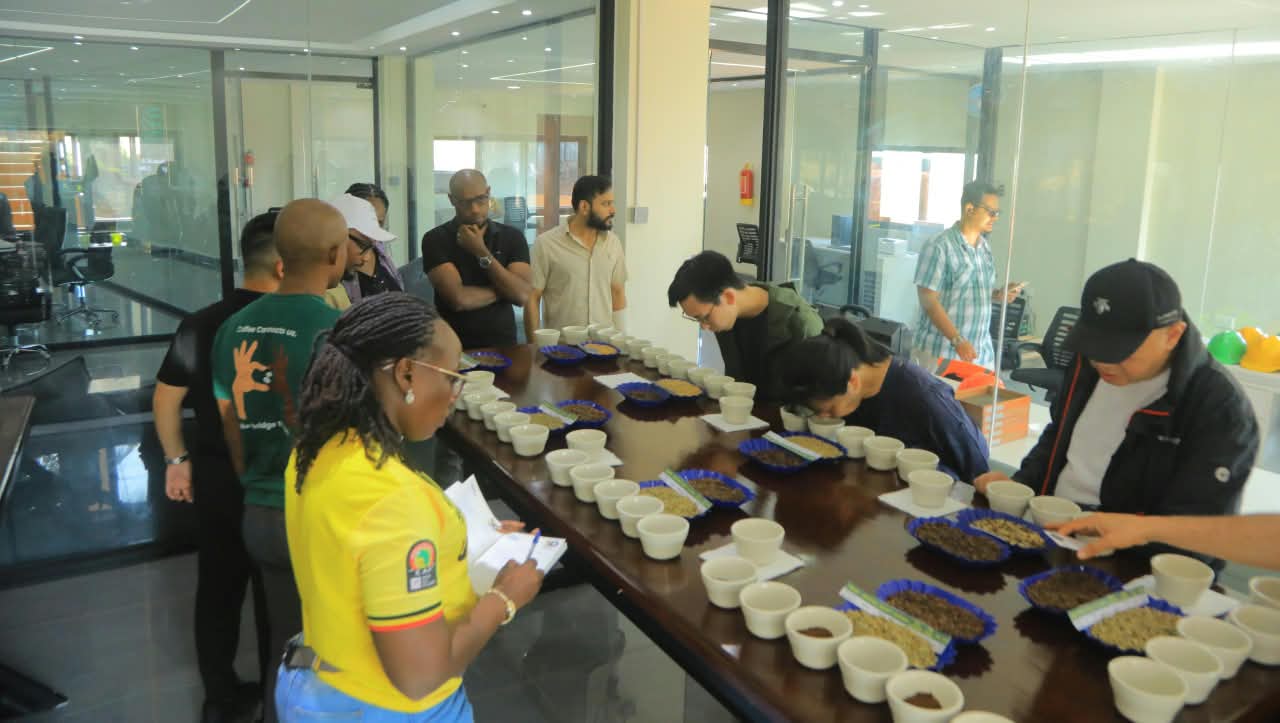
A delegation of coffee buyers and industry experts from Southeast Asia is touring coffee farms and processing facilities in eastern Uganda as the government steps up efforts to attract new export markets, promote local processing and increase the value earned from its biggest agricultural export.
The five-member delegation arrived in Uganda on Wednesday for a seven-day tour organised by the Uganda High Commission in Kuala Lumpur, Malaysia, which is also accredited to Vietnam.
The visitors represent four companies from Malaysia, Singapore and Vietnam, including Coffex/Mono Origine, 2nd Mile Specialty Coffee and Vina Nha Trang. Their areas of interest include coffee sourcing, specialty coffee production and processing technology.
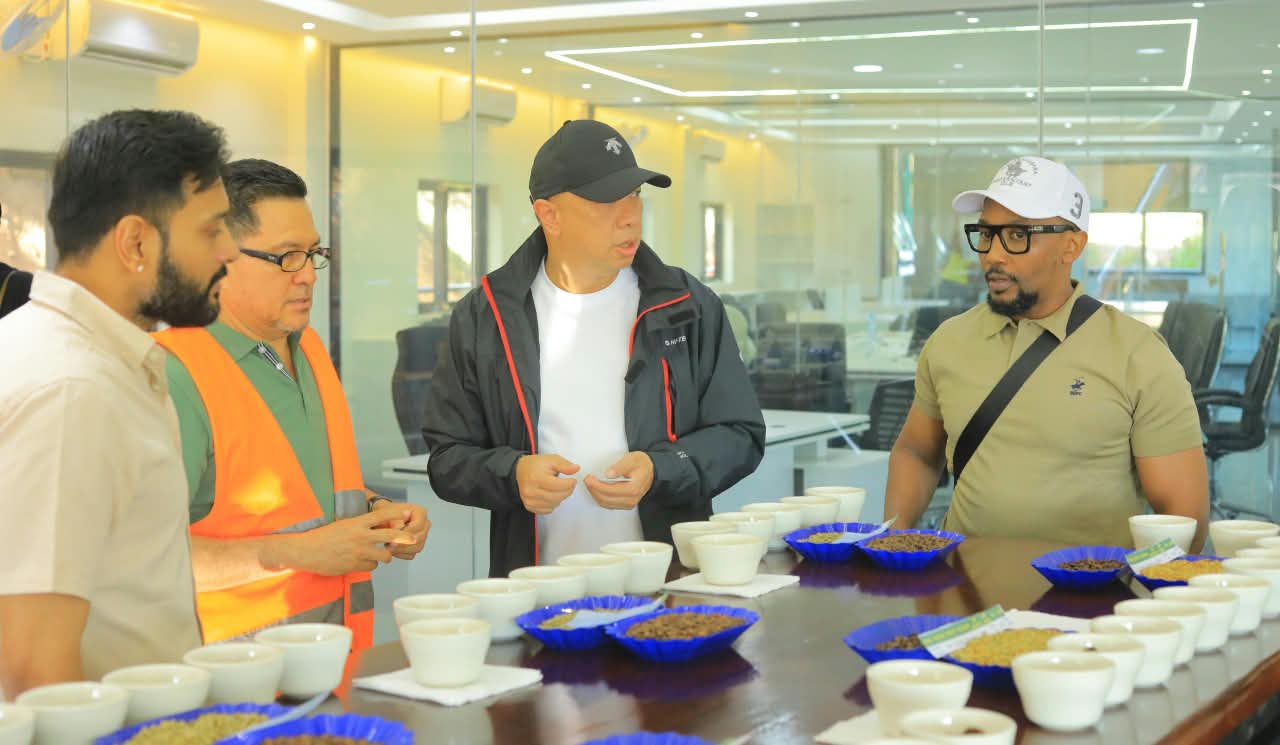
The tour began at MJ Nutrition’s coffee division in Jinja, where the delegates were taken through the processes of coffee handling, grading, storage and preparation for export. They also participated in a coffee cupping session to sample and assess Ugandan coffee.
Discussions focused on the international market potential of Ugandan robusta, opportunities for direct purchases from producers and the country’s ability to supply coffee throughout the year.
Uganda’s favourable climate and staggered harvesting seasons were highlighted as competitive advantages that could help meet demand in international markets.
The delegation later visited Mountain Harvest, a specialty coffee company established in 2017. The company says its farmer network has grown from 326 to more than 3,000, including approximately 1,500 farmers in the Rwenzori region.
Mountain Harvest supports farmers through microfinance, agronomy training, organic and regenerative farming practices, as well as initiatives aimed at encouraging young people to remain in coffee production.
The visitors also explored specialised processing techniques, including anaerobic fermentation and yeast inoculation, which are used to develop distinctive coffee flavours and attract buyers in premium markets.
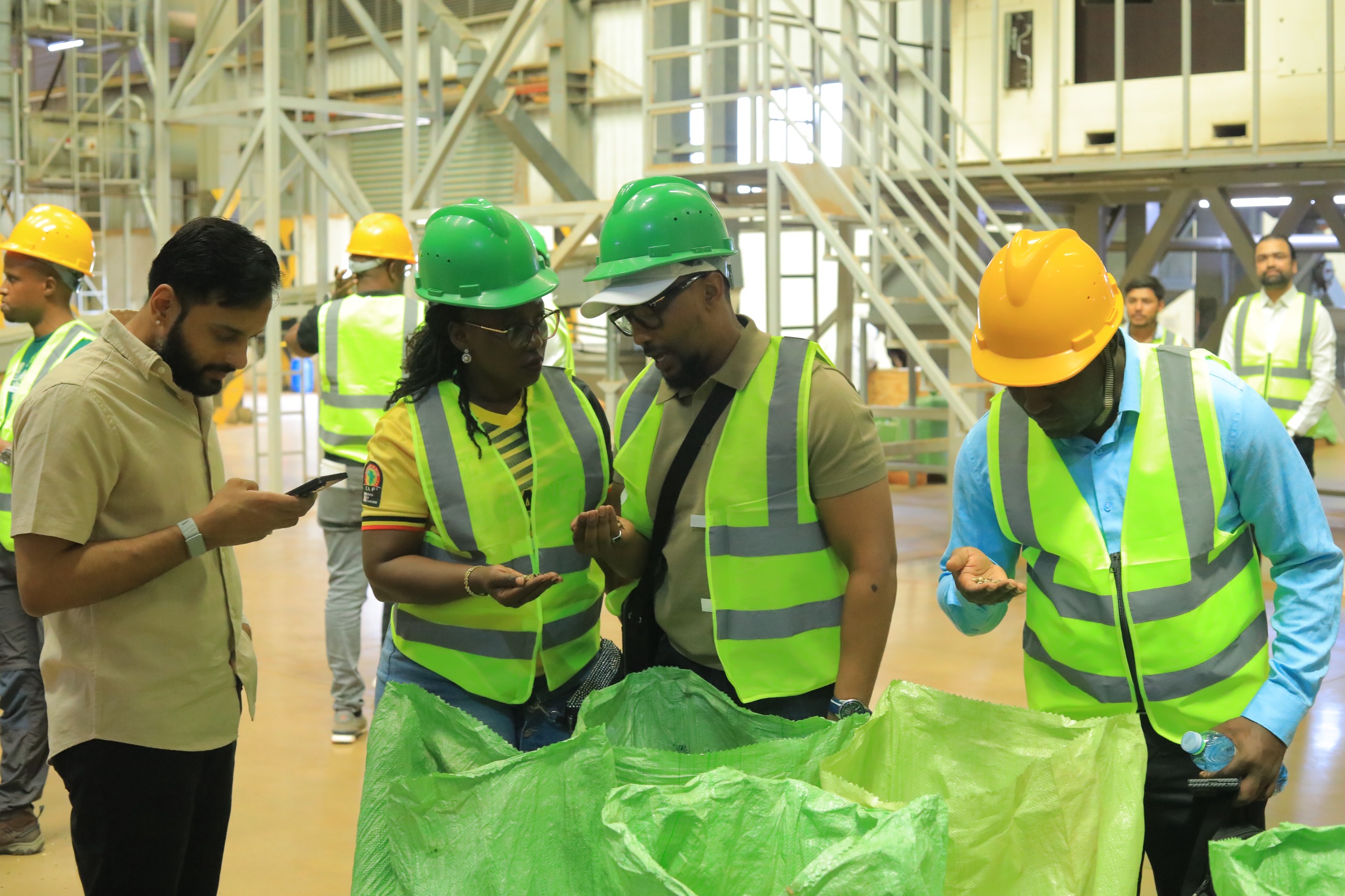
The day’s activities concluded at a demonstration farm in Sipi, on the slopes of Mount Elgon near the Kenyan border, an area renowned for its high-altitude arabica coffee.
The visit comes as Uganda seeks to diversify its coffee export destinations and reduce its reliance on traditional markets.
Europe remains the country’s biggest coffee buyer, accounting for 67 per cent of Uganda’s coffee exports in November 2025, while Asia took 14 per cent, according to Ministry of Agriculture figures.
However, the country is facing declining coffee export earnings following a record period supported by high international prices.
In the 12 months to August 2026, Uganda exported approximately 8.1 million bags of coffee worth $2.1 billion. Export volumes increased by 1.6 per cent, but earnings declined by 5.2 per cent compared with the previous year.
Bank of Uganda figures show that coffee generated $186.9 million from 735,435 bags of 60 kilogrammes in September.
Coffee remains central to the country’s export economy. Together with gold, it accounted for approximately 70.4 per cent of merchandise export earnings in the year to June 2026, leaving Uganda exposed to fluctuations in global commodity prices.
Beyond securing new buyers, the government wants to increase the amount of coffee processed within Uganda before it is exported.
According to the United States Department of Agriculture, more than 98 per cent of Uganda’s coffee exports are green coffee, which consists of unroasted beans that have been dried and hulled.
This means that much of the lucrative activity associated with roasting, grinding, packaging, branding and retailing takes place in importing countries rather than Uganda.
Agriculture State Minister Fred Bwino Kyakulaga said in March that the government was considering restrictions that could make exporting unprocessed coffee more difficult.
He illustrated the limited value Uganda retains from its coffee exports by saying the country sells only one cup out of every 140 cups generated from its coffee, with the remaining value captured elsewhere.
The government believes expanding local processing would increase export earnings, create employment and build technical expertise in the country’s coffee industry.
The Ministry of Foreign Affairs says the Southeast Asian delegation’s visit is therefore intended to attract not only coffee buyers but also partners in processing technology, skills development and investment.
The initiative is part of Uganda’s Economic and Commercial Diplomacy (ECD) strategy, which seeks to transform diplomatic missions into active drivers of exports, foreign investment and tourism.
Launched in Gulu in August 2025, the 2025/26–2029/30 strategy positions embassies and high commissions as frontline platforms for promoting Uganda’s commercial interests abroad.
The government has also linked funding for diplomatic missions to their ability to deliver measurable trade and investment results.
“Our task is to turn diplomatic presence into economic value,” Vincent Bagiire Waiswa, then Permanent Secretary at the Ministry of Foreign Affairs, said during a review of Uganda’s diplomatic missions earlier this year.
The ministry has organised similar visits for prospective buyers from other regions to connect international engagements with business opportunities.
In November, Ambassador Richard Kabonero, head of the ministry’s Economic and Commercial Diplomacy Department, said such engagements were intended to translate diplomatic relationships into tangible economic benefits.
Uganda’s engagement with Southeast Asian buyers also reflects growing interest in Vietnam, a major player in the global coffee industry.
Ugandan exports to Vietnam, mainly coffee, cotton and meat, reached $49.85 million in 2025, according to the figures provided by the government.
Uganda’s High Commissioner in Kuala Lumpur, Betty Bigombe, has identified Vietnam’s technical expertise and efficiency as important assets for potential cooperation.
Vietnam is the world’s largest exporter of robusta coffee, making it both a competitor and a potential partner for Uganda.
Its experience in coffee processing and value addition could provide opportunities for technology transfer, investment and skills development as Uganda seeks to strengthen its domestic processing capacity.
The delegation’s tour will continue through coffee-growing areas in Mbale, Sironko, Ankole and Kasese before concluding on December 1 with a meeting at the Ministry of Agriculture, Animal Industry and Fisheries.
Uganda hopes the engagements will open new commercial opportunities, strengthen access to Asian markets and attract partnerships that enable the country to earn more from its coffee beyond exporting raw beans.