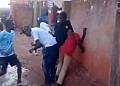







President Museveni has defended his recent decision to expel migrant cattle herders, commonly known as balaalo, from Northern, North-Western, and Eastern Uganda, citing the need to address escalating land conflicts, illegal grazing practices, and the misuse of public lands.
In a statement issued on Sunday, Museveni rejected accusations that his directives were rooted in tribal discrimination, stressing that the measures were aimed at tackling “illegal and irrational” actions among certain cattle keepers.
“The resentment from locals and my Executive Orders are not targeting the legal and rational actors. Both are directed at the illegal and irrational,” Museveni stated.
The President’s remarks come amid growing opposition to the eviction orders, which were first issued in May and reaffirmed in June 2025. The June 25 deadline for the removal of balaalo from Northern Uganda followed a previous order from May 19, which had been delayed due to an outbreak of Foot and Mouth Disease in several districts.
Despite a set deadline of June 4 for the herders to vacate with their livestock, no substantial progress was made by that date, drawing criticism from local leaders who accused the government of issuing ineffective Executive Orders and neglecting the concerns of the Acholi community.
Many of the balaalo, who have been settling in Northern Uganda for over a decade, initially sought grazing land in the region. While some legally acquired land, others did so through informal or fraudulent means, involving communal land agreements that lacked consent from local clans.
Local leaders, particularly from the Acholi sub-region, have expressed concern over what they describe as the “commodification of land,” warning that the influx of non-local herders is causing environmental damage, escalating land disputes, and threatening local livelihoods.
Museveni acknowledged these concerns, attributing some of the issues to free-grazing cattle damaging crops. He remarked, “Okwonesa cattle grazing on other people’s crops is not patriotism. Is that part of the freedom of movement of Ugandans within Uganda?”
The President also cited challenges faced by herders due to inadequate fencing and access to water, which forces them to move their cattle in search of resources, particularly during the dry season. He further criticized herders who block public access routes to resources, such as the Nile River, through careless fencing.
While Museveni emphasized that legal land ownership disputes should be resolved through the courts, he argued that this was not the primary issue at hand. “Whether you legally bought or rented the land, you have no right to let your livestock graze on other people’s crops, nor do you have the right to block access to public resources,” he stressed.
Additionally, the President raised alarms over certain balaalo invading government-run ranches and disrupting official cattle breeding programs, a situation that has led to local frustration. He questioned the adequacy of cattle movement permits (ebaruha y’okufuruka), which he said lacked proper checks on disease control, water access, and fencing.
In response to criticism from figures such as journalist Andrew Mwenda, who accused the government of pursuing a tribalistic agenda, Museveni defended his orders, highlighting that they did not target migrant populations who contribute positively to local communities. He cited the example of Adyeeri, a Munyoro woman who runs a successful fruit farm in Nwoya District, as a case of lawful and beneficial migration.
Museveni also addressed the failure of local justice systems in resolving grazing disputes, such as kutsibika (tying up offending animals until the owner pays a fine). He explained that certain balaalo, accompanied by armed relatives, have intimidated local residents, rendering traditional justice practices ineffective. “These simple justice practices cannot apply to such powerful people. That is why they need the Executive Order of the President of Uganda,” he said.