










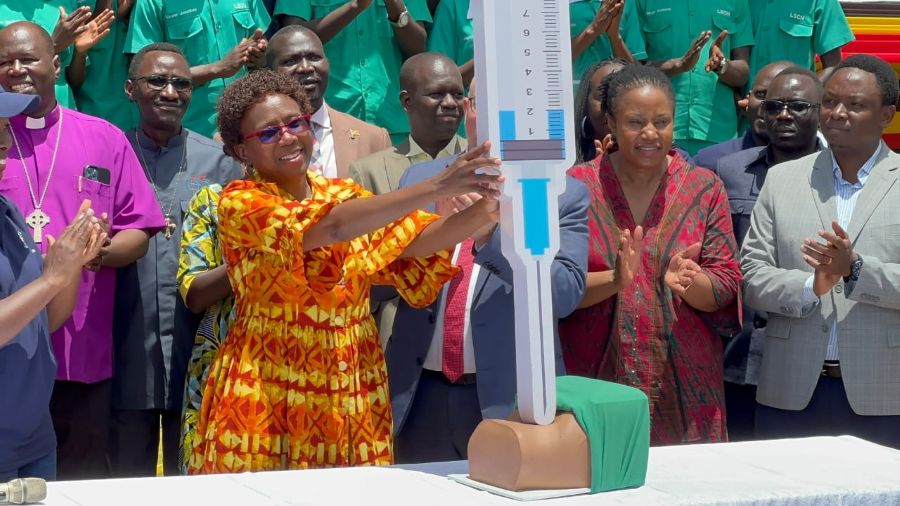
Uganda has rolled out a new HIV prevention approach with the introduction of Lenacapavir, a long-acting injectable drug given once every six months, in what officials describe as a major shift in how the country tackles new infections.
The launch took place on Friday at Lira Regional Referral Hospital, making Lira City the first area in Uganda to offer the new prevention option.
Unlike daily pills, Lenacapavir is administered twice a year and is being integrated into Uganda’s existing HIV prevention package, which includes condoms, voluntary medical male circumcision, and oral PrEP.
Health officials, however, stressed that the drug is strictly for prevention and not a cure or vaccine.
“Lenacapavir is an HIV prevention drug, not a vaccine. It prevents HIV but does not prevent pregnancy or other sexually transmitted infections,” the Ministry of Health noted.
The rollout comes as Uganda continues to record progress in its HIV response, with new infections dropping from about 96,000 in 2010 to an estimated 37,000 by the end of 2025. Despite this, officials say HIV remains a major public health challenge, particularly among young people and high-risk groups.
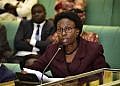
Speaking at the launch, Health Minister Dr. Jane Ruth Acheng said the innovation represents a turning point in prevention efforts.
“It is a long-acting injection, given only twice a year, making it easier for people to protect themselves from HIV infection without the burden of taking daily pills,” she said.
She added that the country still records about 100 new infections daily, with young people accounting for a significant share.
“We must be honest with ourselves: HIV is still with us. About 100 new individuals acquire HIV every day, of whom 33 are young people—mainly adolescent girls and young women,” she said.
Dr. Acheng urged continued use of existing prevention methods alongside the new drug.
“For our young people, abstain until you are ready for marriage. For those who are married, remain faithful to one partner. And for those who are sexually active, use a condom correctly and consistently,” she said.
She also emphasized the importance of HIV testing, warning that many people still do not know their status.
“As the Ministry, we know that there are still many people—over 150,000—living with HIV who do not know their status,” she said.
Dr. Acheng called on Lira residents to lead the national rollout.
“To the people of Lira City, I want to say this very clearly: this opportunity begins with you. Let us embrace it and show the rest of the country that Lango is ready to take charge of its health and its future,” she said.
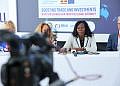
Development partners hailed the introduction of the drug as a breakthrough in HIV prevention innovation.
United States Deputy Chief of Mission Mikael Cleverley said the initiative reflects global scientific progress and collaboration.
“Lenacapavir is a groundbreaking innovation from an American company, and it demonstrates American excellence in science and leadership in HIV prevention,” he said.
He added that global partners aim to scale up access in high-burden countries.
“The United States and the Global Fund are committed to reach three million people in high-burden countries with Lenacapavir by 2028,” he said.
Health officials say the introduction of the six-month injection could improve adherence to prevention services, especially among young people and hard-to-reach populations, as Uganda intensifies efforts to end AIDS as a public health threat by 2030.
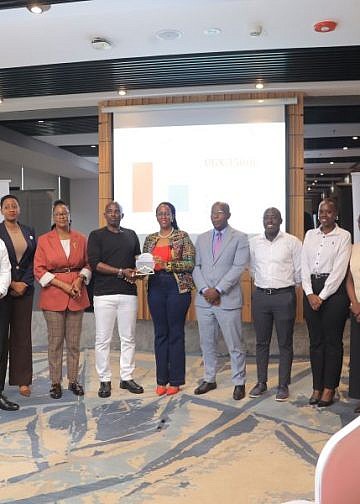
The launch was witnessed by US Embassy Deputy Head of Mission in Uganda Mikael Cleverly, Dr Richard Kabanda who represented the Director General of Health Services Prof Charles Olaro, Lira Regional Referral Hospital Director Dr Andrew Odur, Partners and Lira City leaders.