



Musicians, comedians and other content creators have been urged to stop using persons of short stature as objects of ridicule for entertainment and financial gain.
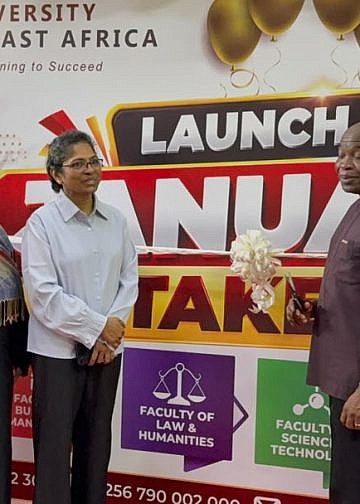
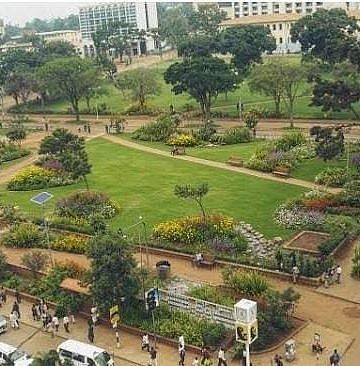
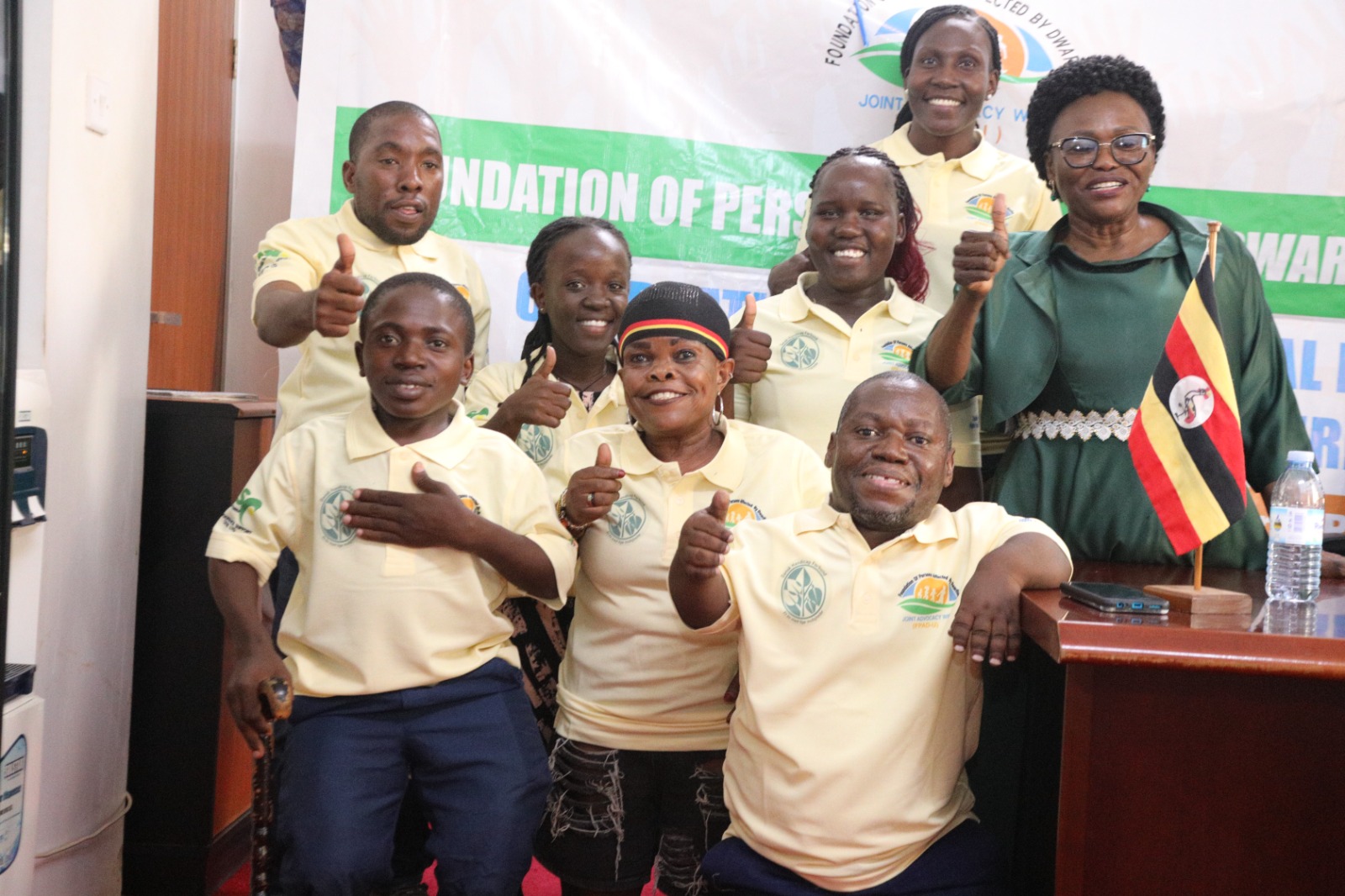
The call was made by the Foundation of Persons Affected by Dwarfism in Uganda ahead of the International Day of Little Persons, scheduled for Tuesday, October 27, 2026, at Kyambogo University.
The commemoration will be held under the theme, “Raising Awareness about Dwarfism and Promoting Inclusion of Persons of Short Stature in Uganda.”
Joel Kawanguzi, the foundation’s programmes officer, said some musicians and comedians continue to produce content that undermines the dignity of persons of short stature instead of promoting their inclusion and equal participation in society.
He cited music videos and comedy performances featuring persons of short stature, arguing that some artists include them primarily to attract public attention and generate revenue without ensuring they receive fair compensation.
“We need music that really can bring up people that can be there for a long time,” Kawanguzi said, calling for creative content that promotes dignity and positive representation.
He also urged the government to strengthen support for persons of short stature through research into dwarfism, targeted scholarships, vocational training and inclusive livelihood programmes.
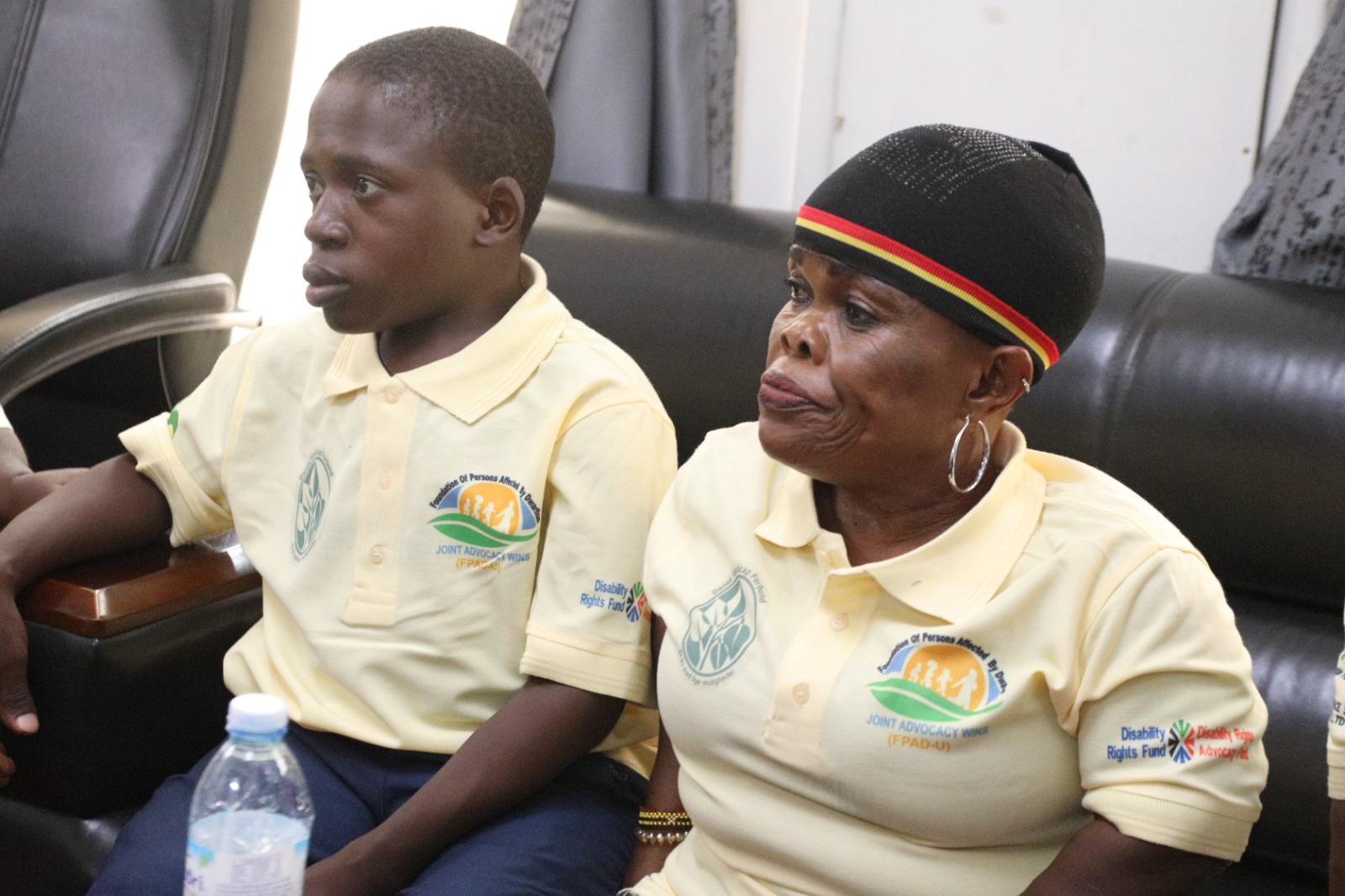
Kawanguzi said persons of short stature pay taxes and participate in national activities, including elections, and therefore deserve equal access to government programmes and services.
He further called for research to establish the causes and prevalence of dwarfism in Uganda, noting concerns within the community about the number of people affected.
Sarah Short, a musician and person of short stature, said some artists deliberately feature people of short stature in their videos because they attract attention and laughter.
“I see many artists use little persons in their videos not because they want to but because they need money. They accept to be used. But we don’t feel well,” Short said.
She explained that she sometimes declines bookings when she believes she will be presented merely as a source of amusement at the expense of her dignity.
“I don’t like being put down, so I refuse,” she said.
Short also appealed to parents to support children of short stature, noting that some experience stigma and bullying from teachers and fellow learners, which can negatively affect their education.
The concerns were echoed by Joyce Acan Okeny, the Minister of State for Disability Affairs at the Ministry of Gender, Labour and Social Development, who said persons of short stature should not be reduced to stereotypes or subjected to public ridicule.
“Persons of short stature pursue education, work, raise families, participate in public life and contribute to their communities,” Acan said.
She encouraged the public to use respectful language, including “persons of short stature”, “little persons” or “persons affected by dwarfism”, depending on individual preference.
Acan said the government had programmes designed to support persons with disabilities, including the National Special Grant, disability-inclusive allocations under the Parish Development Model, vocational training and start-up support for trained young people.
She also cited the National Child Disability Assistance Programme, which provides social care support, assistive devices and monthly grants to eligible families of children with severe disabilities who require permanent care.
However, the minister acknowledged that persons of short stature continue to face barriers in healthcare, education, employment, accessibility and economic participation.
She noted that some health facilities lack appropriate equipment, while schools and vocational institutions may not have facilities suited to learners of short stature.
“Schools and training institutions should provide reasonable accommodations, prevent and address bullying, and ensure admission and assessment procedures do not unfairly disadvantage learners with short limbs or other physical differences,” she said.
Acan also called for targeted scholarships and accessible vocational training opportunities to improve access to education and skills development.
On employment, she urged employers to assess applicants on the basis of their qualifications and experience while providing reasonable workplace accommodations where necessary.
She further called on content creators and media organisations to promote respectful representation and ensure that persons of short stature working in the creative industry receive fair compensation.
“Persons of short stature have the right to participate in the creative industries as artists, performers, writers and content creators,” Acan said.
She added that media productions and online content should not demean or discriminate against them.
The International Day of Little Persons will be commemorated nationally on Tuesday, October 27, 2026, at the Kyambogo University Auditorium.
The event is expected to bring together persons of short stature, government officials, civil society organisations, development partners, media practitioners and members of the public.
Planned activities include keynote speeches, cultural performances, educational sessions on dwarfism and the rights of persons of short stature, panel discussions, success stories, peer-support activities, arts and cultural exhibitions, media engagements and the launch of an informational booklet on dwarfism.
Joel Musana, executive director of the Foundation of Persons Affected by Dwarfism, called on Ugandans to attend the event and learn more about the challenges faced by persons of short stature and their contributions to society.
Organisers said the commemoration was intended not only to celebrate persons of short stature but also to challenge misconceptions, raise awareness and promote practical action towards greater inclusion.
Kawanguzi said persons of short stature wanted to be recognised for their contributions to Uganda’s development rather than treated as objects of amusement.
The organisers are calling for greater inclusion in education, healthcare, employment, economic empowerment programmes, public infrastructure, creative industries and decision-making processes.
Acan urged the public to use the commemoration to promote accurate information, dignity and respect for persons of short stature.
“Awareness must lead to action, accessible services, equal opportunities, respectful treatment and the meaningful participation of persons of short stature,” she said.