





Human rights advocates and youth leaders have called on political actors to take full responsibility for promoting peace and preventing violence ahead of Uganda’s 2026 general elections, warning that the country cannot afford another cycle of electoral conflict and torture.
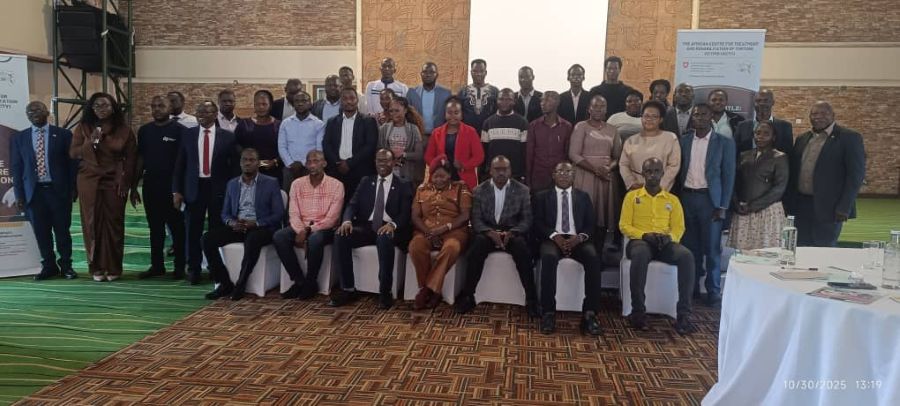
Speaking during the National Youth Dialogue on Violence- and Torture-Free Elections held at Golf Course Hotel in Kampala, participants emphasized the need for peaceful rhetoric, balanced media coverage, and youth empowerment as central pillars of a credible and non-violent election.
The dialogue was organized by the African Centre for Treatment and Rehabilitation of Torture Victims (ACTV) and brought together representatives from the Electoral Commission, Uganda Human Rights Commission, Uganda Prisons Service, political parties, youth leaders, and survivors of electoral violence.
Samuel Herbert Nsubuga, Chief Executive Officer of ACTV, urged politicians—especially candidates—to lead by example and ensure peace before, during, and after the elections.
“Candidates should be at the front line of promoting peace. When they speak, their supporters act. They must ensure a violence-free environment,” Nsubuga said.
He highlighted the crucial role of Uganda’s youthful population in shaping the country’s democratic future.
“Uganda has had a history of violent elections since 2001. With about 77% of the population aged between 18 and 35, young people have the largest stake in ensuring a peaceful election,” he added.
Nsubuga also warned against misinformation and hate speech in the media and reminded security agencies of their individual accountability under Uganda’s Anti-Torture Act.
“A wrong election result broadcast can spark violence. We remind security agencies that they are personally liable for rights violations. Everyone has a duty to remain calm,” he stated.
Lawrence Bogere, a representative of the National Youth Council, called for equal media access for all political candidates and deliberate peace messaging to prevent youth manipulation during the election period.
“Media houses should promote peaceful messages to unite the public during elections. Balanced coverage ensures that every candidate is heard. When you deny some media access, you deny citizens information,” Bogere said.
He urged the Electoral Commission to train candidates on election conduct and called on government to invest in youth livelihoods as a preventive measure against electoral violence.
“When youth have businesses and support, they will not be drawn into violence,” he said. “Government should also fund youth programmes and improve salaries for security officers to ensure professionalism.”
Bogere further appealed for unity and discipline among young people.
“Unity is our weapon. Youth must not fight security officers—they are doing their job. Stay peaceful and do what is right at all times,” he urged.
The Kampala dialogue followed earlier regional engagements held in Masaka, Jinja, and Gulu, where youth leaders signed peace commitment forms pledging to promote non-violence in the upcoming 2026 elections.
As Uganda inches closer to the polls, participants called on political parties, security agencies, and the media to exercise restraint, avoid inflammatory communication, and support a peaceful and rights-respecting electoral process.