






Uganda is turning to cycling to showcase the cultural, natural and tourism potential of the West Nile region, with the inaugural Race the Nile expected to take cyclists through all 13 districts of the region.
The 800-kilometre self-supported gravel cycling race will start and finish in Arua City, offering participants an opportunity to experience West Nile’s landscapes, wildlife, cultural heritage, food traditions and local communities.
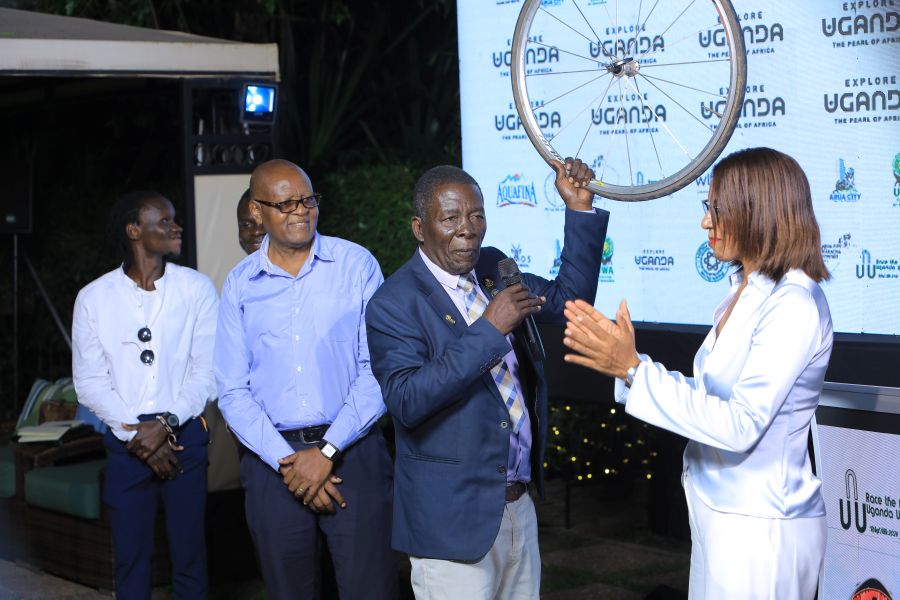
Senior Presidential Advisor on Tourism, Lilly Ajarova who is one of the organisers said the race is designed not only as a sporting competition but also as a platform to introduce West Nile to travellers who may know little about the region.
“West Nile is Uganda’s raw, undiscovered frontier, a region most travellers do not know about. Not even Ugandans,” Ajarova said.
She described the region as one of Uganda’s best-kept tourism secrets, with its diversity of cultures, communities and natural attractions providing an opportunity to develop new and authentic tourism experiences.
“West Nile is often overlooked as a tourist destination, but it offers a unique and authentic Ugandan experience,” she said.
The race will cover about 800 kilometres and is expected to take five days. However, because it is a competition, individual cyclists will determine how they manage the demanding route, with some potentially covering more than 200 kilometres a day.
Organisers have already mapped the route and conducted assessments with experienced cyclists. They have also gathered information on accommodation, towns, trading centres and villages along the course to help participants plan their journeys.
Ajarova said the self-supported nature of Race the Nile has been deliberately designed to ensure that communities along the route benefit from the event.
Unlike conventional races where organisers provide extensive support, participants will be expected to obtain food, supplies and other services from communities along the route.
A cyclist could, for example, stop to buy food from a local trader or seek assistance from a village mechanic if their bicycle develops a mechanical problem.
Organisers will not provide dedicated technical teams to repair bicycles. Instead, riders will be expected to use local services when they require repairs, in line with the rules governing the event.
Ajarova said the approach could create opportunities for women, youth and other local entrepreneurs while encouraging visitors to interact directly with communities.
“If we are talking about sustainable tourism, inclusive tourism, this is what it is in practice,” she said.
She said the race is intended to help establish West Nile as a community tourism destination while creating greater exposure for the region’s people, culture and natural heritage.
Ajarova said Race the Nile could help unlock the region’s wider economic potential by attracting visitors, encouraging investment and increasing demand for local goods and services.
“It should propel investment, it should propel more trade in the West Nile region,” she said.
The event is also expected to contribute to Uganda’s growing sports tourism offering by combining endurance cycling with cultural and adventure experiences.
Ajarova said organisers are working with government institutions, including the Uganda Tourism Board and Uganda Wildlife Authority, to develop West Nile as a tourism destination.
She said the event could provide an additional way of drawing international visitors to Uganda while showcasing a region that remains relatively unexplored by tourists.
“This is the first of its kind that is happening in Uganda,” Ajarova said.
The race is scheduled for November, a period selected after consultations with international cyclists and consideration of the global cycling calendar.
Ajarova said the organisers also considered established cycling events in the region, including Rwanda’s long-running cycling competition held in February.
For West Nile, Race the Nile is therefore more than an endurance challenge. It is an attempt to turn the region’s lesser-known landscapes, cultures and communities into a compelling tourism experience—and to reveal what Ajarova calls Uganda’s “best-kept secrets” to the rest of the world.