











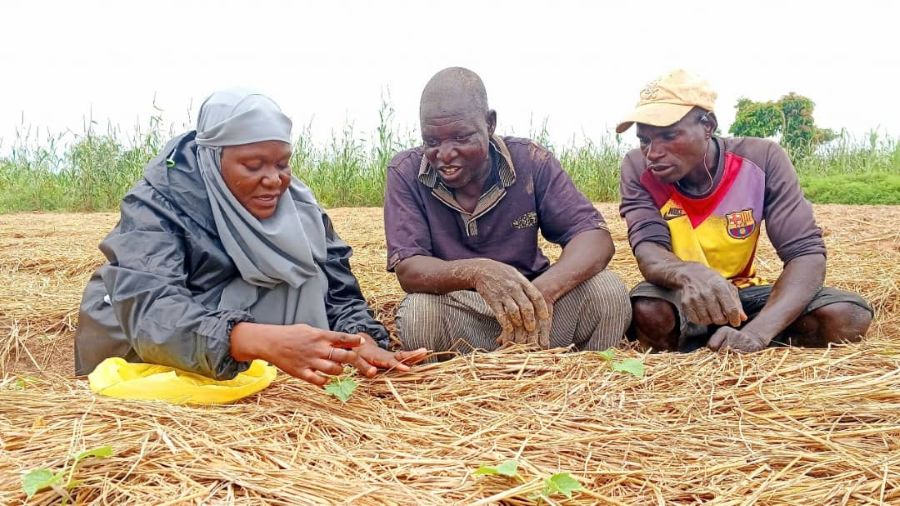
Smallholder farmers in the Sahel and West Africa are set to benefit from a new wave of climate-smart vegetable seeds, designed to withstand erratic weather, protect yields, and enhance nutrition.
East-West Seed, a global leader in vegetable seeds, is spearheading this initiative.
With 22 Research and Development centers across nine countries, including Benin and Tanzania, the company is tailoring vegetable varieties to Africa’s diverse climates and agroecological zones.
In Uganda, Simon Groot, East-West Seed’s founder and 2019 World Food Prize winner, has invested more than US$250,000 of his prize money into growing the pumpkin sector, underscoring the company’s long-term commitment to East Africa.
Through its non-profit arm, the East-West Seed Knowledge Transfer Foundation (EWS-KT), the company also equips farmers with practical skills in good agricultural practices, market access, and agribusiness management.
EWS-KT is active in Nigeria, Ghana, Uganda, Tanzania, and South Sudan, supporting thousands of smallholders every year. More than half of its funding comes from external partners, allowing the foundation to scale its work across the continent.
East-West Seed’s new climate-resilient hybrids—tomato, okra, and amaranth—are bred for short growing cycles, heat tolerance, and disease resistance.
These varieties offer farmers, including a rising number of young agricultural entrepreneurs, a better chance at reliable harvests and reduced losses despite challenging weather conditions.
“Vegetables are a fast track to better nutrition, incomes, and climate resilience,” said Pamela Afokpe, East-West Seed spokesperson based in Benin.
“When farmers have access to seeds that mature quickly, withstand heat, and resist disease, they can plan with confidence and invest in the future of their farms and families.”
Beyond mainstream vegetables, East-West Seed is investing in lesser-known but high-potential crops. In Benin, breeders are advancing Gboma, an African leafy vegetable celebrated for its resilience and nutritional value.
Across East and West Africa, pumpkin—a nutrient-dense crop tolerant to dry conditions—is being promoted as a commercially viable option.
Smallholders in Northern Ghana, Northern Nigeria, and other dryland areas face increasingly unpredictable rainfall and poor harvests.
East-West Seed’s hybrid varieties, paired with farmer education programs, are helping these communities bolster food security and adapt to the mounting impacts of climate change.
With more than 650 varieties across 80 crops and decades of breeding experience in tropical conditions, East-West Seed continues to align its work with Africa’s growing demand for climate-resilient agriculture.
Employing over 2,800 people, the company has been ranked number one in the Access to Seeds Index and listed twice on the Fortune Change the World list (2020 and 2024). Its foundation has trained nearly 1 million farmers across Africa and Asia.