










The Uganda Communications Commission (UCC) has announced a crackdown on illegal Wi-Fi hotspot operators.
The communication regulator warned that unlicensed providers risk having their services shut down as the regulator intensifies efforts to enforce telecommunications laws.
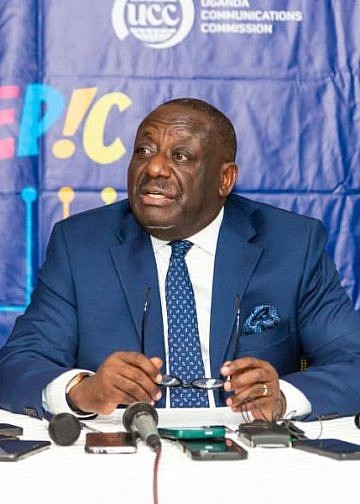
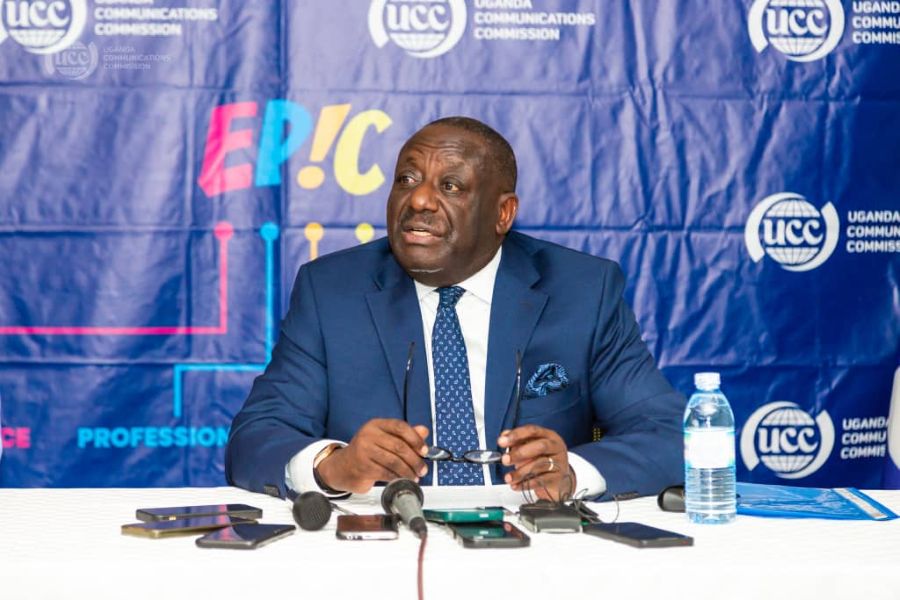
UCC Executive Director Nyombi Thembo said the commission had identified operators providing internet services without the required licences, raising concerns about tax compliance, consumer protection, network security and fair competition in the telecommunications sector.
Speaking during a press briefing, Thembo said the commission had engaged the affected operators, including suspending enforcement activities for about three months to study the situation and understand their operations before proceeding with regulatory action.
He said the commission had held several meetings with the operators, including a third consecutive engagement held on Monday, but maintained that internet services must be provided in compliance with the law.
Thembo argued that the low prices offered by unlicensed hotspot operators could be misleading because the providers allegedly avoid taxes, regulatory fees and other obligations required of licensed telecommunications companies.
“What’s the point of charging one thousand when you’re not paying your tax? You’re not investing in all the different regulatory requirements, KYC and all of that and you claim to be an operator,” Thembo said.
He maintained that the commission supports affordable internet services but insisted that operators must meet the same regulatory requirements to ensure fair competition and sustainable investment in the sector.
According to Thembo, the reference price of Shs2,000 emerged from a market assessment conducted in January 2026 involving mobile network operators and fixed internet service providers.
He said the assessment established a minimum reference price for internet services, while allowing room for gradual price reductions as operators attract more customers and benefit from economies of scale.
He added that the commission wanted internet prices to continue falling but argued that such reductions should not come at the expense of tax compliance, network investment and consumer protection.
The UCC executive director also warned internet service providers against encouraging or supporting illegal hotspot operations to attract customers, saying such conduct could attract serious regulatory sanctions.
He said the commission had written to question some internet service providers over concerns that they could be promoting illegal operations to gain a competitive advantage.
Thembo further said Uganda was engaging with regulators in Kenya and other countries that had faced similar challenges involving unlicensed internet distribution. He noted that authorities were also considering measures to address the misuse of fixed internet services, including possible restrictions on usage volumes.
The commission is working with the Uganda Revenue Authority (URA) on restrictions relating to the importation of equipment used in such operations, according to the remarks made during the briefing.
UCC officials also outlined the existing licensing framework, saying the annual fee for a public service provider licence covering Kampala and the central region is US$30,000, while licences for other regions cost US$3,000 annually. The framework, they said, is intended to enable operators to provide services legally across different parts of the country.
Representatives of licensed telecommunications operators defended their service offerings during the briefing, saying they continued to invest in network capacity, quality assurance and more affordable data packages.
MTN Uganda Chief Executive Officer Sylvia Mulinge said mobile networks and fixed Wi-Fi services use different technologies, with fibre-based connections often providing more consistent speeds in homes and businesses.
She noted that the company conducts regular network quality audits and has introduced weekly and monthly bundles offering an effective rate of Shs1,000 per gigabyte.
The company also said its current mobile network capacity utilisation was below 50 per cent, indicating room to accommodate more customers.
Meanwhile, a representative of the telecommunications industry called for continued engagement between operators and the regulator to expand access to affordable internet services in a sustainable manner.
The UCC Executive Director urged consumers to avoid purchasing internet access from illegal hotspots, warning that the services could be disconnected without notice, leaving users unable to recover the money they had paid.
He said unlicensed operators could also expose consumers to risks involving personal data, network security and the lack of formal complaint-handling mechanisms.
“Lower prices that support the treasury. Lower prices that support quality of service. Lower prices that support investment in the sector,” Thembo said, outlining the commission’s position on affordable and sustainable internet access.
The crackdown comes amid growing demand for affordable internet services as more Ugandans rely on digital connectivity for business, education and communication.
UCC’s enforcement measures are likely to raise questions about how to balance compliance with licensing requirements against the need to expand affordable internet access, particularly among low-income consumers.
UCC says its objective is to ensure that internet services are provided by licensed operators who meet the required tax, security and consumer protection obligations while maintaining competition and encouraging lower prices.