











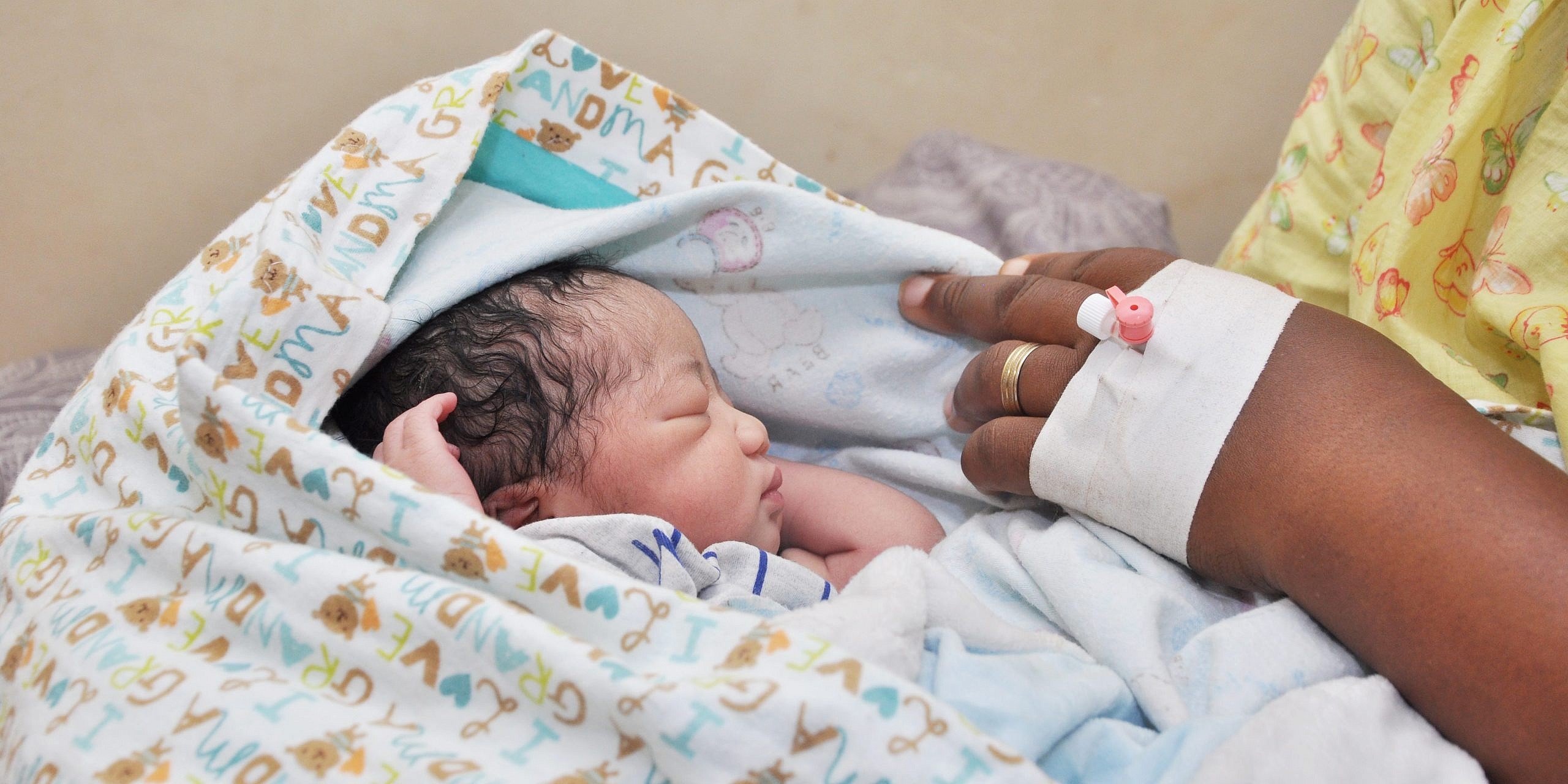
Uganda’s health sector is under growing pressure after officials revealed that the country recorded about 2 million babies born in 2025, up from an estimated 1.72 million births in 2024, raising fresh concerns about the strain on hospitals and health workers.
The Permanent Secretary, Ministry of Health, Dr. Diana Atwine, told Parliament’s Public Accounts Committee (PAC) that the real number of births could be even higher if deaths were not factored in.
Speaking before MPs during scrutiny of the December 2025 Auditor General’s report, Atwine said the rapid population growth is not being matched with improvements in health services.
“We are seeing more and more numbers of patients now coming that before used to be in the private sector the population that is accessing the government facilities has increased significantly, that has also contributed to the congestion,” she said.
Atwine explained that more Ugandans are now turning to government hospitals instead of private facilities, increasing pressure on already crowded wards.
“We have met religious leaders who are in charge of these private not-for-profits they have complained that some of their patients are leaving their facilities and they are coming to our facilities,” she added.
The Ministry of Health admitted that staffing shortages remain severe, with some regional referral hospitals operating at as low as 28% staffing levels.
Atwine said government has received some additional wage funding to improve the situation, though it remains insufficient.
“We have been given some money, although not enough to hire up to at least 50%, but we believe that we will be able to come from 28, 30% staffing, possibly to maybe 35 or 38%,” she said.
Members of Parliament raised concern that under-staffing is worsening congestion in hospitals.
Kassanda North MP Patrick Nsamba said the situation is pushing patients into referral hospitals even when their conditions could be treated at lower-level facilities.
“Most of the cases could be handled at lower level facilities, had they been adequately staffed,” he noted.
Tororo Woman MP Sarah Opendi questioned why regional referral hospitals remain weak despite their role in reducing pressure on national hospitals.
“The regional referral hospitals… have appalling staffing levels, 24%, 25%, 28%. Can we realise the original objective of creating these regional referral hospitals?” she asked.
Atwine further warned that the shortage of specialists is affecting the training of medical interns and overall service delivery.
“Even when we advertise, we can’t attract [specialists] because they are not there we need to train specialists,” she said.
She added that without specialists, interns are not properly trained, which affects the quality of healthcare delivery across the country.
The Ministry of Health says it is hoping that new wage funding will help improve staffing levels, but officials admit the system remains far below what is needed to match Uganda’s rapidly growing population.