









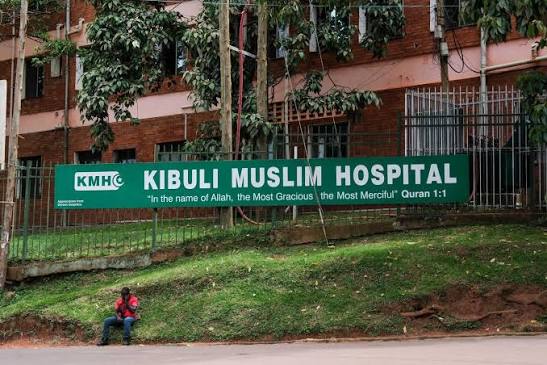
The High Court in Kampala has ordered Kibuli Muslim Hospital and one of its doctors to compensate a mother with more than Shs147 million after finding that negligent medical care materially contributed to the death of her newborn son.
In a judgment delivered on July 15, 2026, judge Bonny Isaac Teko held that Kibuli Muslim Hospital and Dr. Aturwanaho Dickens breached the duty of care owed to Baby Jibreal Jumah Sewankambo, whose condition deteriorated before he died four days after birth in October 2018.
The court awarded the child’s mother, Kyofuna Jaridah, Shs17.4 million in special damages, Shs100 million in general damages, and Shs30 million for loss of expectation of life, bringing the total compensation to Shs147.4 million, excluding interest and legal costs.
Judge Teko found that although the exact medical cause of the baby’s death could not be conclusively established because no post-mortem examination was conducted, the cumulative failures by the hospital’s medical staff materially contributed to the infant’s death.
“The evidence establishes an unexplained delay of some eight hours between the onset of the baby’s respiratory distress and his first meaningful medical review, a delay the Council itself regarded as unacceptable in a critically ill newborn, and for which the defence offered no satisfactory explanation,” the judge ruled.
He added that in neonatal medicine, a patient’s condition can deteriorate within minutes, making the delay “a serious departure from accepted practice.”
The judge also faulted the hospital for failing to ensure that a consultant neonatologist physically examined the baby despite his worsening condition.
“A critically ill neonate exhibiting progressive respiratory compromise required bedside assessment by the most experienced clinician reasonably available. Telephone consultation, while occasionally unavoidable, cannot ordinarily substitute for direct clinical review where a patient is rapidly deteriorating,” the judge said.
The court further found that several critical medical investigations expected in the management of a severely ill newborn—including oxygen saturation monitoring, clotting studies, brain imaging, blood chemistry tests, and screening for infection and bleeding disorders—were either omitted or inadequately documented.
Judge Teko also identified serious shortcomings in the emergency blood transfusion performed after compatible donor blood could not be obtained.
According to the judgment, the procedure lacked documented blood compatibility testing, proper transfusion equipment, clear evidence of informed consent, adequate documentation of infection screening, and was carried out by a nurse whose training and supervision were found to be inadequate.
While acknowledging that the emergency transfusion was intended to save the baby’s life, the court ruled that the manner in which it was conducted fell below acceptable professional standards.
“The transfusion procedure, viewed as a whole, departed materially from accepted professional standards,” Judge Teko held.
In reaching his decision, the judge relied heavily on findings by the Uganda Medical and Dental Practitioners Council, which had investigated the matter on the court’s instructions and identified several institutional failures in the baby’s medical management.
Although the Council found no evidence that the transfusion itself directly caused the baby’s death, the court concluded that the overall negligent management significantly reduced the chances of diagnosing and treating the child’s deteriorating condition.
“I am satisfied that the defendants’ cumulative failures materially contributed to the fatal deterioration of the deceased child,” he ruled.
The court held Kibuli Muslim Hospital vicariously liable for the actions of its medical staff, including Dr. Aturwanaho Dickens and the nursing personnel involved in the child’s treatment.
However, Justice Teko declined to award exemplary or punitive damages, noting that although the medical personnel acted negligently, they were attempting to save the child’s life.
“The evidence… shows that the medical personnel were attempting, albeit negligently, to save his life. This is not an appropriate case for exemplary damages,” he said.
The court ordered the defendants to pay 8% annual interest on the special damages from the date the suit was filed until payment in full, and 6% annual interest on the general damages from the date of judgment until full settlement. The plaintiff was also awarded the costs of the suit.