











Government has announced new taxes on cigarettes and beer in the forthcoming financial year, a move aimed at boosting domestic revenue and discouraging harmful consumption.
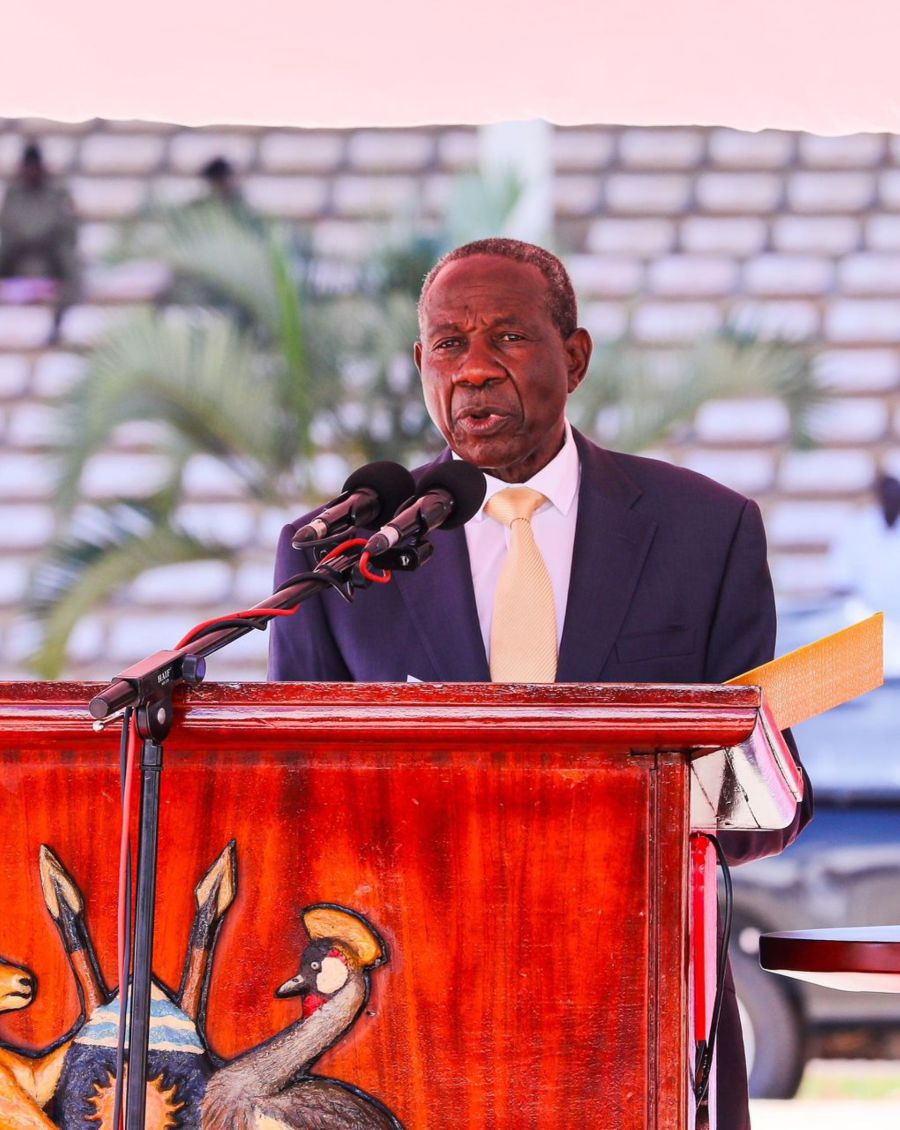
The new tax measures were unveiled by Finance Minister Matia Kasaija during the reading of the 2025/26 National Budget to Parliament on Thursday at Kololo Independence grounds.
Leading the pack of new fiscal policies is a significant hike in excise duties on tobacco products.
Soft cap cigarettes will now be taxed at Shs 65,000 per 1,000 sticks, up from Shs 55,000. Hinge lid cigarettes will attract Shs 90,000 per 1,000 sticks, rising from the previous Shs 80,000.
Even steeper increases are being imposed on imported cigarettes from outside the East African Community (EAC).
Taxes on soft cap cigarettes from non-EAC countries have doubled, jumping from Shs 75,000 to Shs 150,000 per 1,000 sticks. Hinge lid variants from the same markets will now cost Shs 200,000 per 1,000 sticks, up from Shs 100,000.
The Finance Ministry says these measures are part of a broader strategy to reduce tobacco consumption and increase public health protections, while also generating additional revenue for government programs.
Beer lovers will also feel the impact of the new tax regime as locally brewed beer made from at least 75 percent domestic raw materials (excluding water) will now attract an excise duty of 30 percent or Shs 900 per litre whichever is higher. This is a steep rise from the previous Shs 650 per litre.
However, in a move to promote local agriculture and industry, beer brewed using barley grown and malted in Uganda will be exempt from excise duty entirely. This tax was removed after being deemed redundant.
The finance minister also tackled concerns around the controversial Electronic Fiscal Receipting and Invoicing System (EFRIS). Previously, failure to comply with EFRIS would result in a harsh flat penalty of Shs 6 million per invoice.
Under the new guidelines, penalties will now be calculated as double the tax owed.
“I urge taxpayers to embrace the EFRIS system as it reduces lengthy and burdensome interactions with URA staff, audits, and penalties, while also fostering transparency and leveling the playing field,” Kasaija said.
Other notable tax changes include the introduction of a 1 percent Import Declaration Fee on all taxable imports under the Common External Tariff, bringing Uganda in line with other EAC countries like Kenya, which charges 2 percent on the CIF value of imports.
In the agriculture sector, an export levy of USD 10 per metric ton will be applied to wheat bran, cotton cake, and maize bran products often exported in raw form and later re-imported as finished goods. The aim is to encourage local value addition and job creation.
There’s some relief for textile importers. Starting July 1, 2025, duties on imported fabrics will be reduced to USD 2 per kilogram or 35 percent whichever is higher down from USD 3. Garments will also see a cut from USD 3.5 to USD 2.5 per kilogram or 35 percent.
Uganda’s public debt is projected to hit USD 31.5 billion (Shs 116 trillion) by the end of June 2025, accounting for 51.26 percent of GDP. Of this, USD 15.49 billion is external debt, while domestic borrowing stands at USD 16 billion.
Despite the growing debt figures, Kasaija reassured the nation that the situation remains manageable and sustainable. He emphasized that the borrowed funds have been directed toward critical infrastructure projects in transport (29.3%), electricity (27.6%), and water supply (11.5%).
To keep the debt trajectory in check, the government is doubling down on domestic revenue mobilization, seeking concessional funding from development partners, and tightening fiscal discipline through efforts like the ‘Okusevinga’ programme.