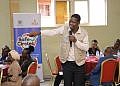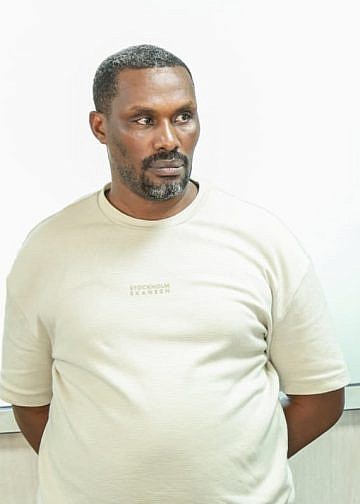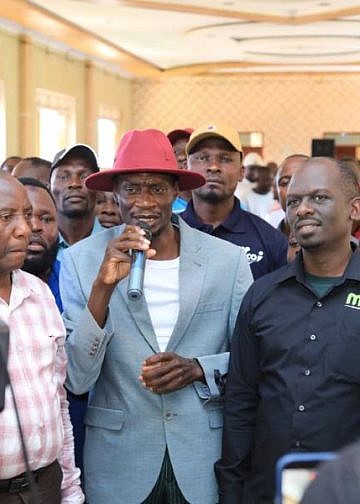






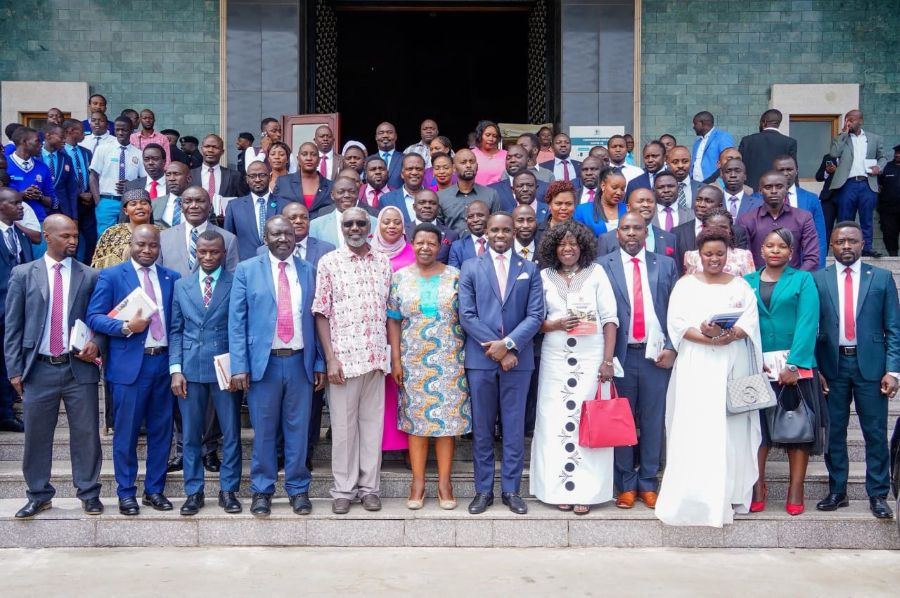
The Leader of Opposition, Joel Ssenyonyi, together with civil society actors, has warned that the proposed Sovereignty Bill could isolate Uganda from the international community and negatively impact investment, innovation, and economic stability.
The concerns were raised during the unveiling of the 2026/27 Alternative Budget Priorities at Parliament.
Ssenyonyi cautioned that Uganda’s progress depends heavily on global and regional cooperation.
“We must also recognise that Uganda does not exist in isolation. Our economy, our security, and our development are deeply connected to regional and global systems,” he said.
“A law that appears to withdraw Uganda from these frameworks or to disregard international obligations risks isolating the country, discouraging investment, and undermining economic stability.”
He stressed that sovereignty should not be misused to avoid accountability.
“Sovereignty should not be used to shield inefficiency, or suppress dissent, or avoid scrutiny. It should be a foundation for responsible governance and inclusive development,” Ssenyonyi noted.
“We therefore call upon Parliament and the country at large to subject this bill to thorough scrutiny. Laws that are not consistent with the Constitution should never see the light of day.”
Ssenyonyi further warned that the bill could weaken democratic institutions if not properly handled.
“There is growing concern that this proposed legislation may be used not as a shield to protect national interests, but as a tool to insulate government actions from scrutiny,” he said.
“If framed improperly, such a law risks weakening constitutional safeguards, limiting civic space, and undermining the very institutions we seek to strengthen.”
Meanwhile, Julius Mukunda, Executive Director of the Civil Society Budget Advocacy Group (CSBAG), warned of serious economic consequences if the bill is passed.
“The external financing and grants are around shs 8 trillion to shs10 trillion annually,” Mukunda said.
“When this bill comes in, we are seeing restrictions reducing inflows by 20 to 30%. Some investors will say, ‘let us wait and see what is happening.’”
He added that foreign direct investment has been key to stabilising Uganda’s currency.
“Our shilling has been strong because of these foreign direct inflows, not because we export so much, but because of these inflows,” he explained.
Veteran human rights activist Maria Matembe called for public resistance against the bill, warning it would harm ordinary Ugandans.
“I want to make an appeal to Ugandans from everywhere this time to get out and demonstrate as a nation against this law,” Matembe said.
Matembe added that if passed the bill will cause misery to Ugandans.
“This bill is going to cause chaos and sadness and total misery to Ugandans wherever they are. And therefore, it must be rejected in the strongest terms.”
She argued that the legislation could affect vulnerable citizens, including families relying on income from relatives abroad.
She explained that the bill would affect poor families whose children live and work abroad but send money back home, as the proposed law could classify those children as foreigners.
“This bill is catching the poor women in the village whose children are working abroad and sending money back home. And then you call them foreigners… this will only bring suffering,” she said.
The leaders have now called for wider public debate and careful scrutiny of the Sovereignty Bill before any decision is made.